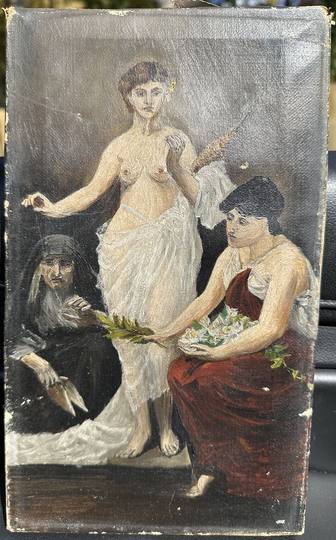
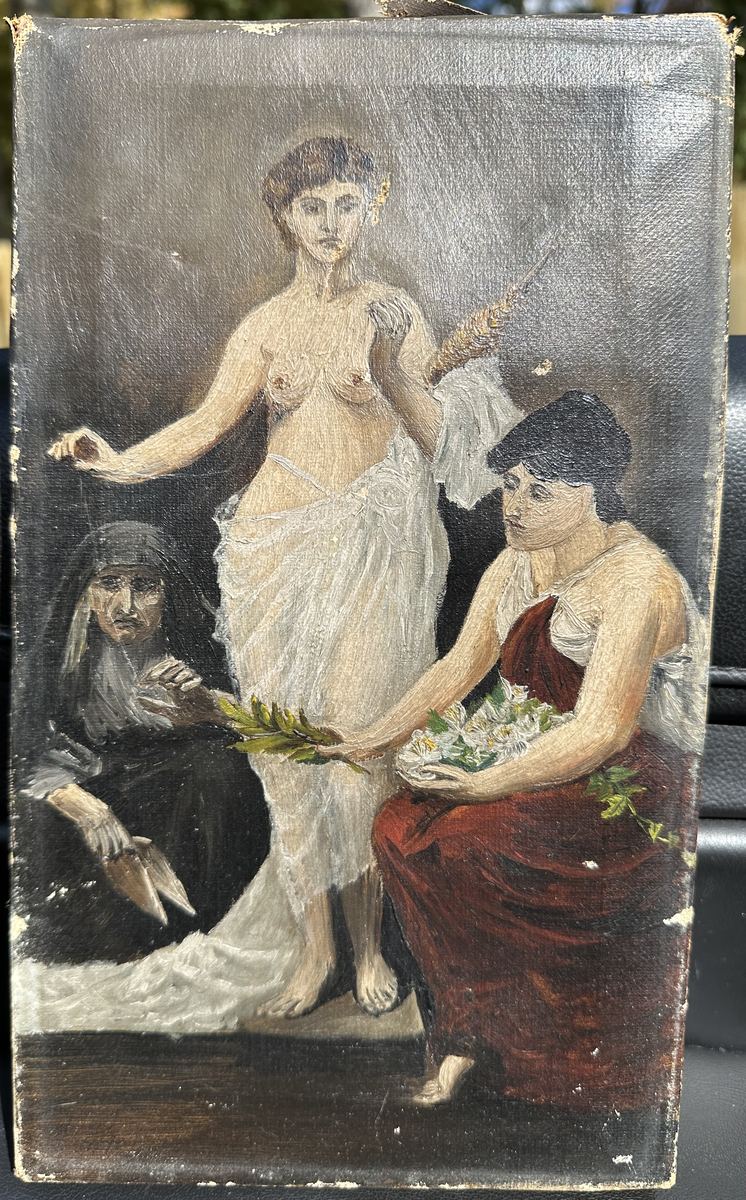
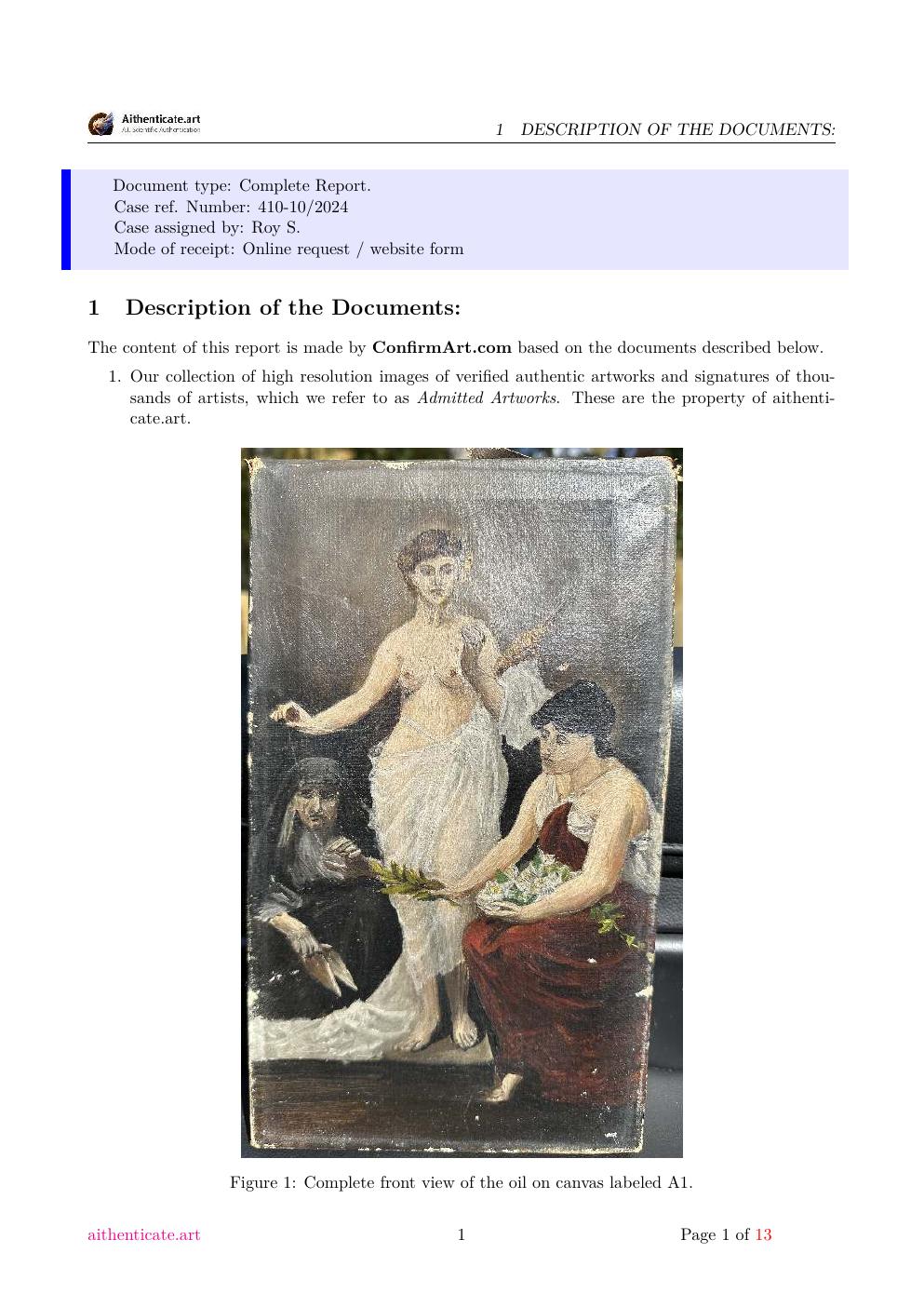
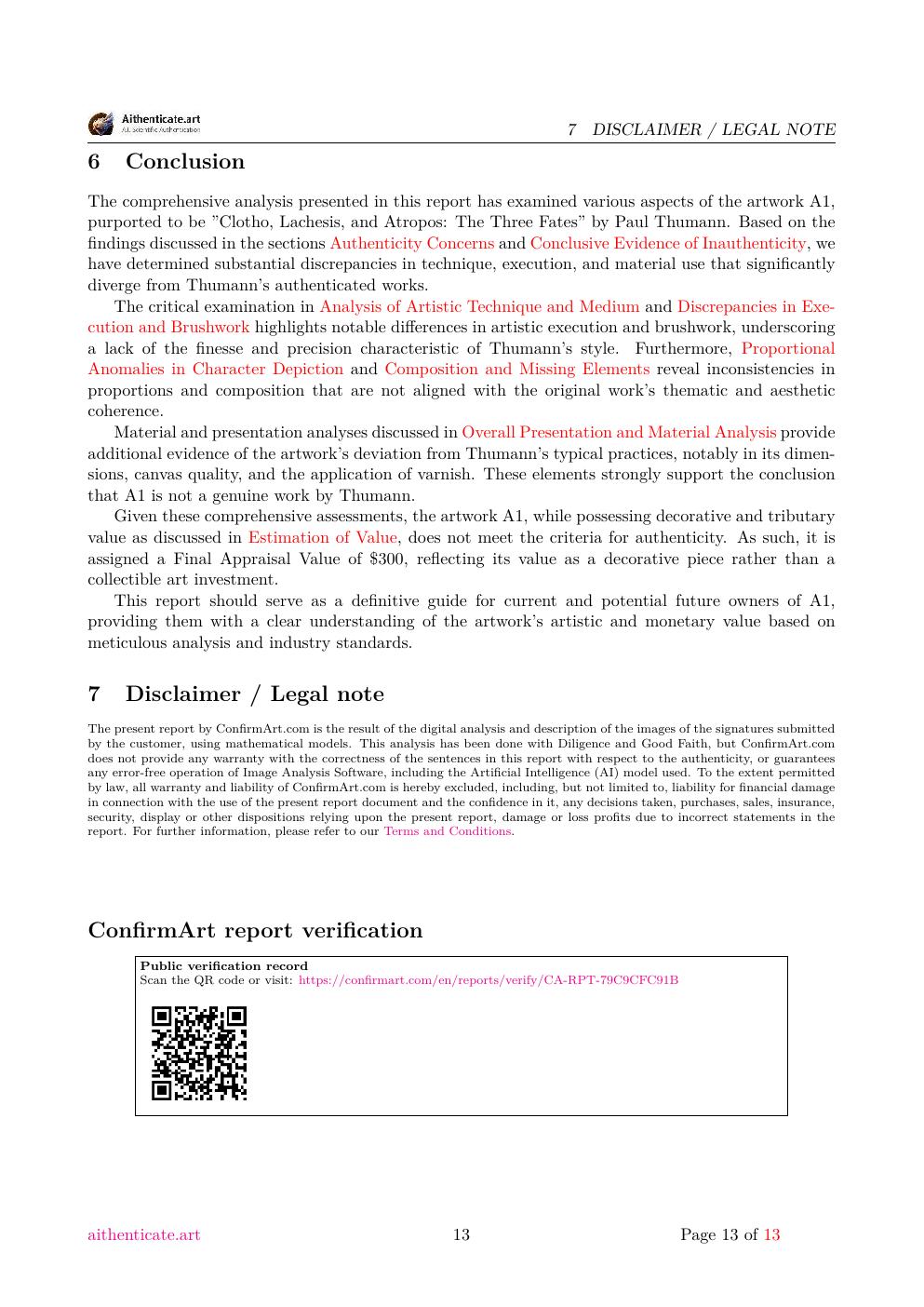
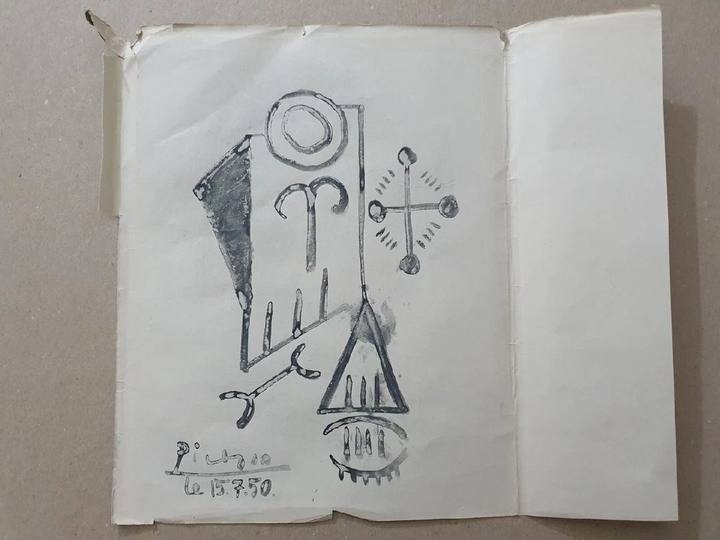
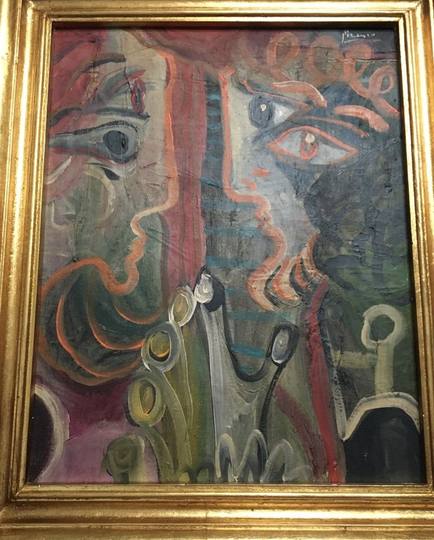
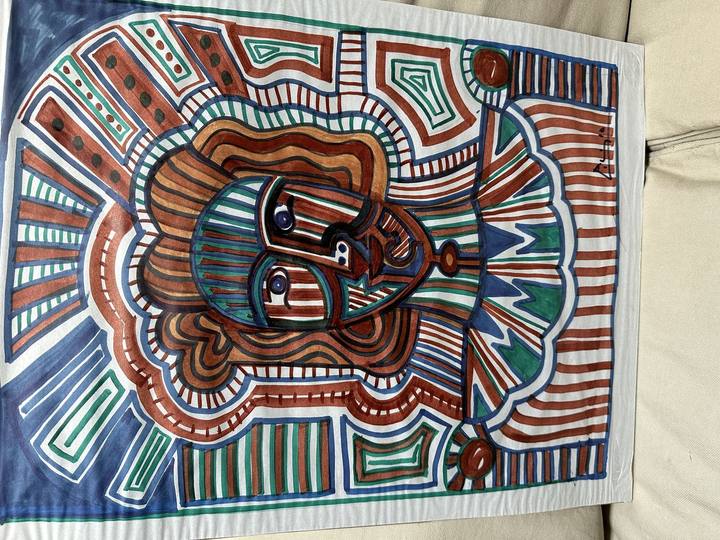
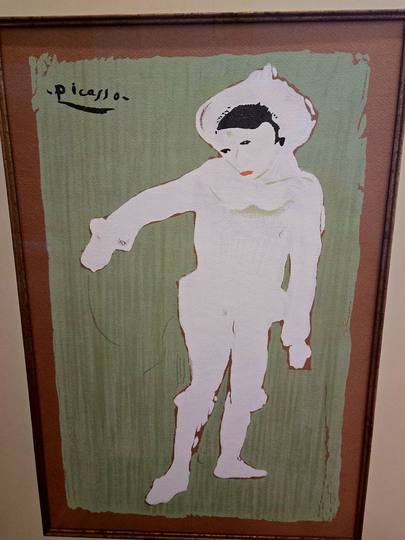
Real client case reviewed by ConfirmArt for The Three Fates, attributed or related to Pablo Picasso. The public page presents selected visual evidence and a rendered report viewer without exposing the private commissioned PDF.
Pablo Picasso authentication evidence image 1: The Three FatesPablo Picasso authentication evidence image 2: The Three FatesPablo Picasso authentication evidence image 3: The Three FatesPablo Picasso authentication evidence image 4: The Three FatesPablo Picasso authentication evidence image 5: The Three FatesPablo Picasso authentication evidence image 6: The Three FatesPablo Picasso authentication evidence image 7: The Three FatesPablo Picasso authentication evidence image 8: The Three Fates
Report structure
Section summaries
01
Structural and Condition Analysis
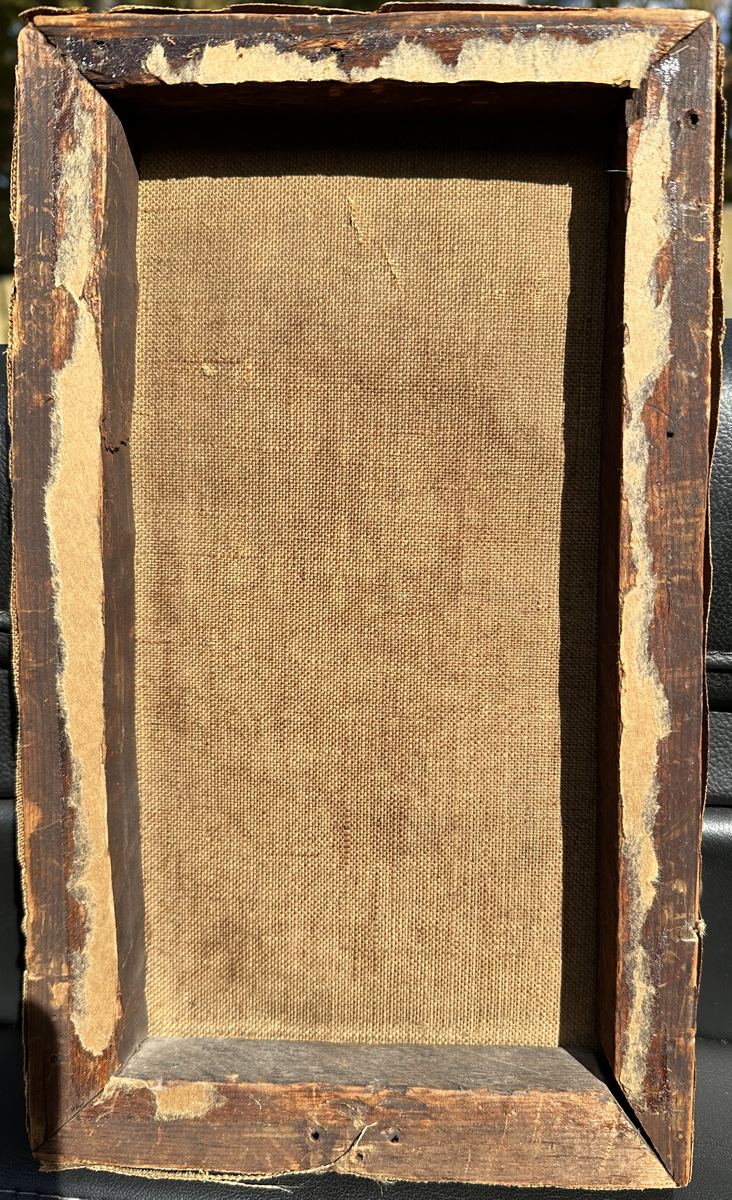
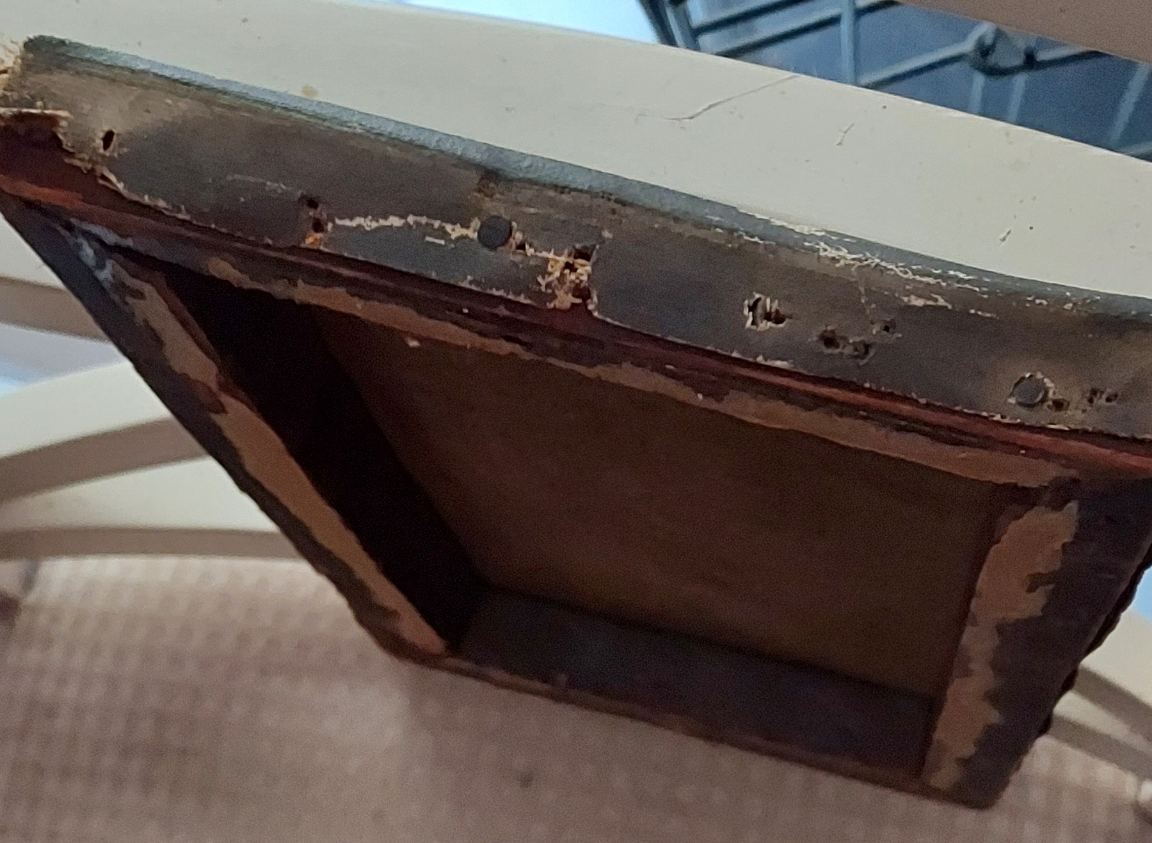
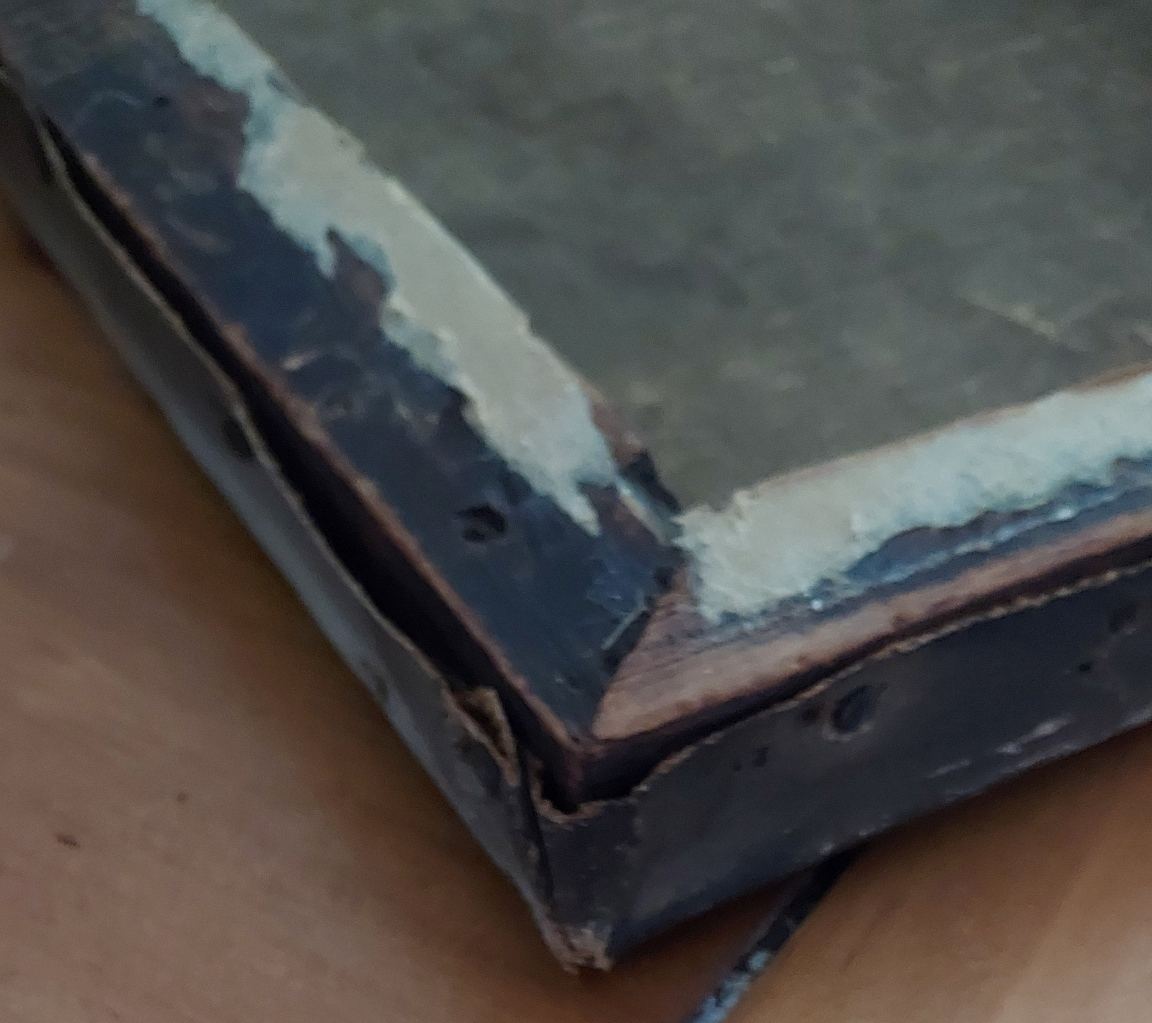
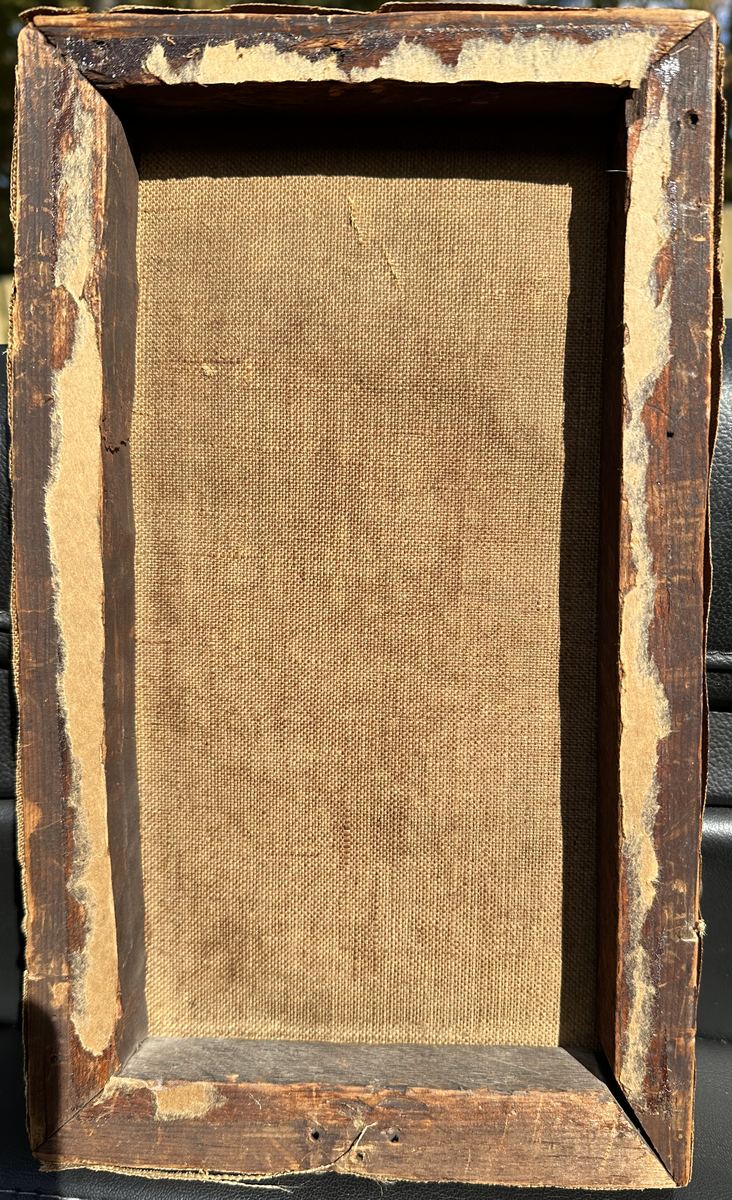
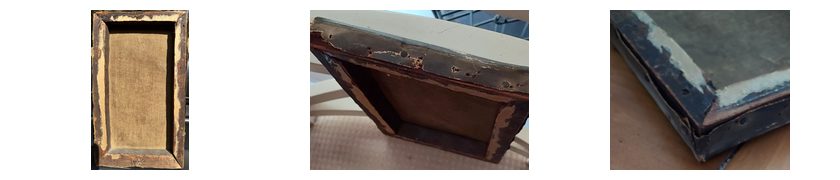
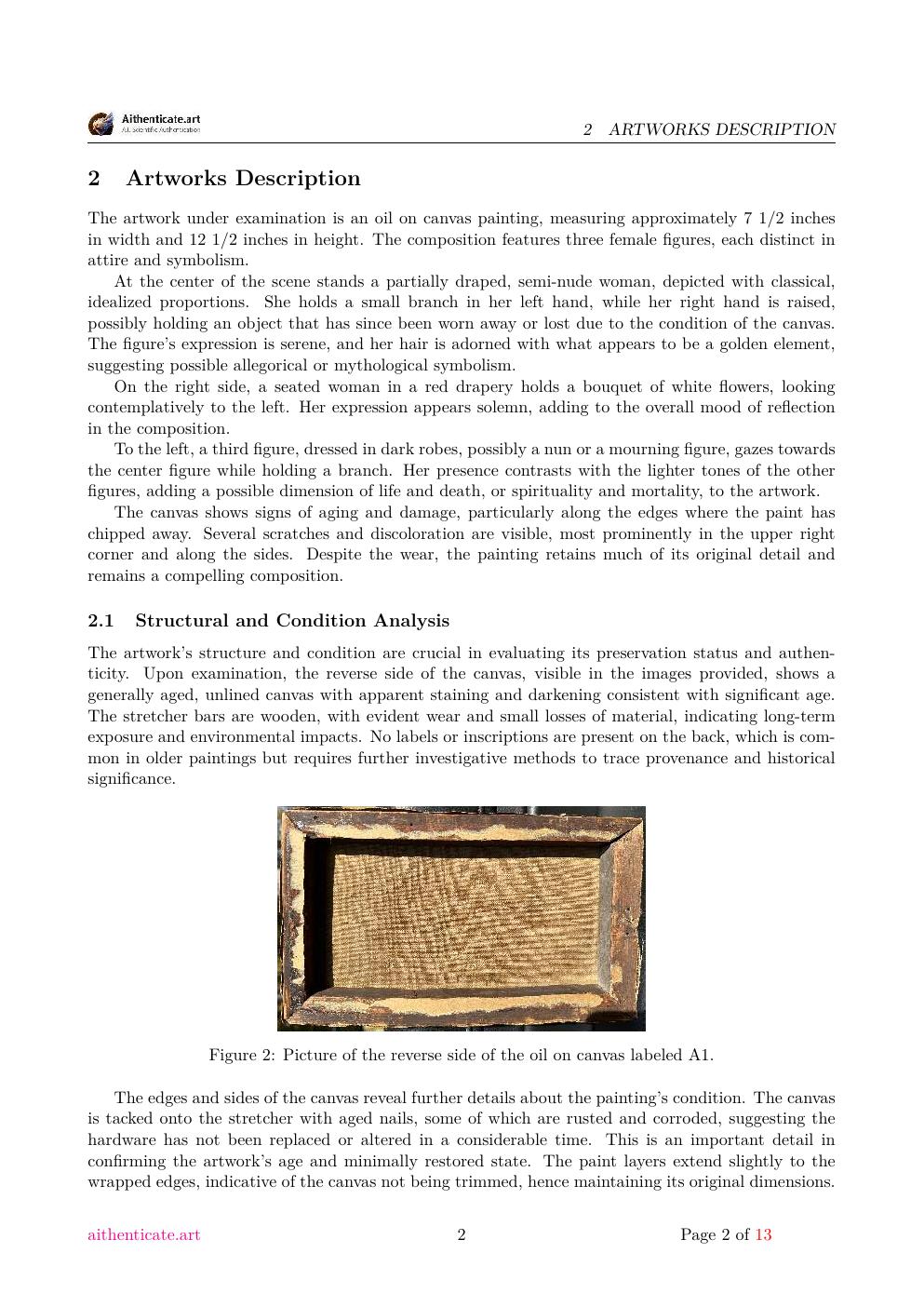
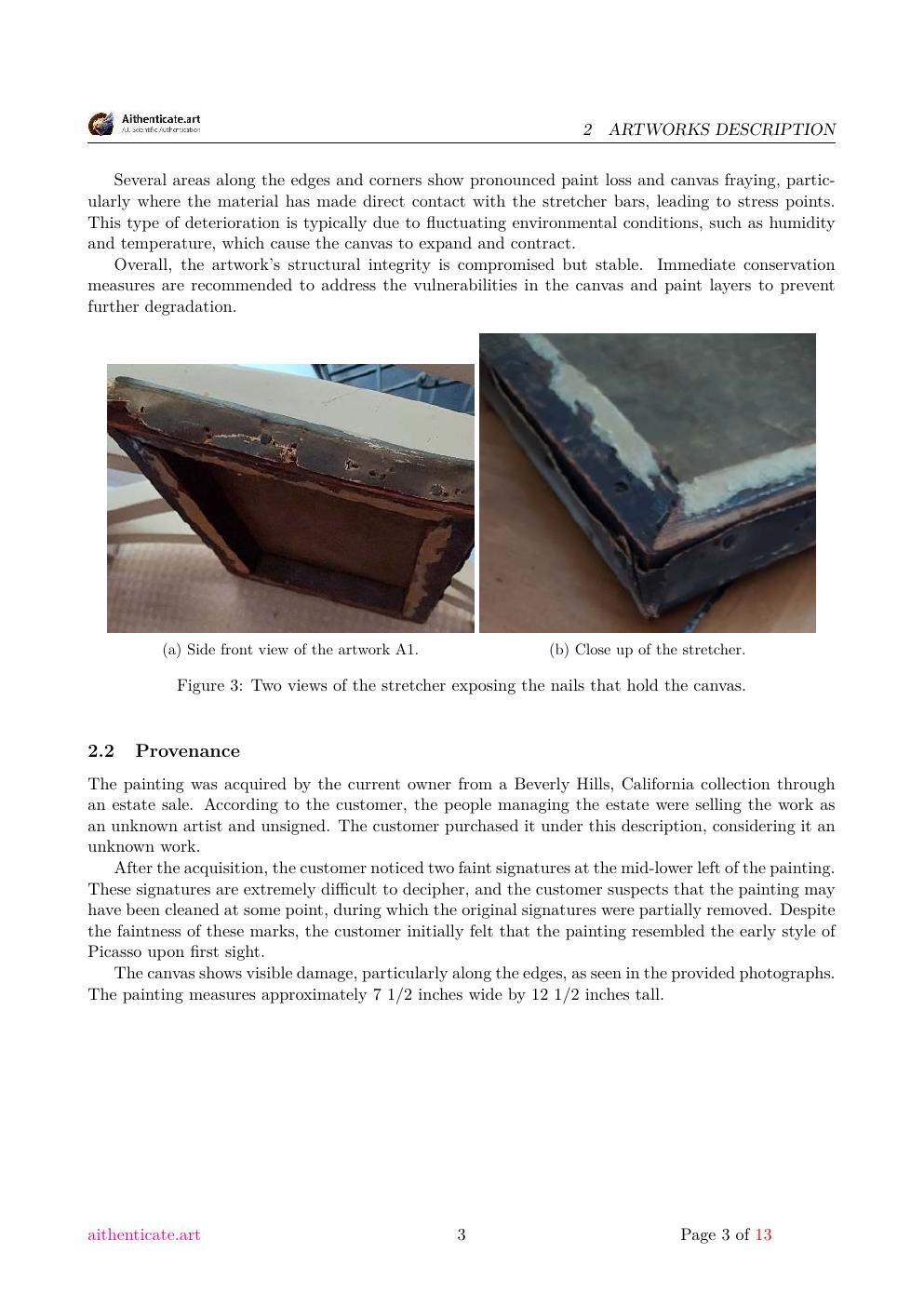
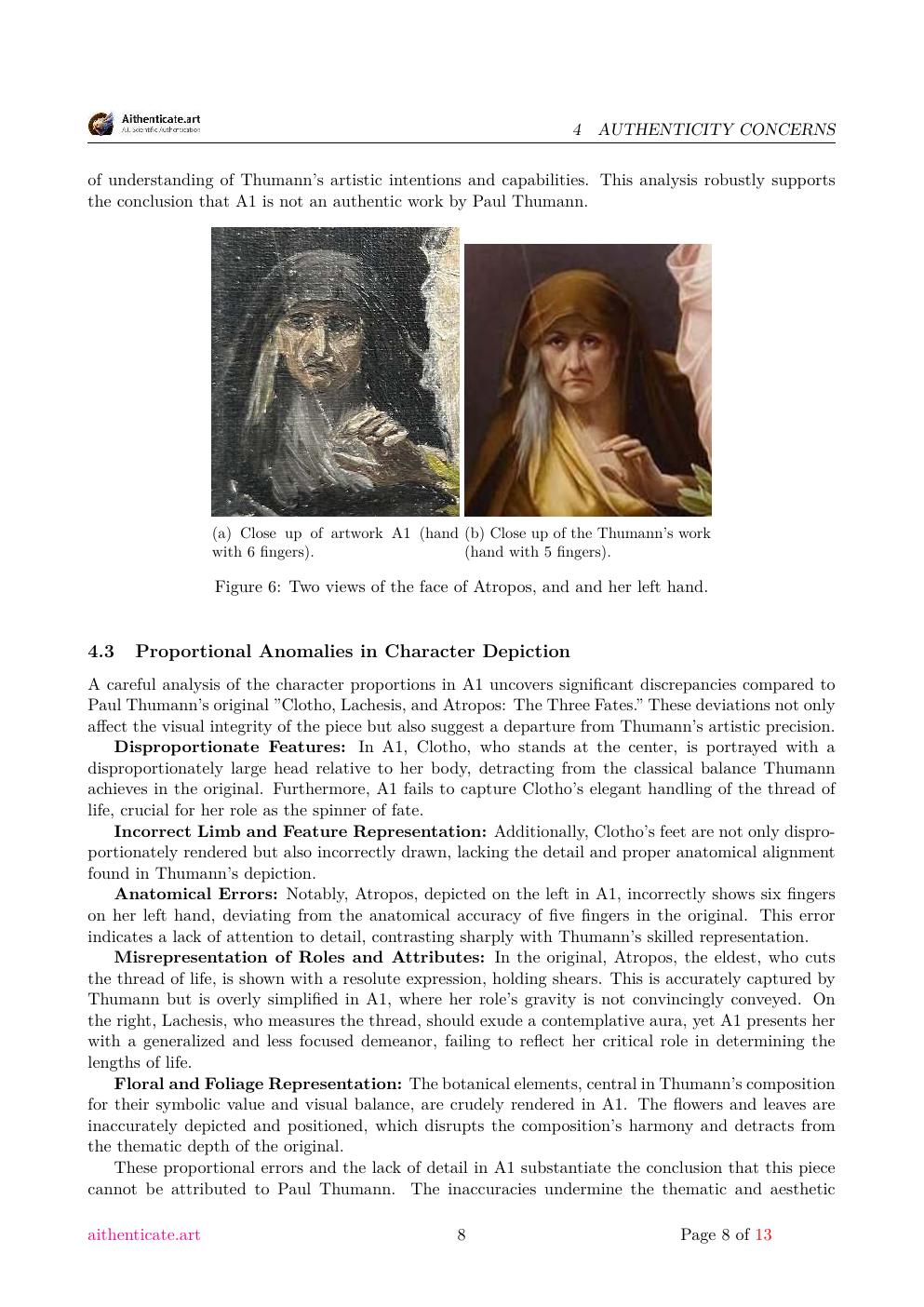
The artwork's structure and condition are crucial in evaluating its preservation status and authenticity. Upon examination, the reverse side of the canvas, visible in the images provided, shows a generally aged, unlined canvas with apparent staining and darkening consistent with significant age. The stretcher bars are wooden, with evident wear and small losses of material, indicating long-term exposure and environmental impacts.
02
Artist Overview: Friedrich Paul Thumann
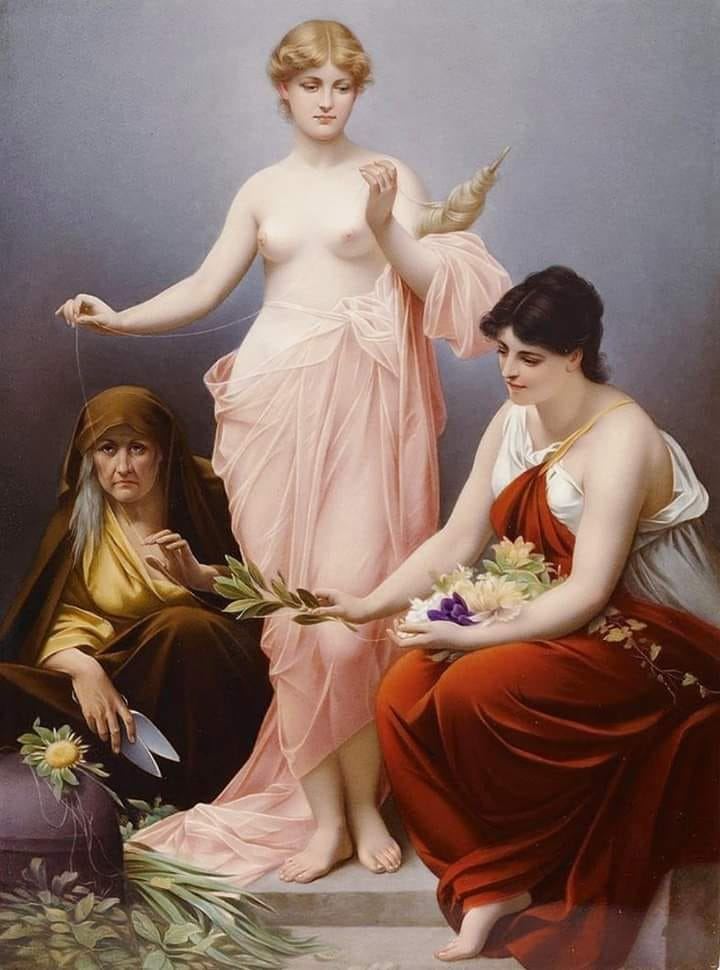
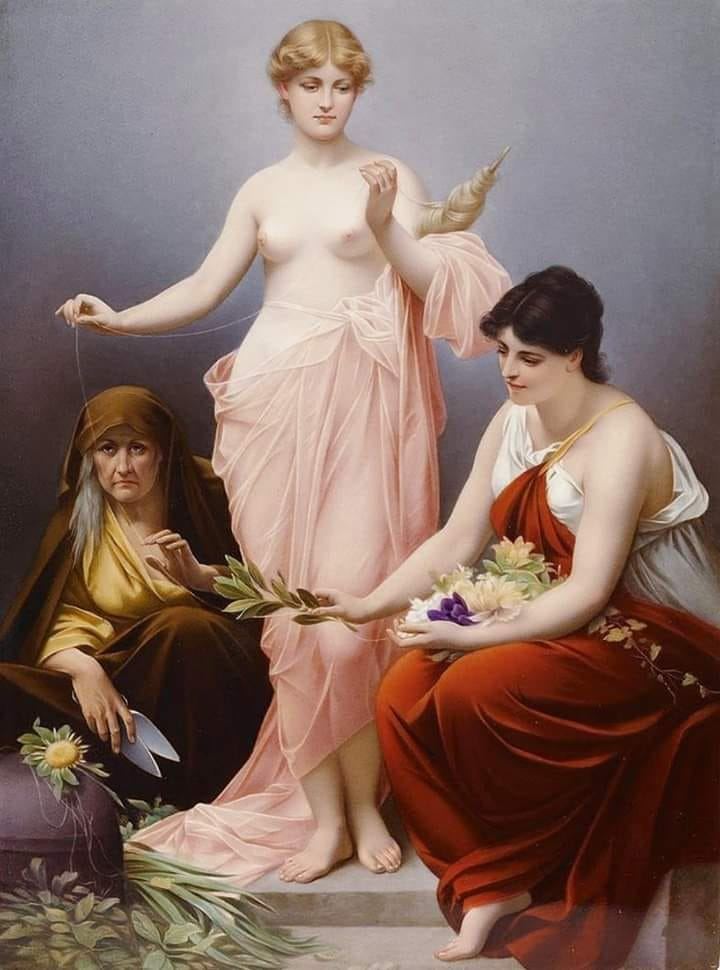
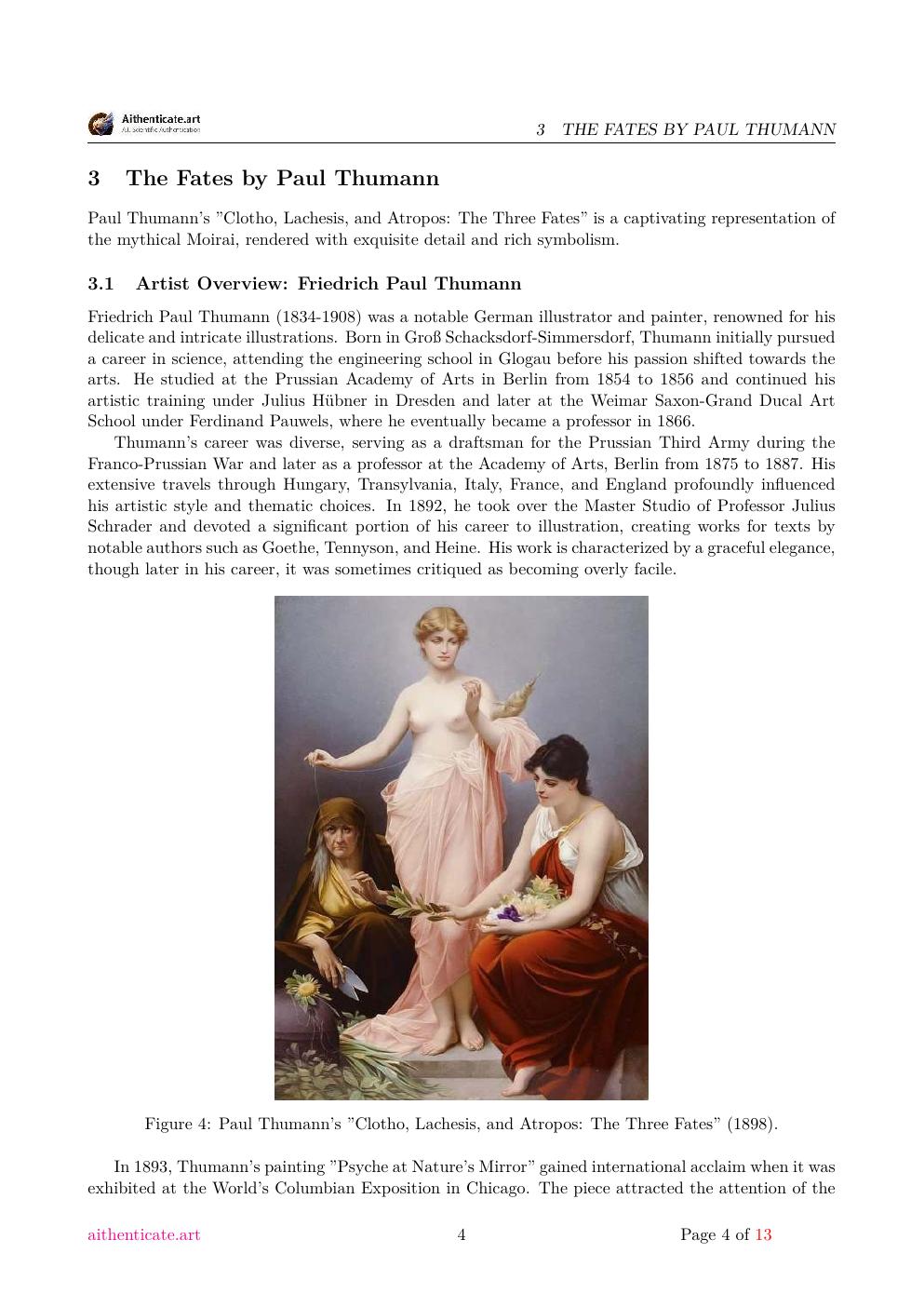
Friedrich Paul Thumann (1834-1908) was a notable German illustrator and painter, renowned for his delicate and intricate illustrations. Born in Groß Schacksdorf-Simmersdorf, Thumann initially pursued a career in science, attending the engineering school in Glogau before his passion shifted towards the arts. He studied at the Prussian Academy of Arts in Berlin from 1854 to 1856 and continued his artistic training under Julius Hübner in Dresden and later at the Weimar Saxon-Grand Ducal Art School under Ferdinand Pauw
03
Analysis of Artistic Technique and Medium
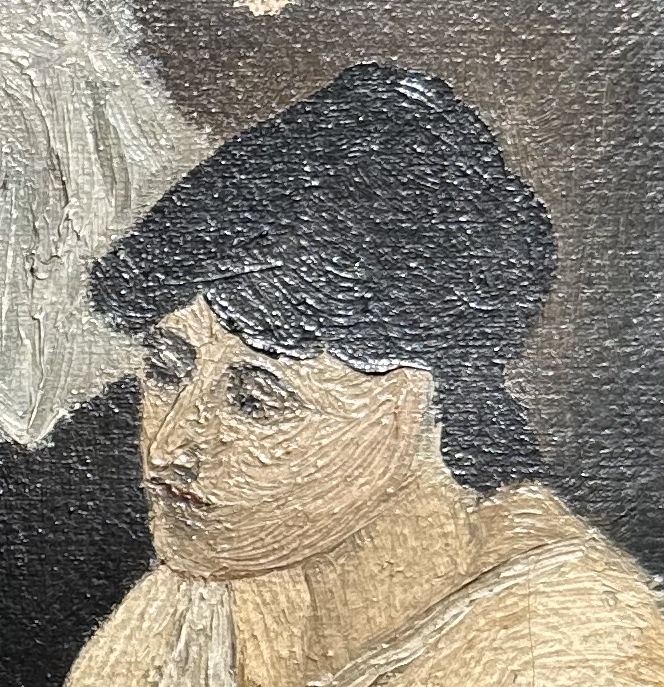
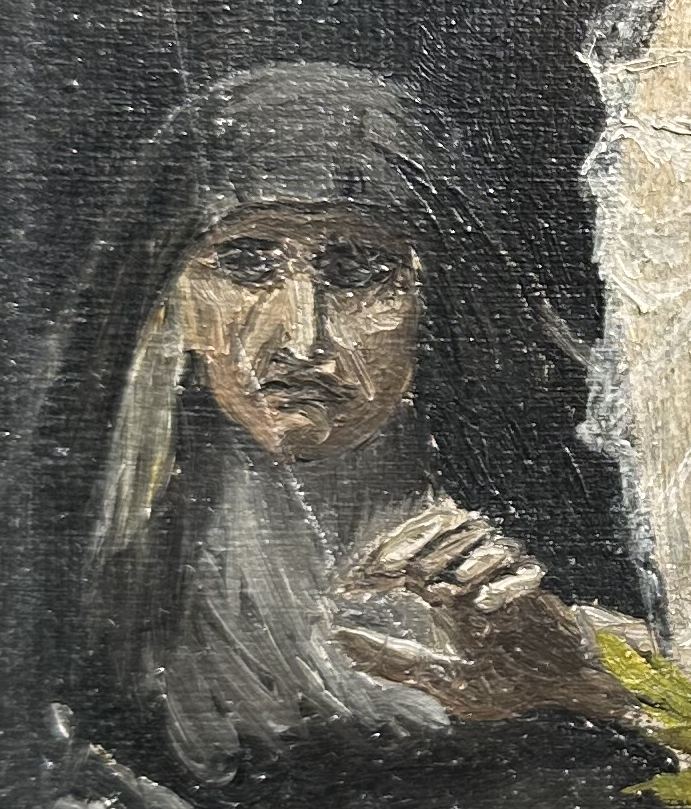
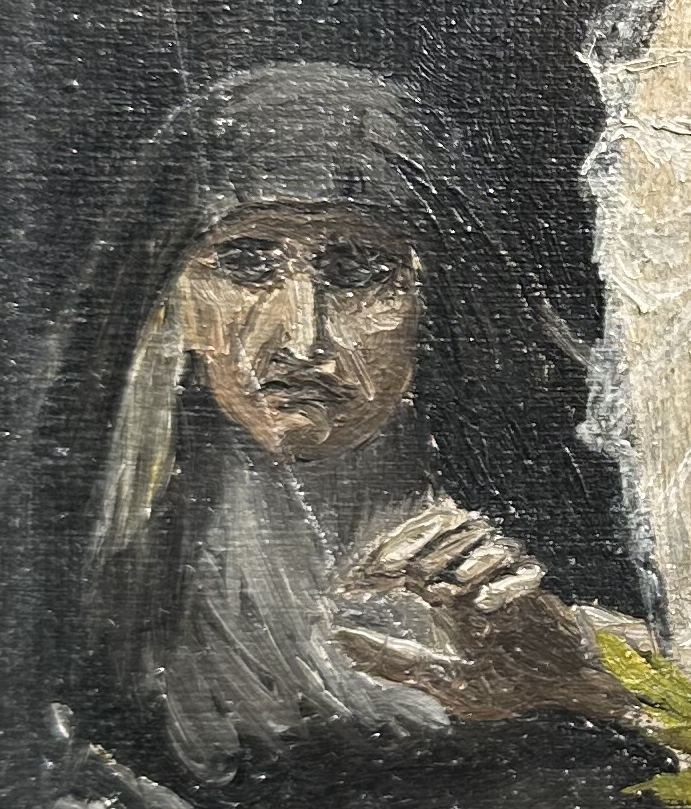
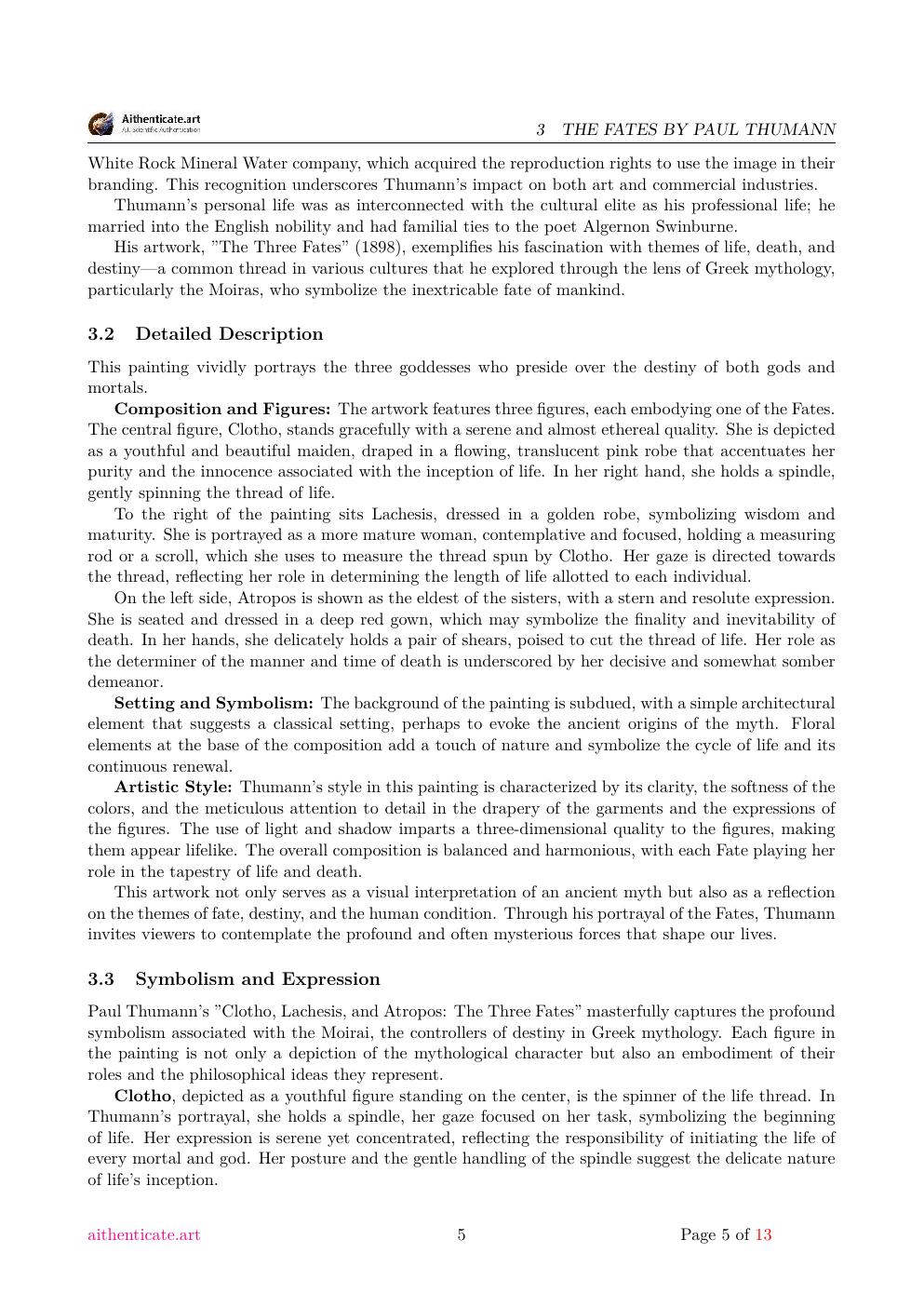
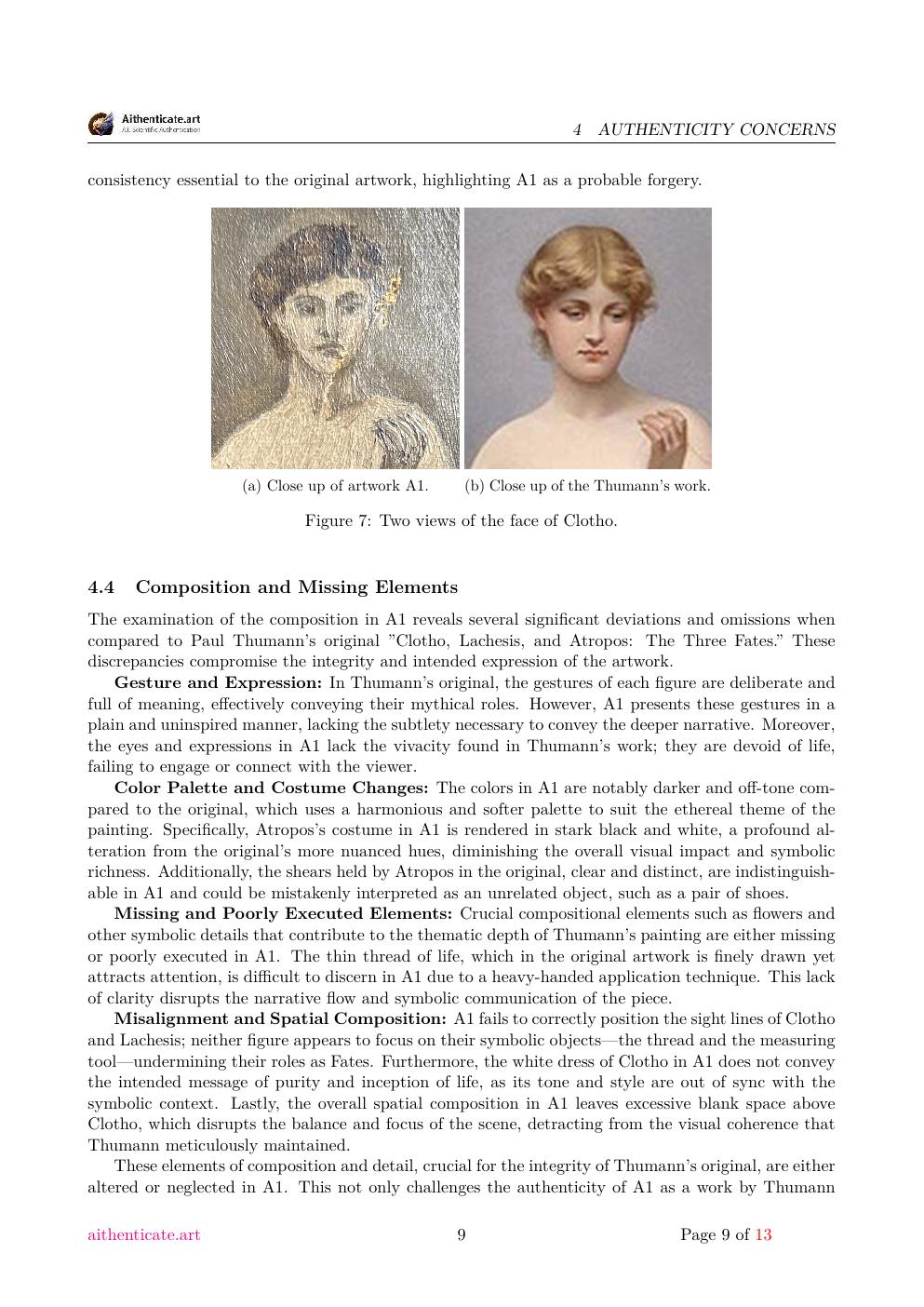
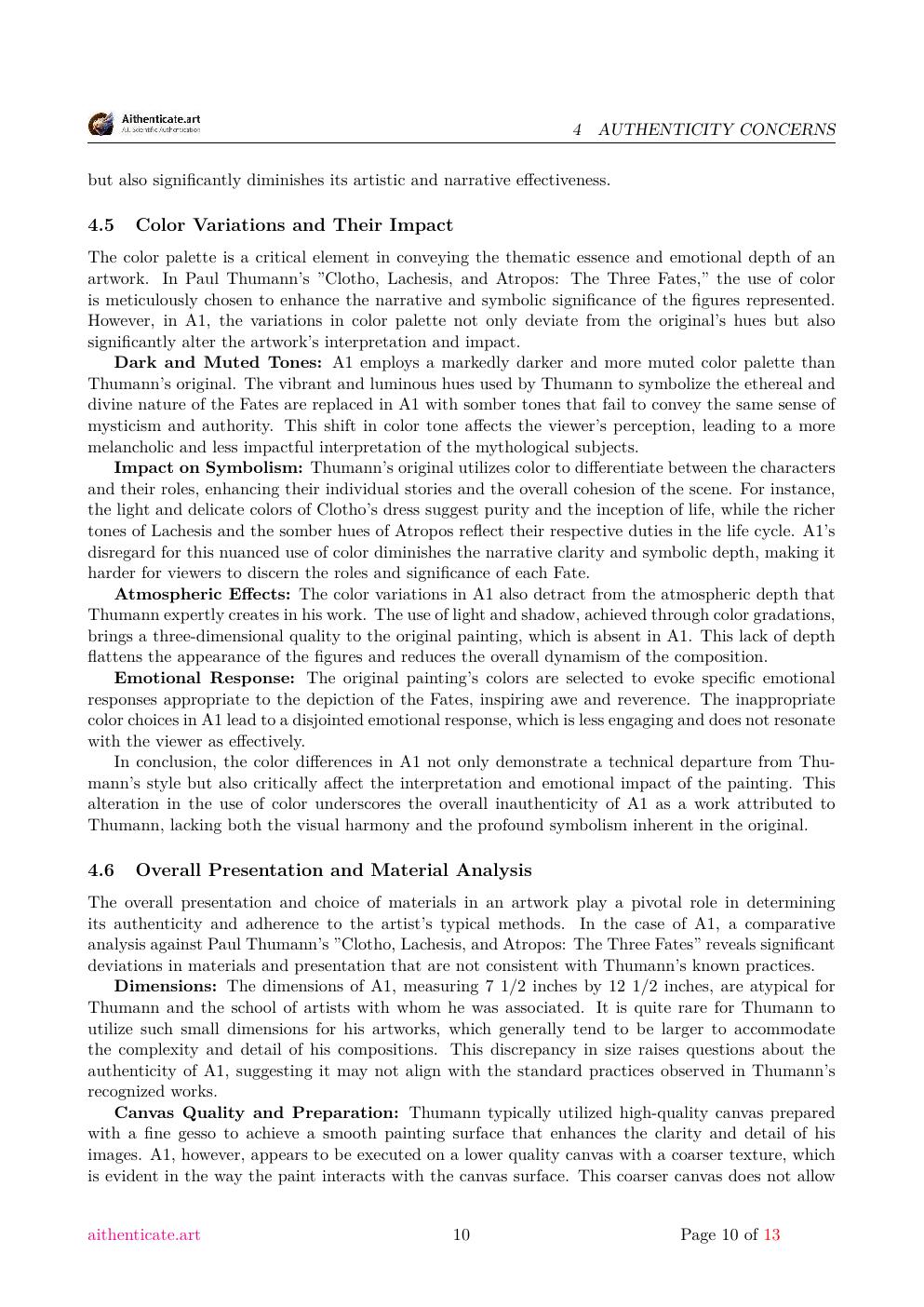
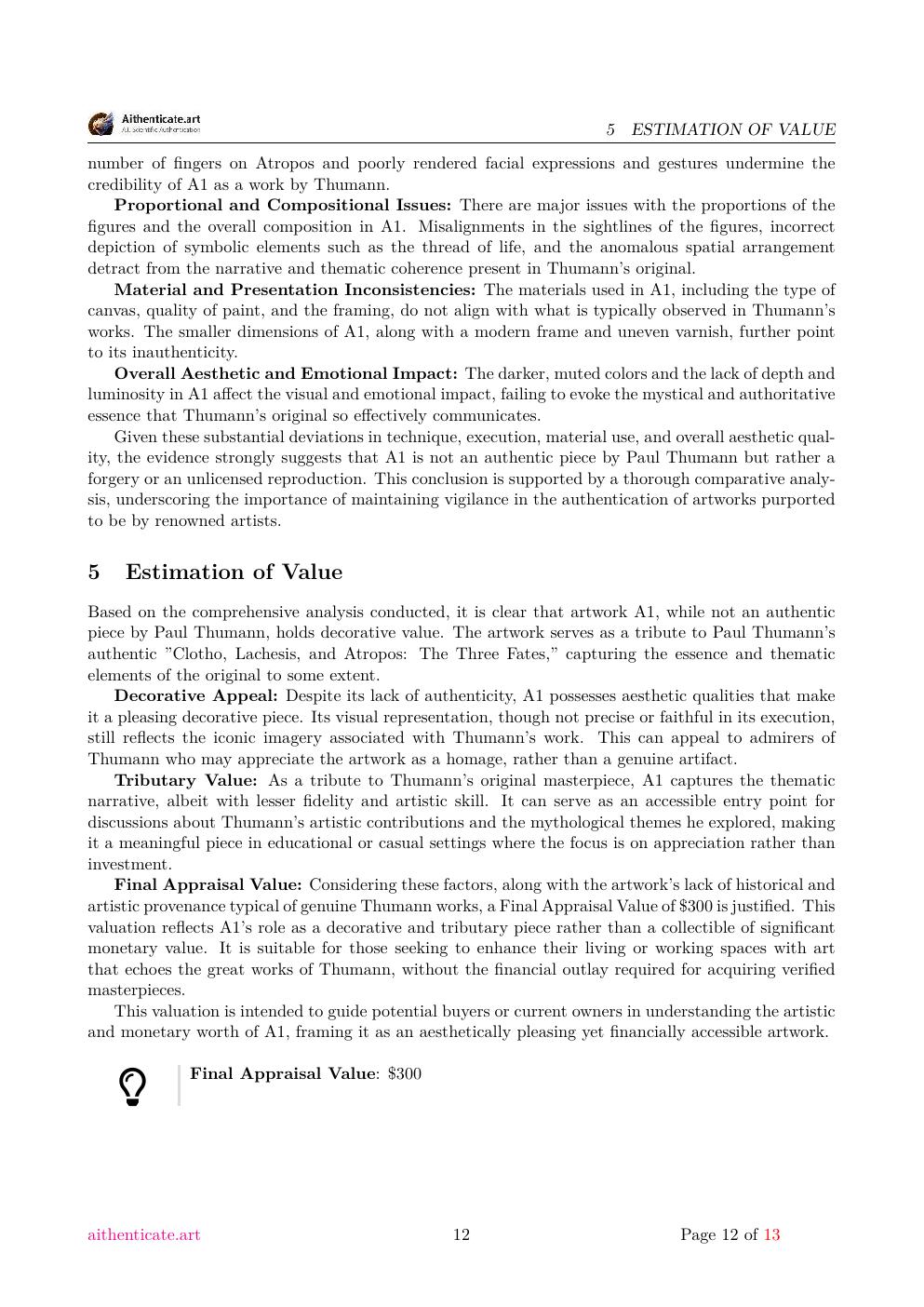
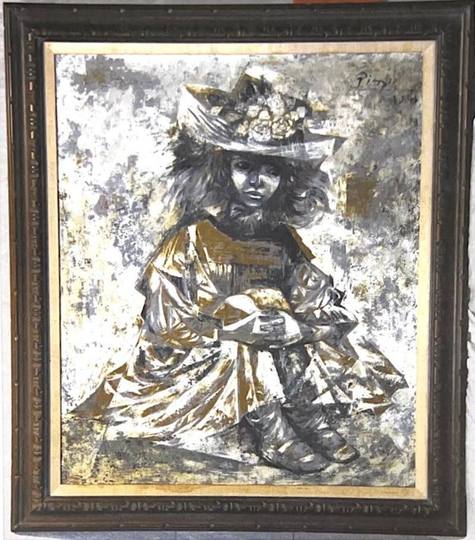
In comparing the artistic techniques and mediums used in A1 with those in Paul Thumann's original "Clotho, Lachesis, and Atropos: The Three Fates," several key differences emerge that are indicative of A1's divergent artistic execution and possibly its inauthenticity. Paint Type: The original artwork by Thumann employs a sophisticated palette that enhances the ethereal and delicate nature of the figures, using a variety of hues to achieve depth and luminosity. In contrast, A1 utilizes a noticeably more limited rang
04
Discrepancies in Execution and Brushwork
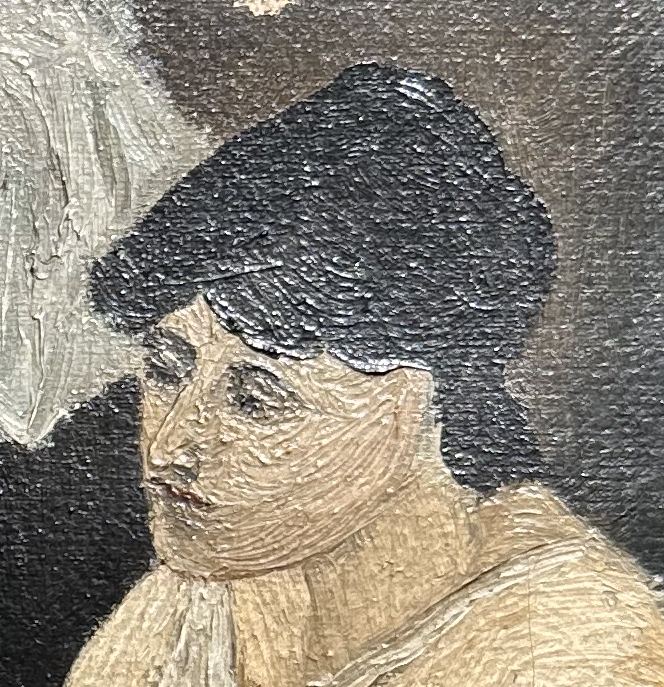
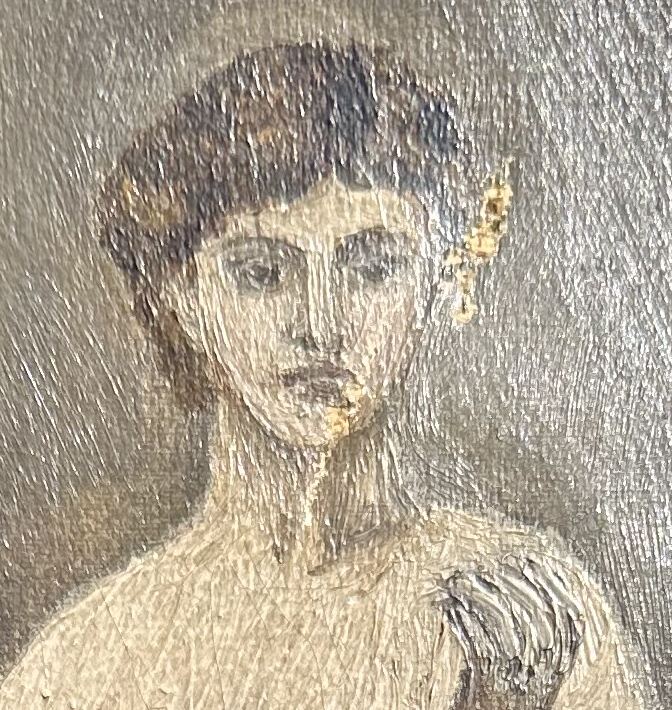
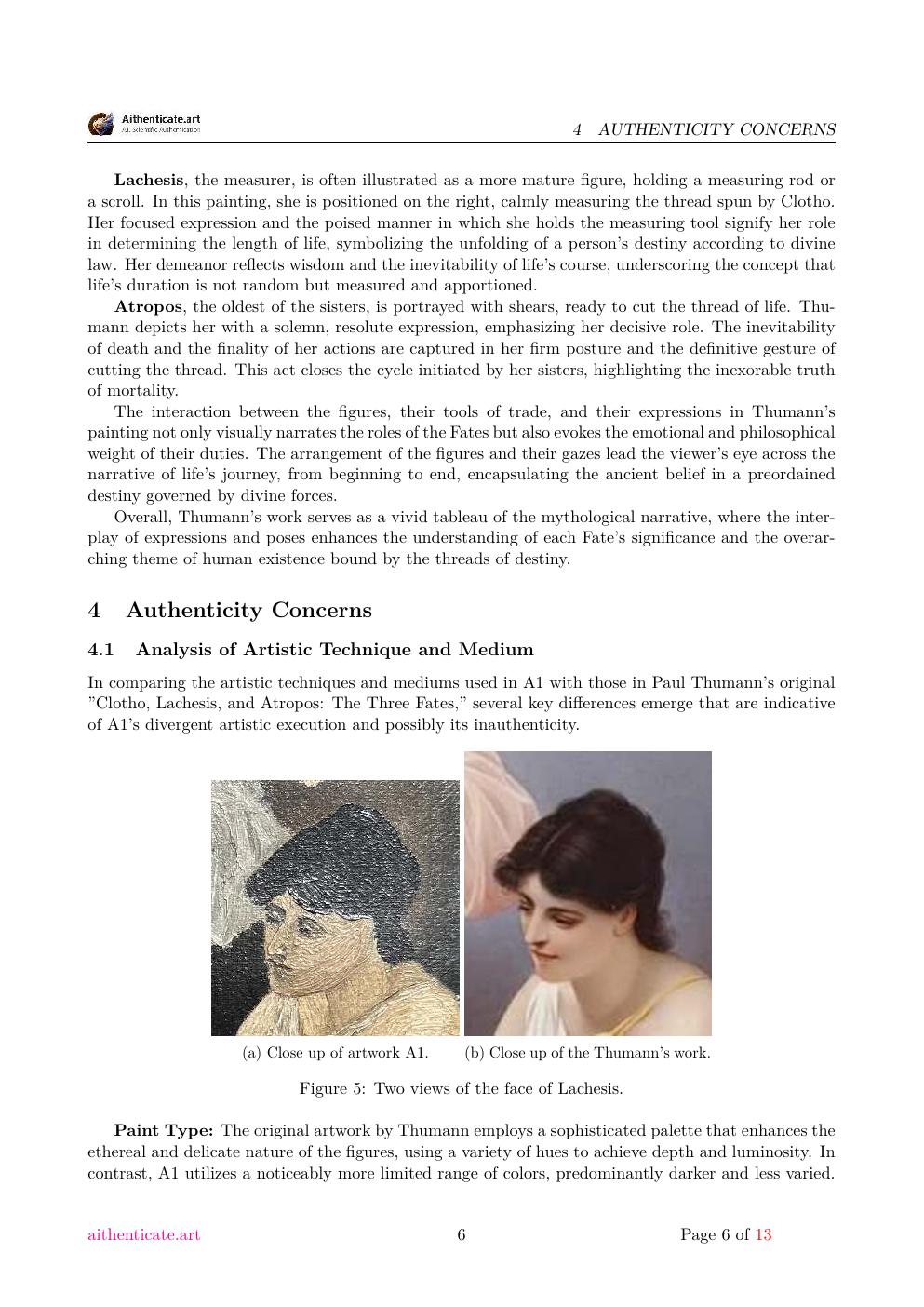
The brushwork and execution techniques evident in Paul Thumann's "Clotho, Lachesis, and Atropos: The Three Fates" are hallmark examples of his mastery in achieving subtlety and precision. This fine technique is starkly absent in the artwork A1, indicating significant discrepancies that cast doubts on its authenticity. Precision of Brushwork: Thumann's original painting features meticulously controlled brush strokes that delicately outline the contours and intricate details of the subjects, contributing to the overa
05
Proportional Anomalies in Character Depiction
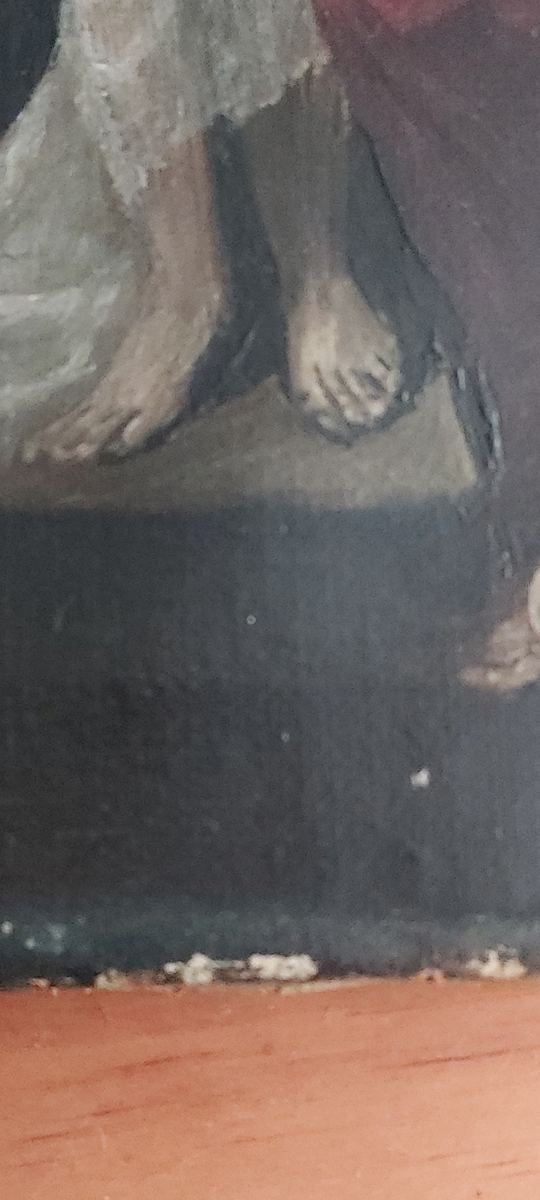
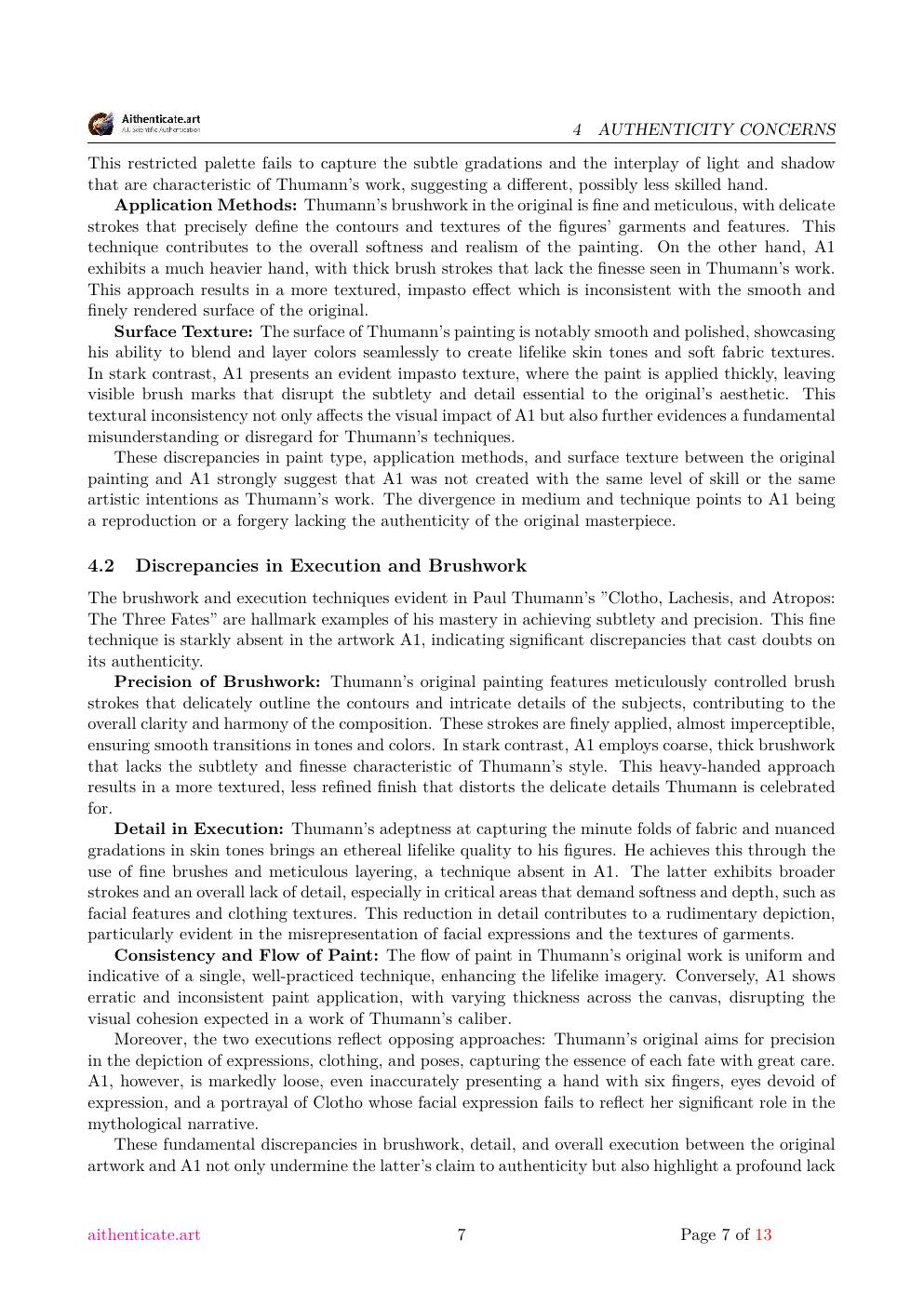
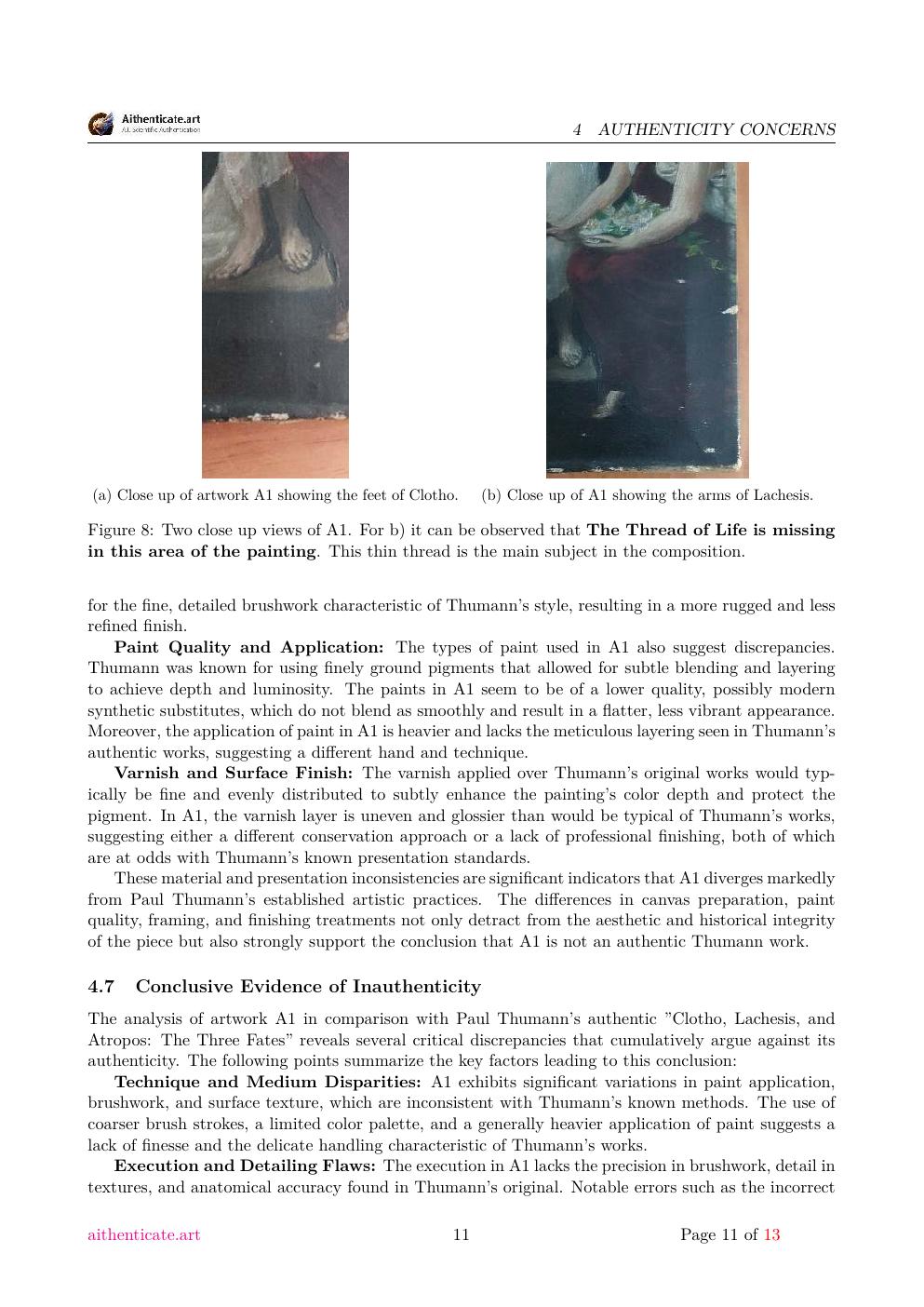
A careful analysis of the character proportions in A1 uncovers significant discrepancies compared to Paul Thumann's original "Clotho, Lachesis, and Atropos: The Three Fates." These deviations not only affect the visual integrity of the piece but also suggest a departure from Thumann's artistic precision. Disproportionate Features: In A1, Clotho, who stands at the , is portrayed with a disproportionately large head relative to her body, detracting from the classical balance Thumann achieves in the original. Furtherm
06
Color Variations and Their Impact
The color palette is a critical element in conveying the thematic essence and emotional depth of an artwork. In Paul Thumann's "Clotho, Lachesis, and Atropos: The Three Fates," the use of color is meticulously chosen to enhance the narrative and symbolic significance of the figures represented. However, in A1, the variations in color palette not only deviate from the original's hues but also significantly alter the artwork's interpretation and impact.
Authentication evidence
Selected close details from the human review
Structural and Condition AnalysisThe artwork's structure and condition are crucial in evaluating its preservation status and authenticity. Upon examination, the reverse side of the canvas, visible in the images provided, shows a generally aged, unlined canvas with apparent staining and darkening consistent with significant age.
Private authentication
Submit your artwork for a ConfirmArt review
Use this real case as a reference for the kind of evidence that can be organized in a private authentication report.
The public browser receives rendered pages, not a native PDF viewer or direct PDF URL. Public pixels can still be screen-captured; private commissioned reports remain controlled client deliverables.
QR verification
Traceable real case
This real case has a stable verification URL and source fingerprints. The QR code resolves to the public verification record for this case.
Only your email and service selection are needed to submit the request. Optional images, dimensions and notes can be added now or later.
Payment is requested only for the Authentication report. Catalogue search, advisory, restoration and local inspection requests are reviewed first so the scope can be confirmed.
Authentication is a human expert review. ConfirmArt may use AI for bounded research support such as database, image, book or provenance searches, but not as a classifier verdict.
Complete front image
Reverse, support, frame and condition details
Signature, inscriptions, labels or seals
Invoices, certificates, provenance or catalogues
Comparative images, references or previous opinions, if available