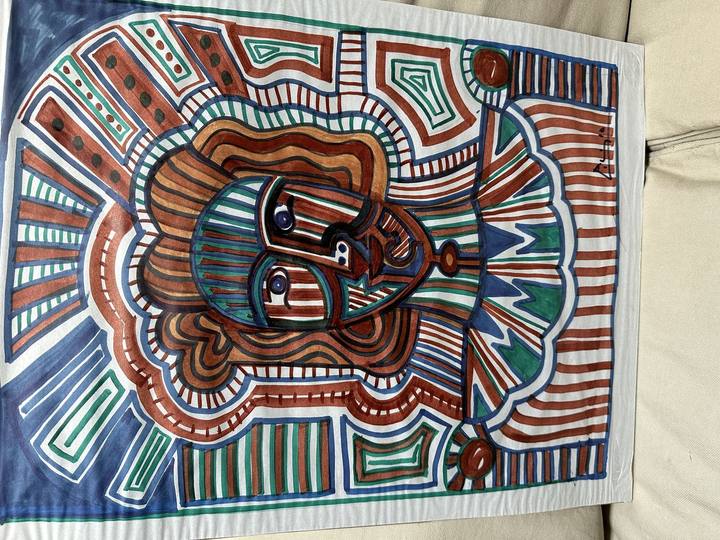
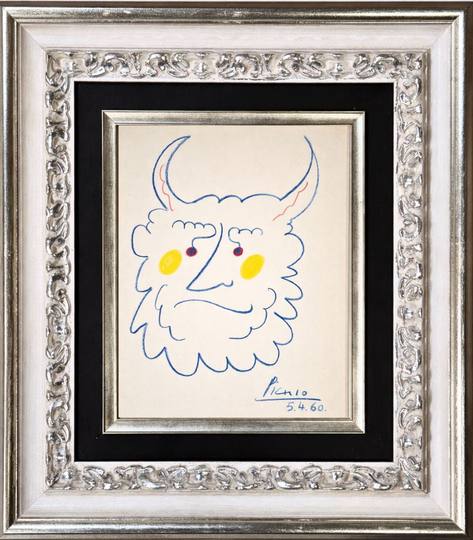
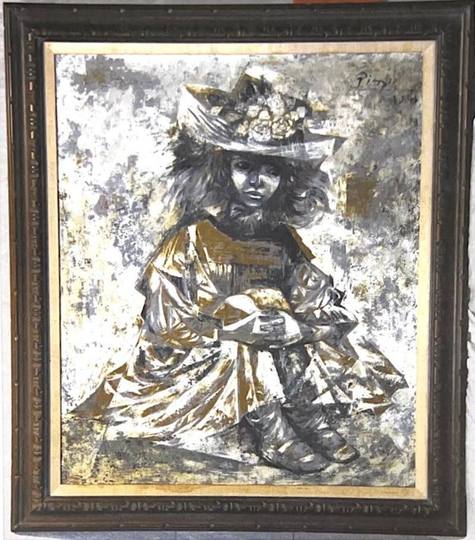
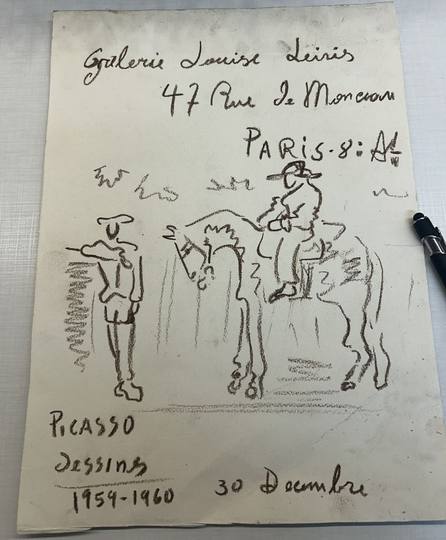
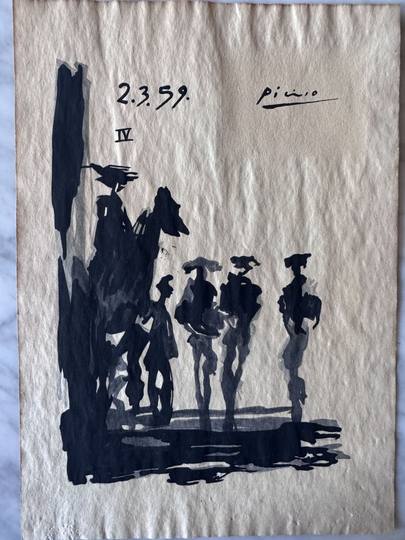
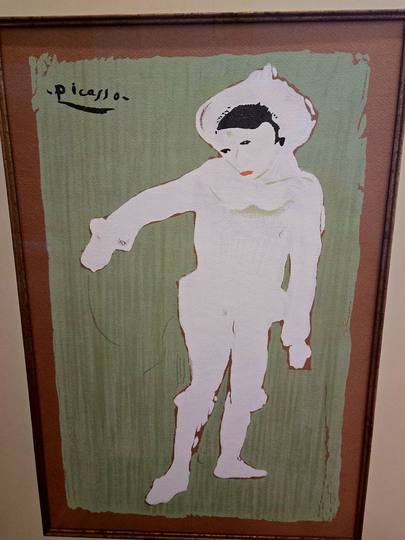
Real client case reviewed by ConfirmArt for Picasso Dinant study, attributed or related to Pablo Picasso. The public page presents selected visual evidence and a rendered report viewer without exposing the private commissioned PDF.
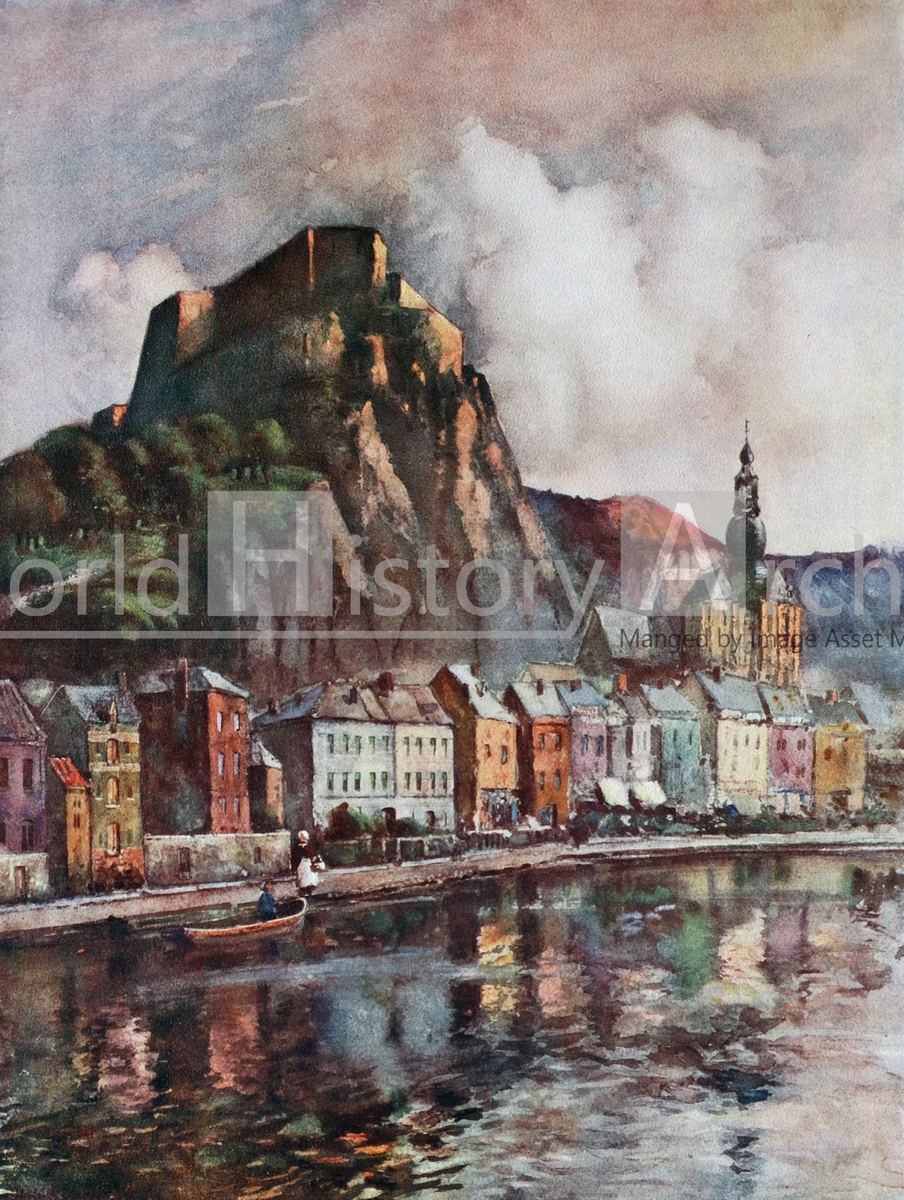
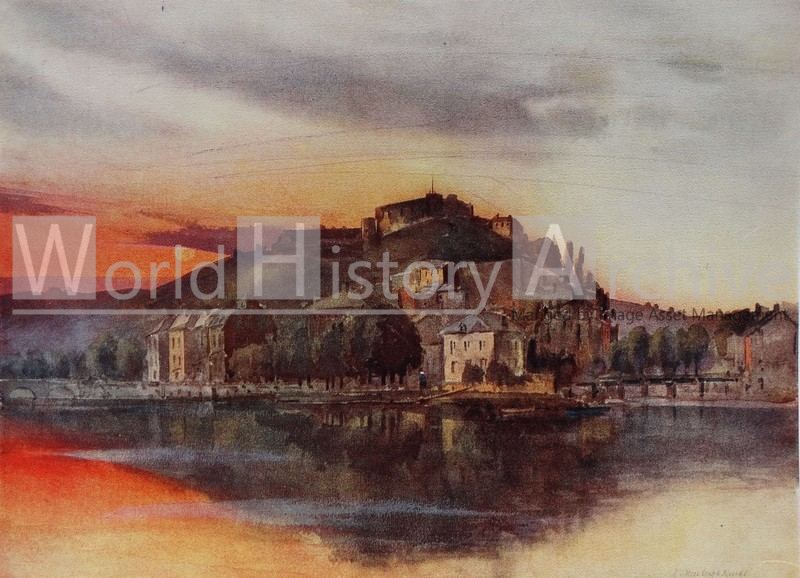
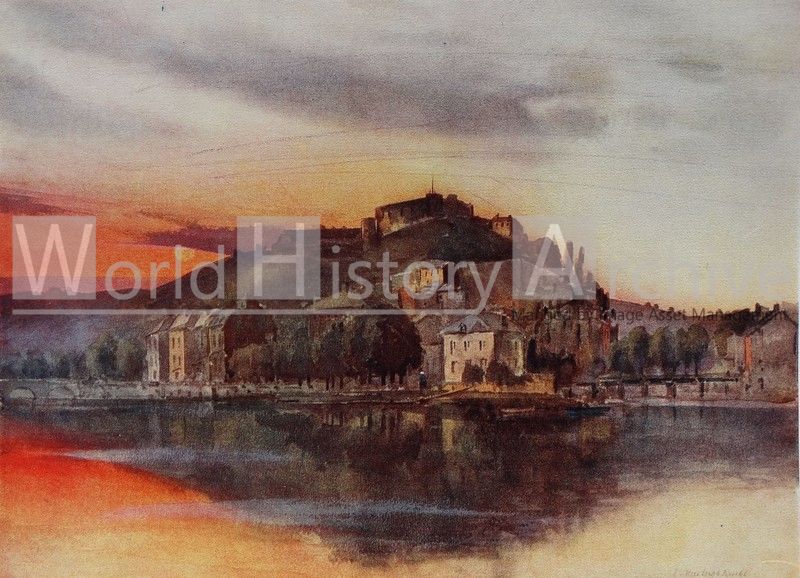
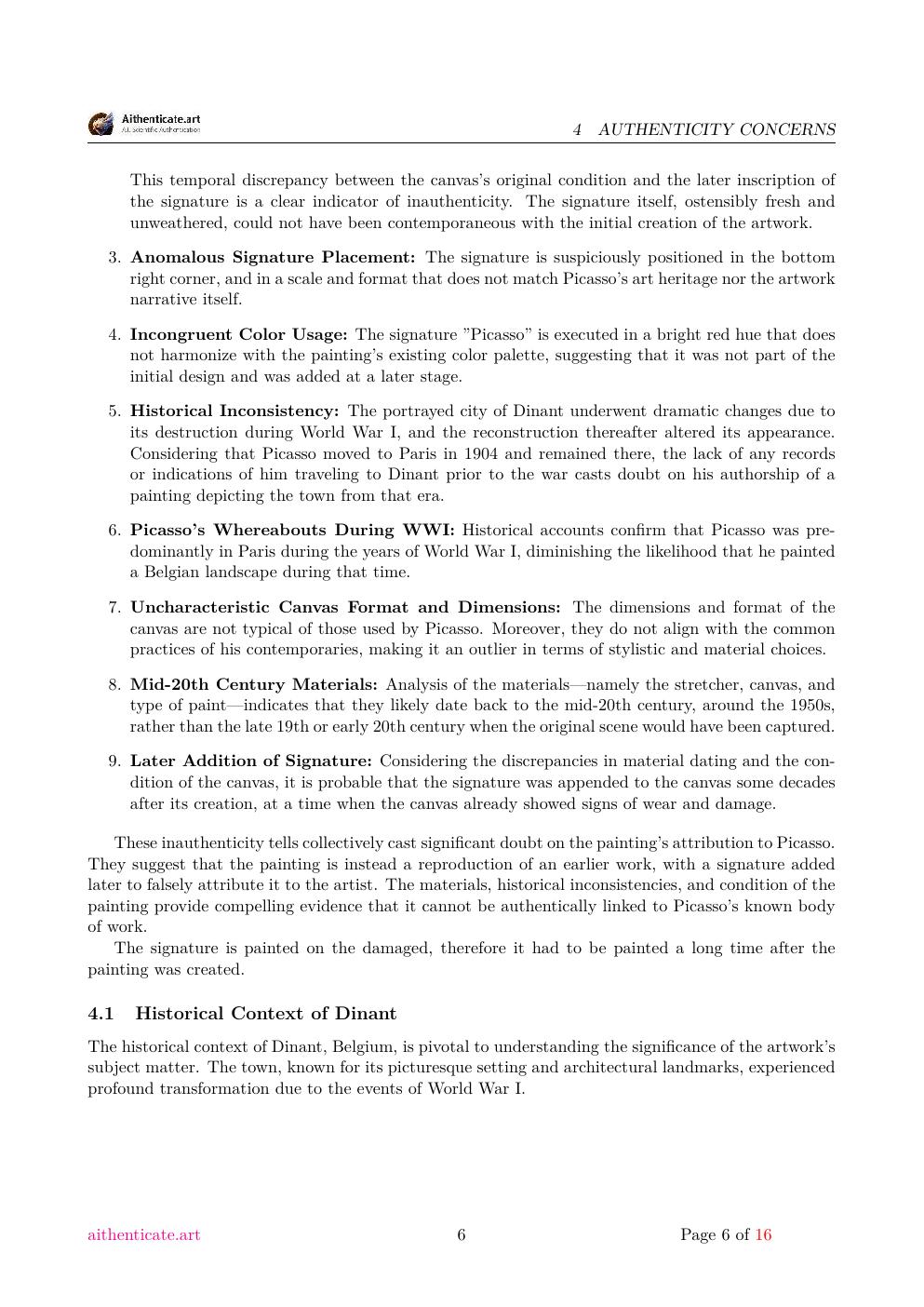
Upon examination of the other painting depicting the same scene of Dinant, Belgium, shown in Figure we encounter a striking resemblance in subject matter yet notable discrepancies in execution that merit a closer investigation. The comparison of these two artworks presents a case study in the reproduction of images, a practice not uncommon in the art world, both historically and in contemporary times. The second painting, which we shall refer to as Figure , shows a similar perspective of Dinant's riverside and arch
02
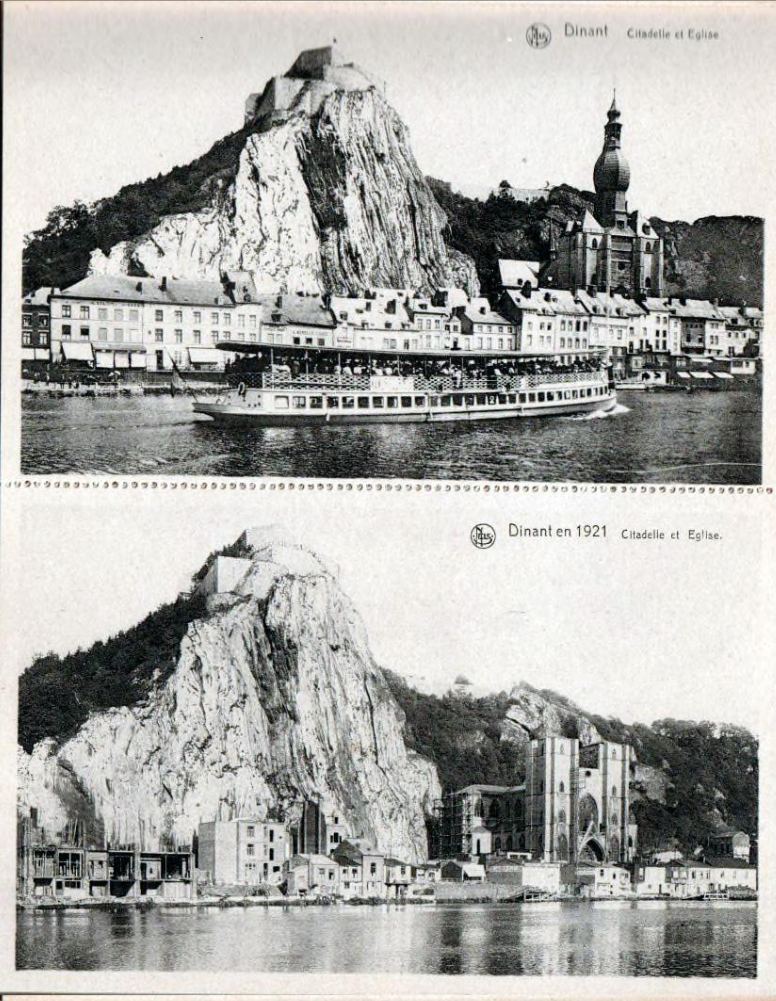
Historical Context of Dinant
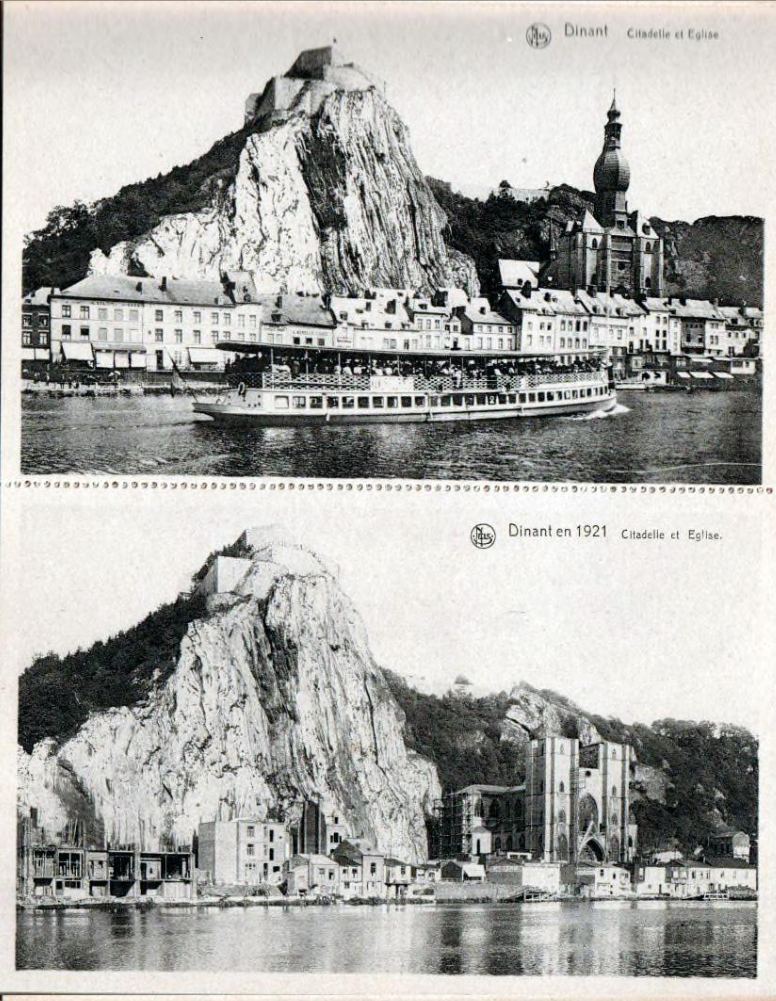
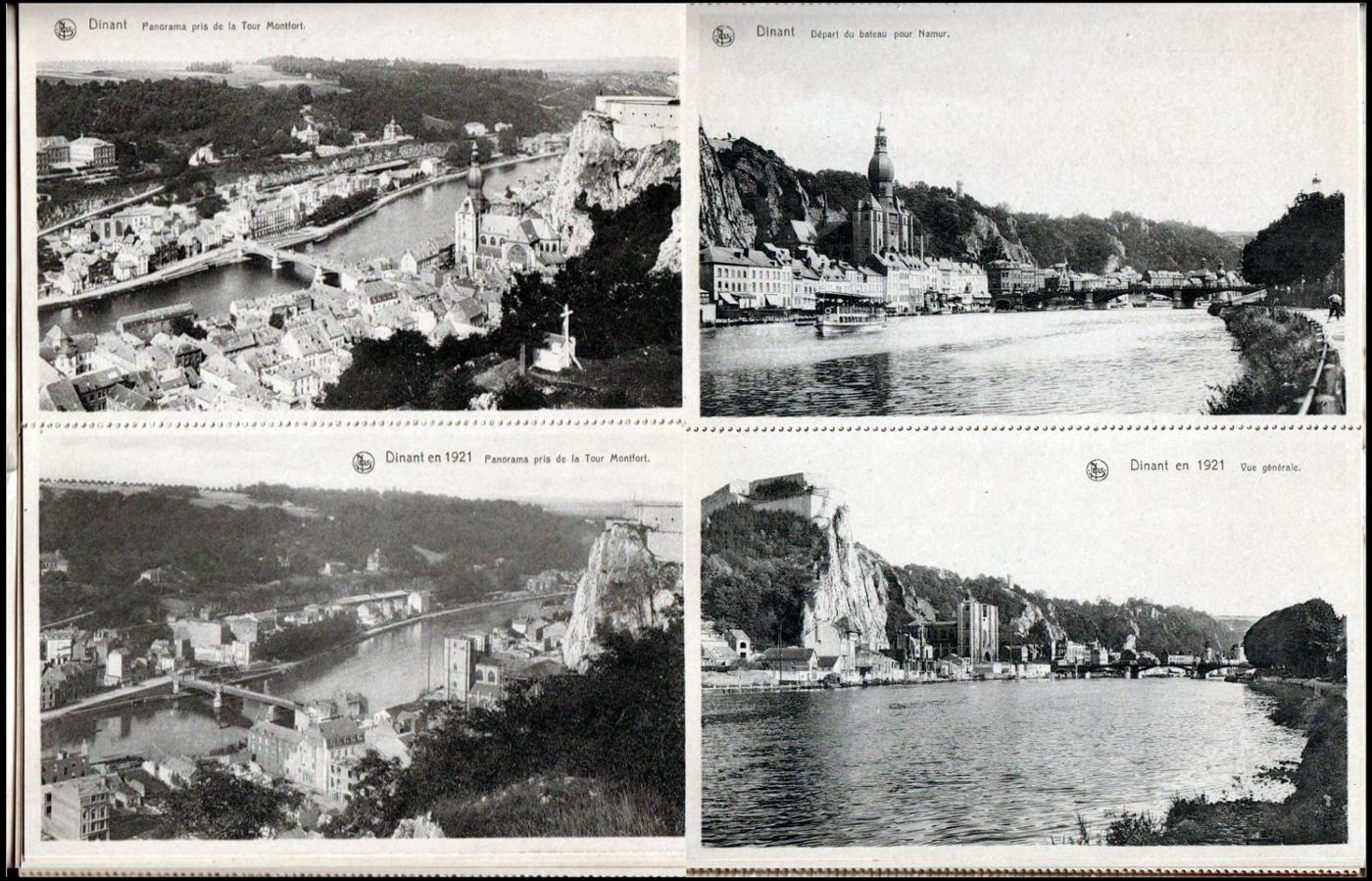
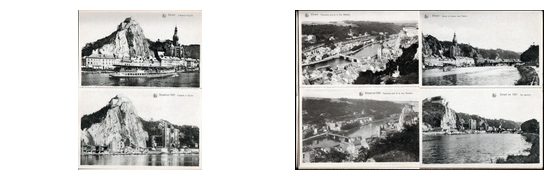
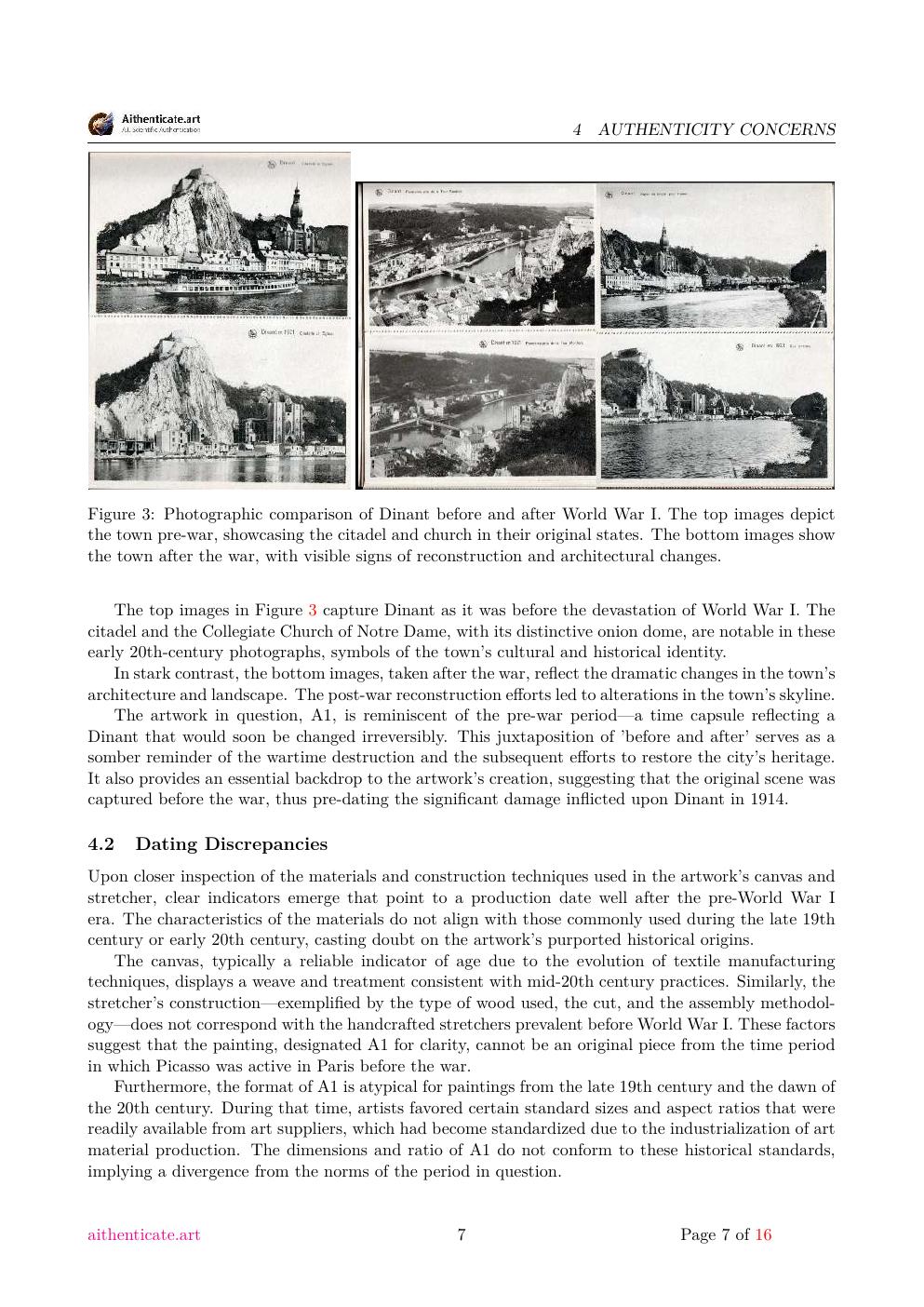
The historical context of Dinant, Belgium, is pivotal to understanding the significance of the artwork's subject matter. The town, known for its picturesque setting and architectural landmarks, experienced profound transformation due to the events of World War I. Photographic comparison of Dinant before and after World War I.
03
Dating Discrepancies
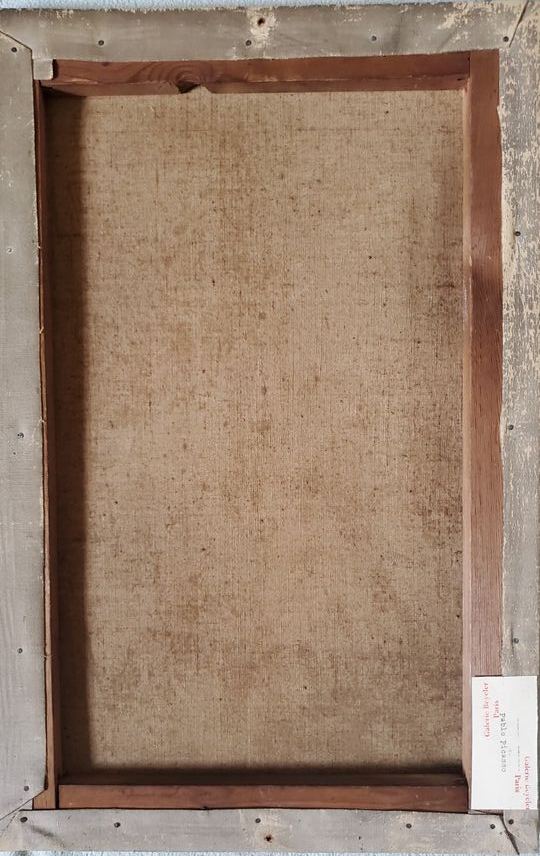
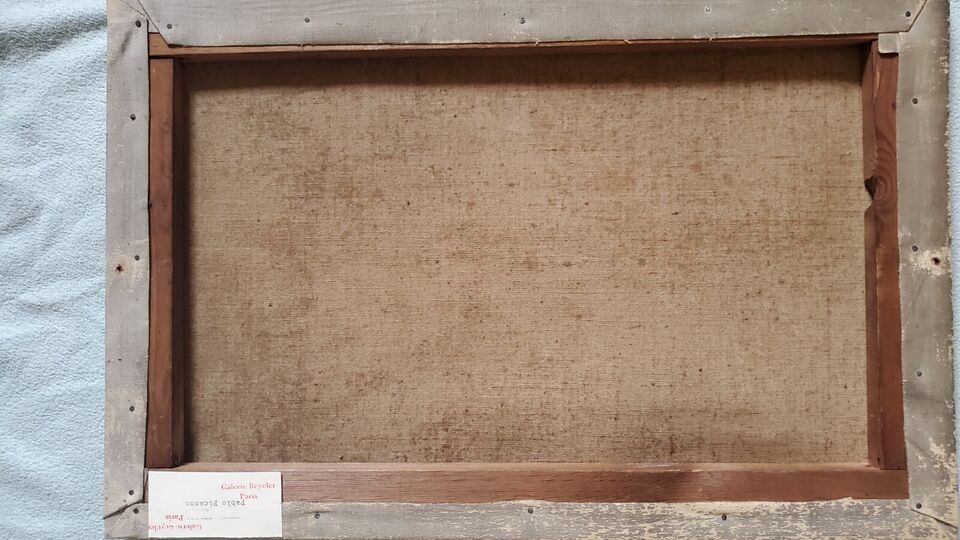
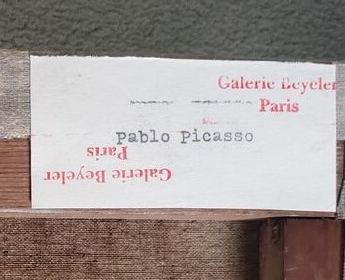
Upon closer inspection of the materials and construction techniques used in the artwork's canvas and stretcher, clear indicators emerge that point to a production date well after the pre-World War I era. The characteristics of the materials do not align with those commonly used during the late 19th century or early 20th century, casting doubt on the artwork's purported historical origins. The canvas, typically a reliable indicator of age due to the evolution of textile manufacturing techniques, displays a weave and
04
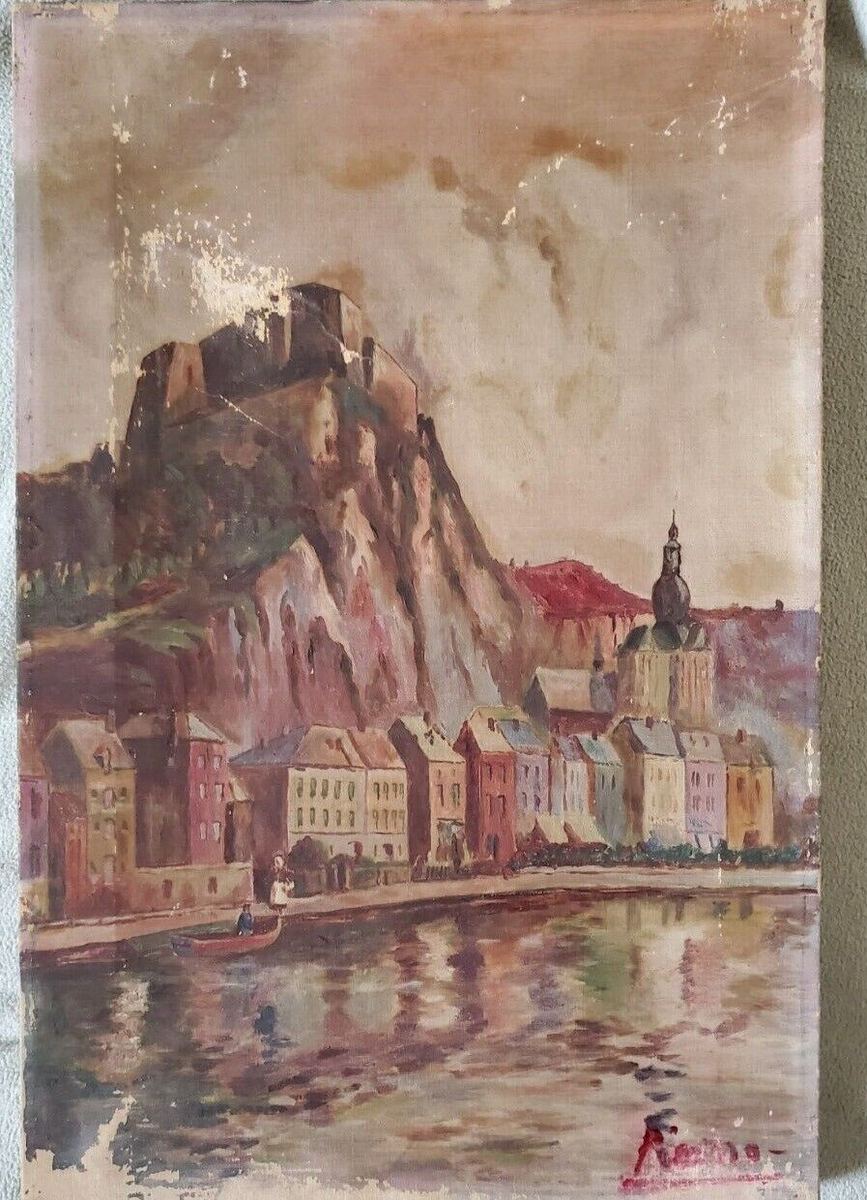
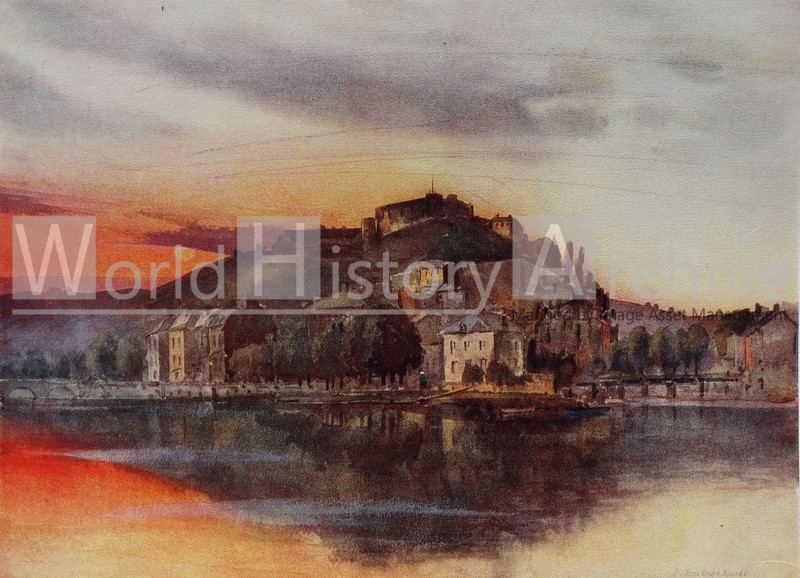
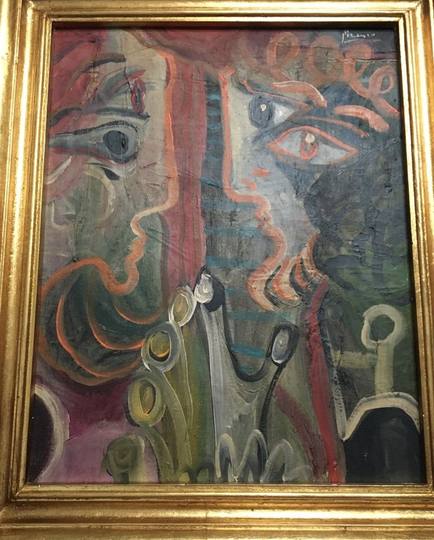
Artistic Analysis of A1
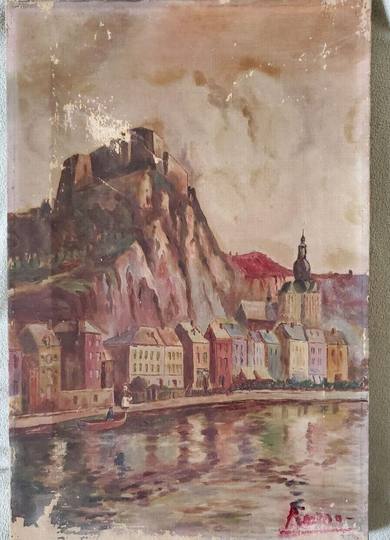
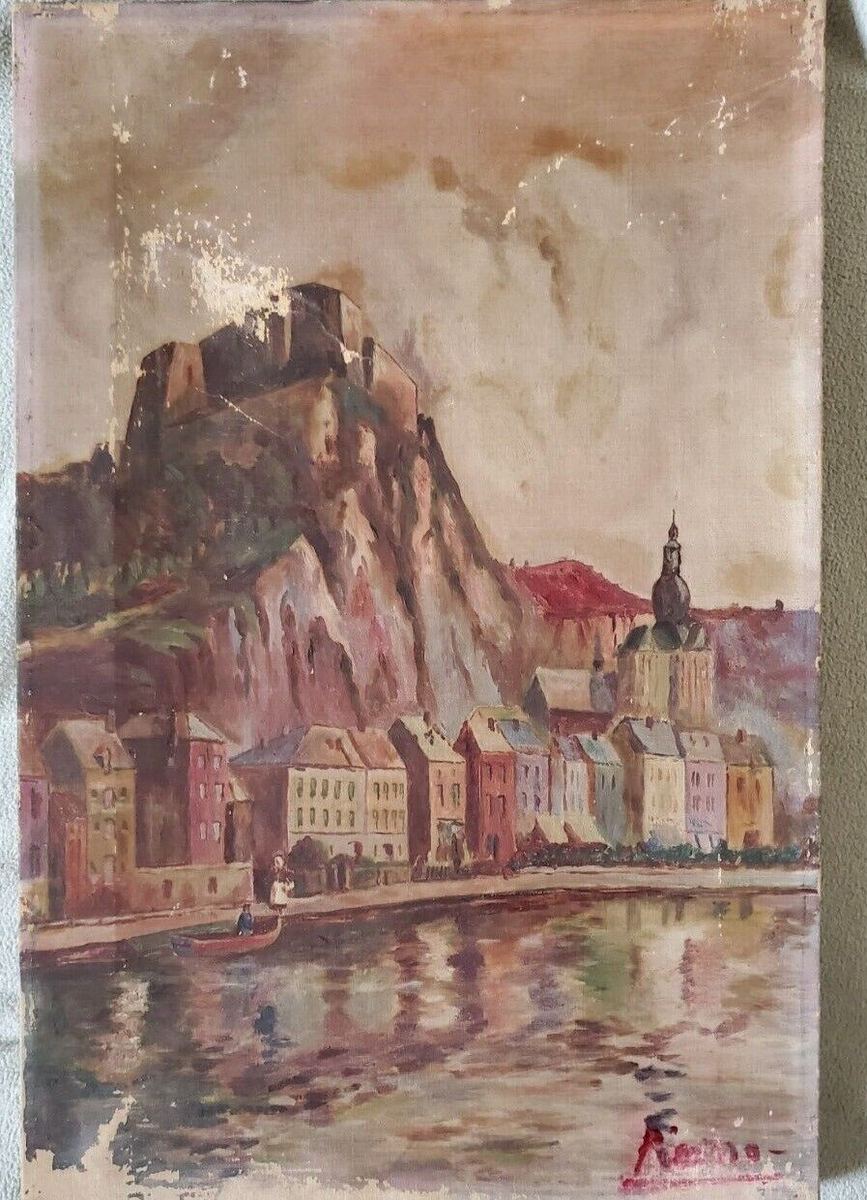
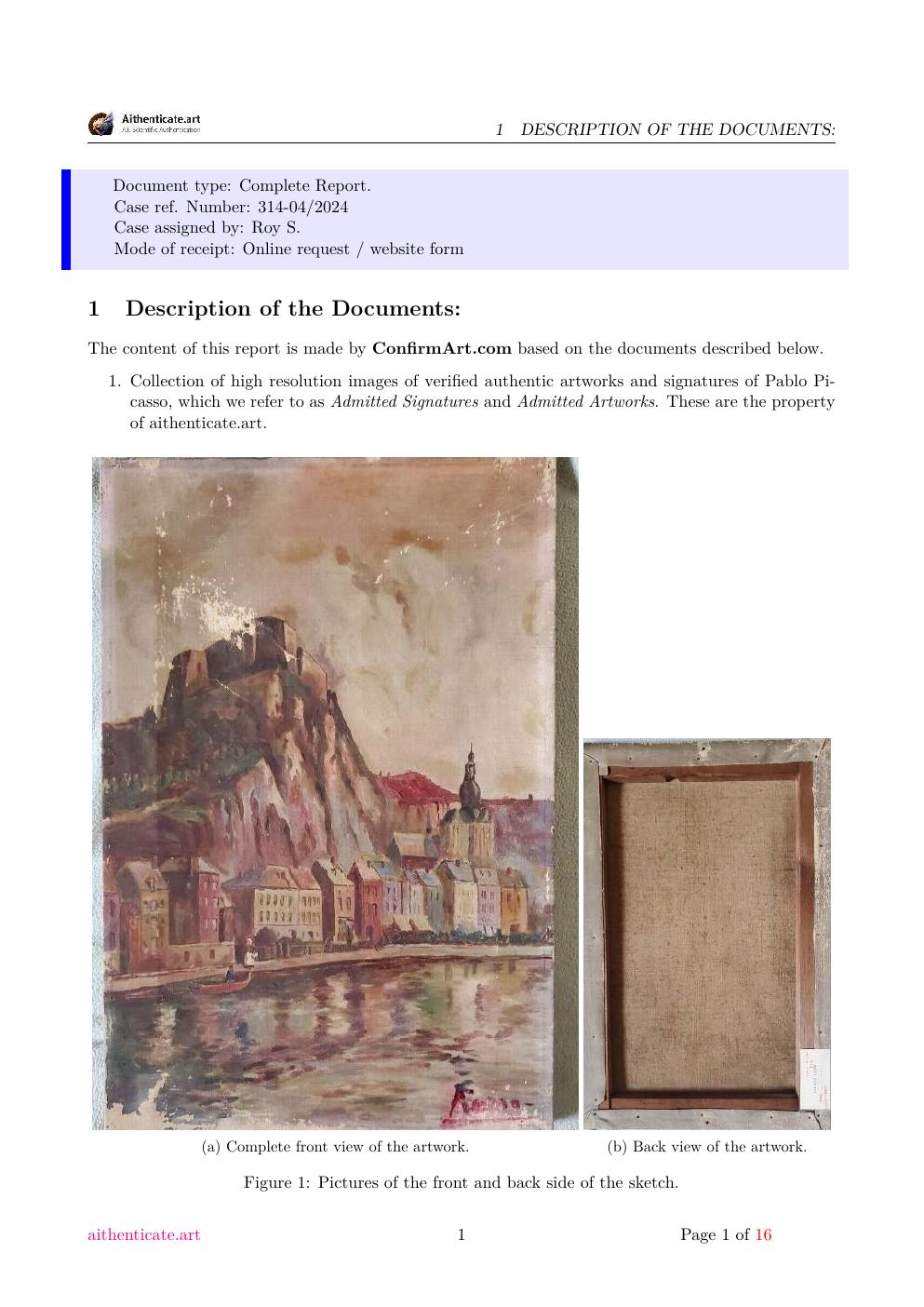
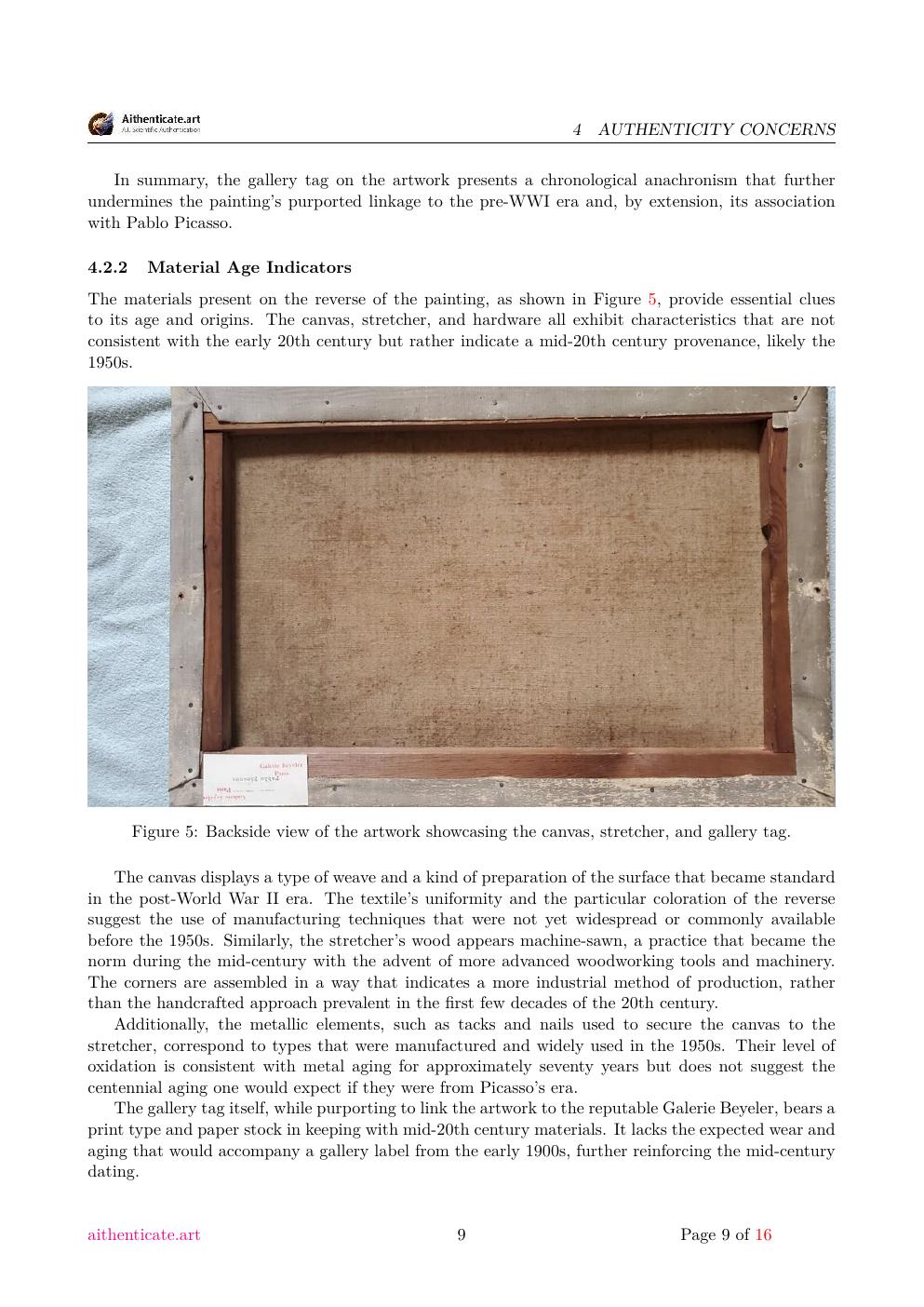
The painting designated as A1 presents several artistic elements that deviate significantly from the established periods of Picasso's artistic oeuvre. A meticulous analysis of the painting's stylistic features—including brushstroke direction, color choice, thematic content, and overall execution—reveals a composition more akin to Impressionist tendencies than to any phase of Picasso's career. The front view of artwork A1, exhibiting stylistic characteristics uncharacteristic of Picasso.
05
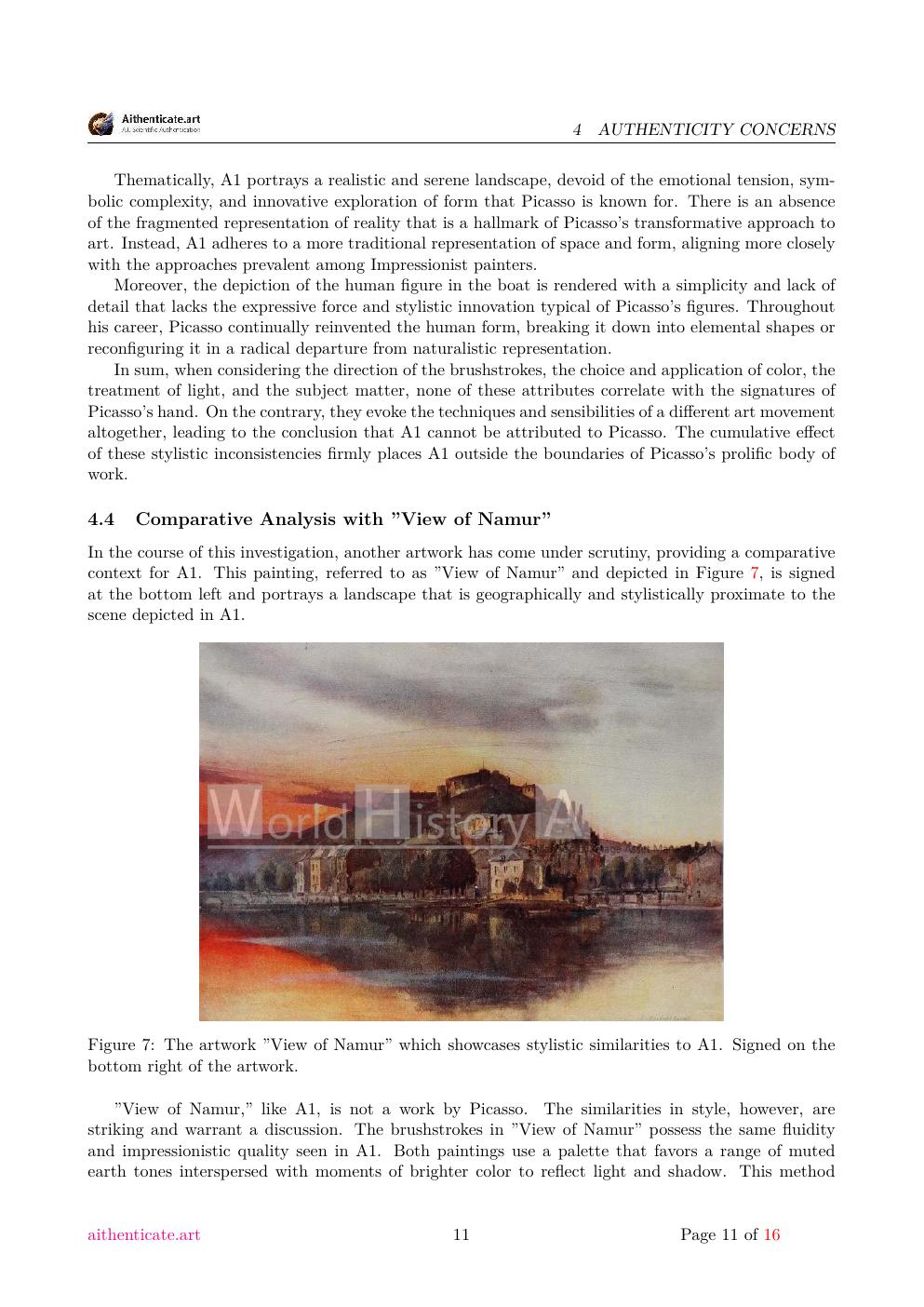
Comparative Analysis with "View of Namur"
In the course of this investigation, another artwork has come under scrutiny, providing a comparative context for A1. This painting, referred to as "View of Namur" and depicted in Figure , is signed at the bottom left and portrays a landscape that is geographically and stylistically proximate to the scene depicted in A1. The artwork "View of Namur" which showcases stylistic similarities to A1.
06
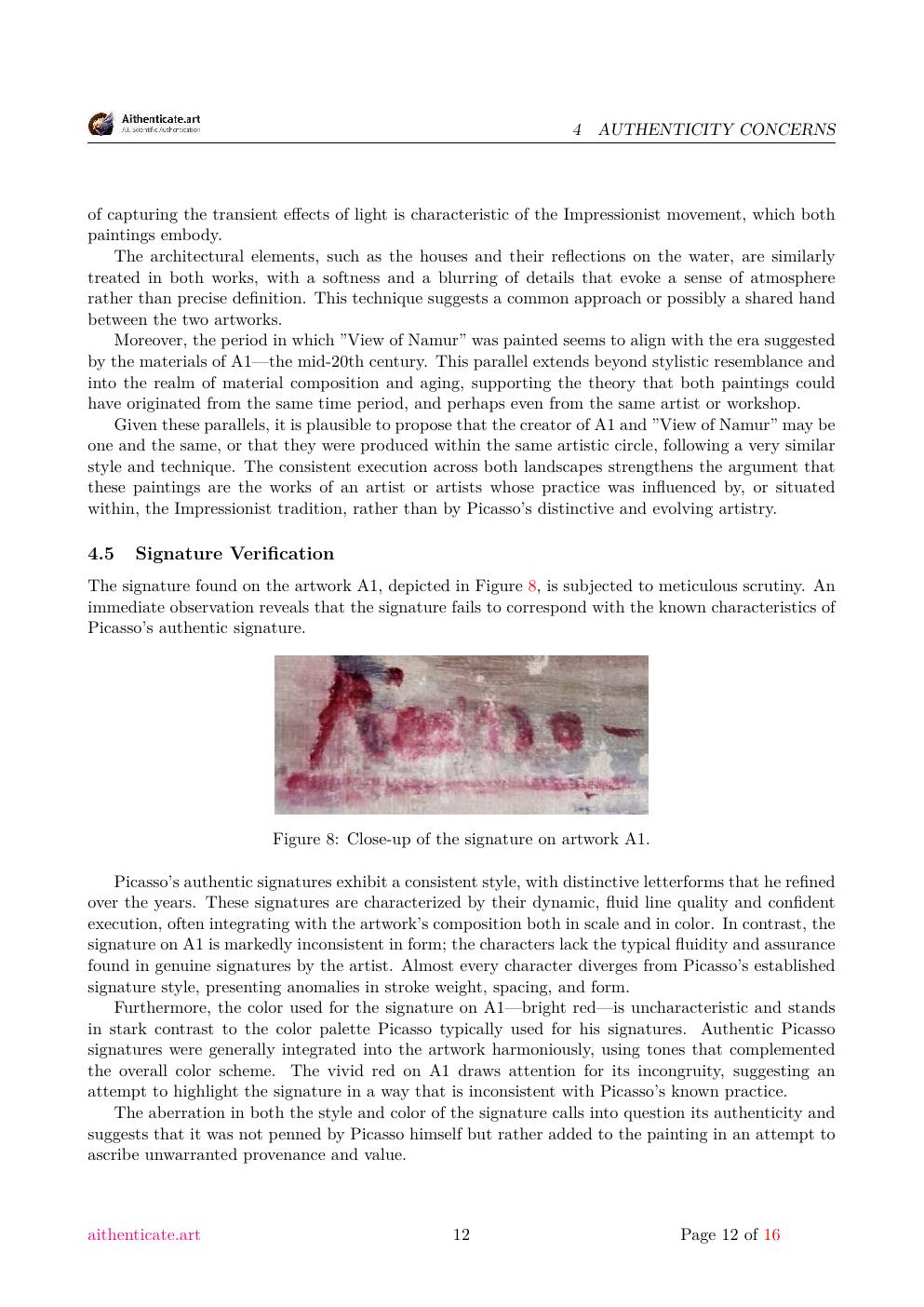
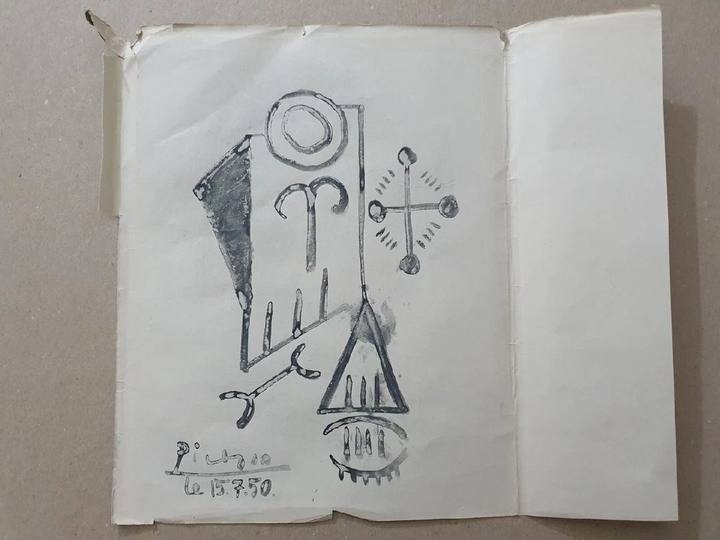
Signature Verification
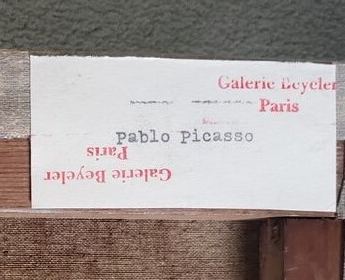
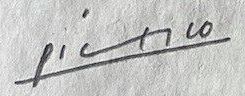
The signature found on the artwork A1, depicted in Figure , is subjected to meticulous scrutiny. An immediate observation reveals that the signature fails to correspond with the known characteristics of Picasso's authentic signature. Close-up of the signature on artwork A1.
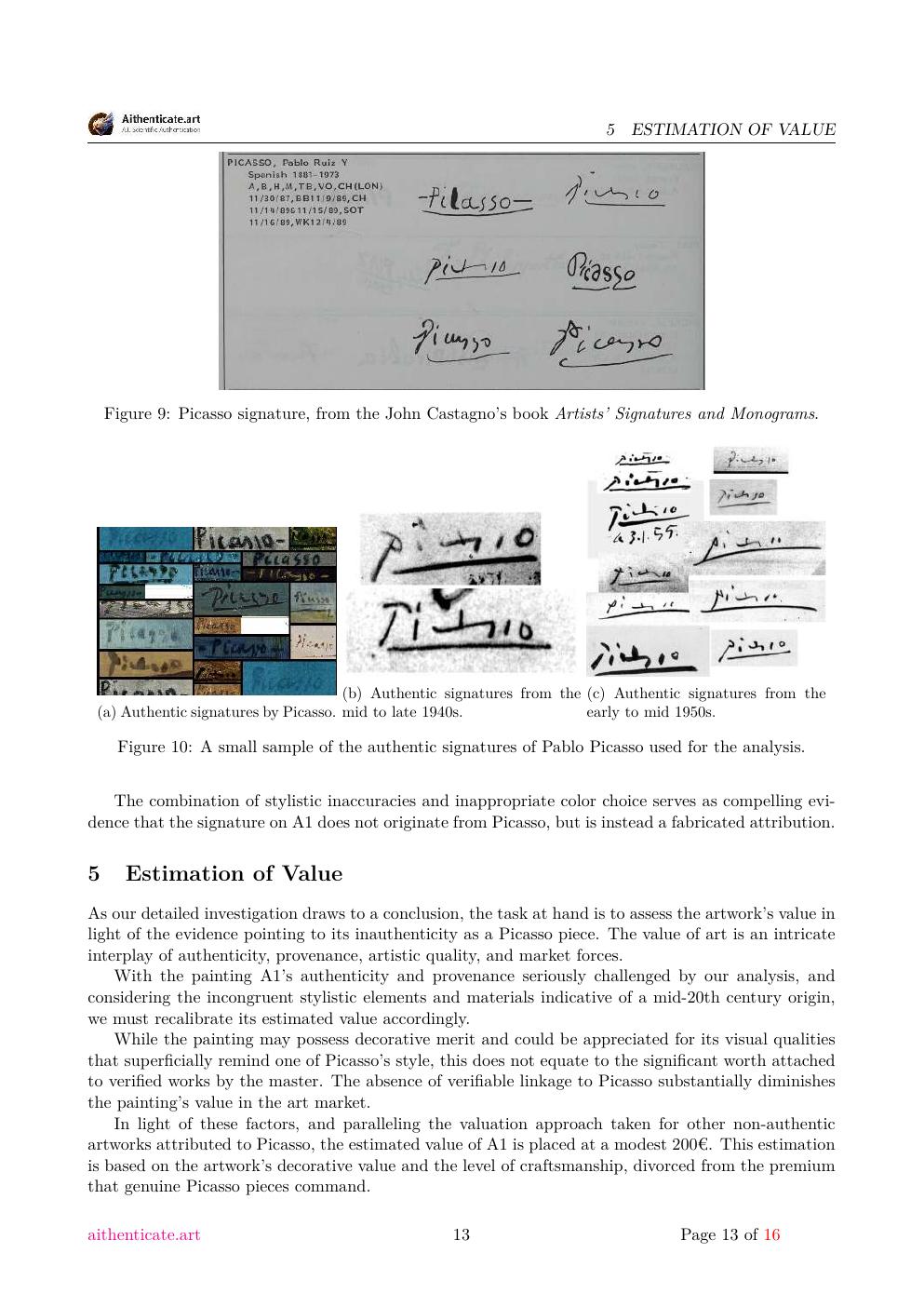
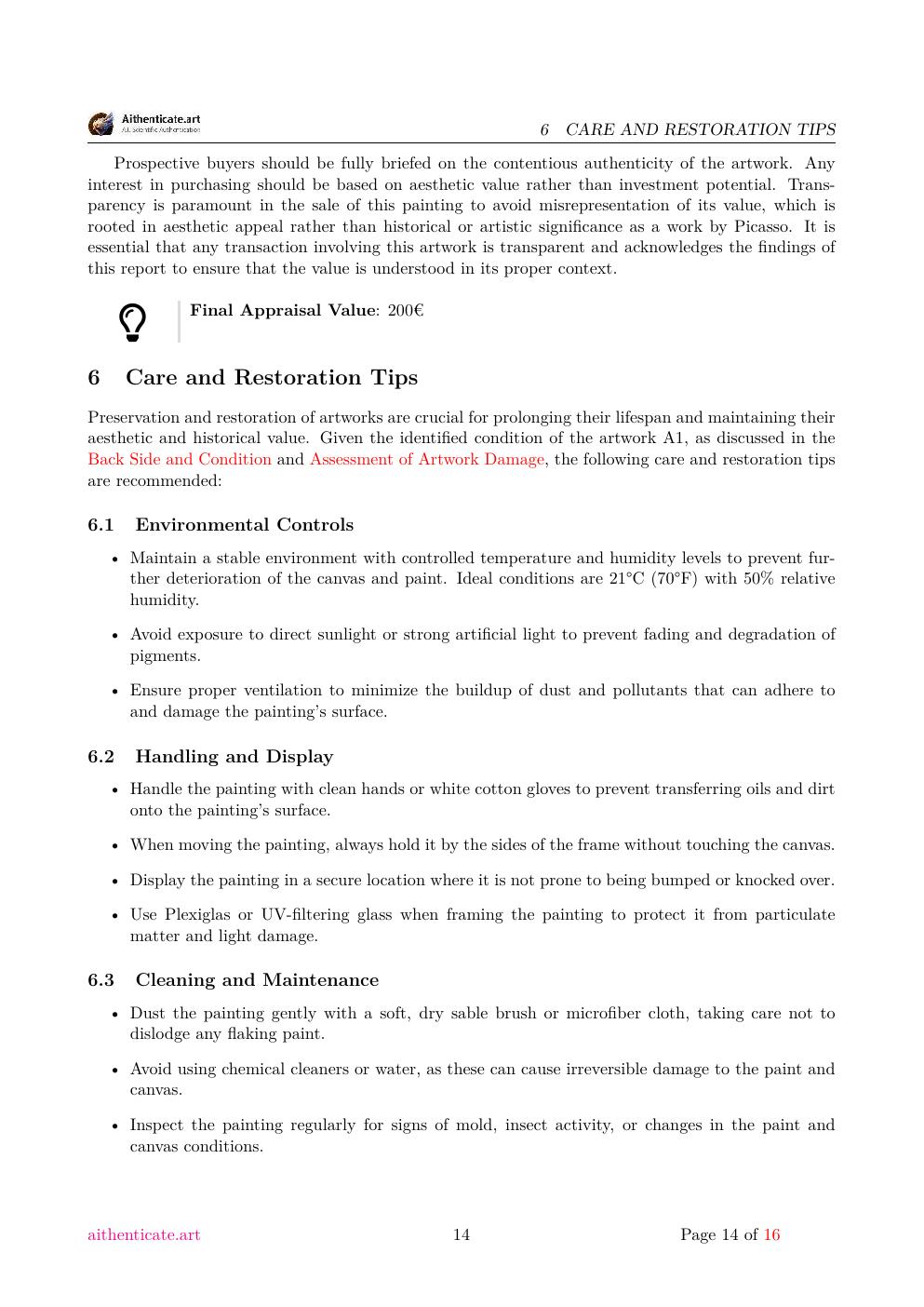
Signature evidence
Signature analysis reference tables
Signature VerificationThe signature found on the artwork A1, depicted in Figure , is subjected to meticulous scrutiny. An immediate observation reveals that the signature fails to correspond with the known characteristics of Picasso's authentic signature.
Authentication evidence
Selected close details from the human review
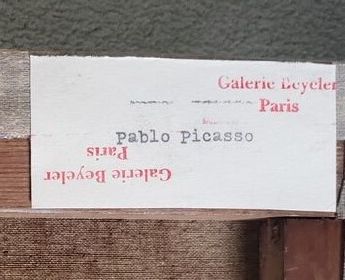
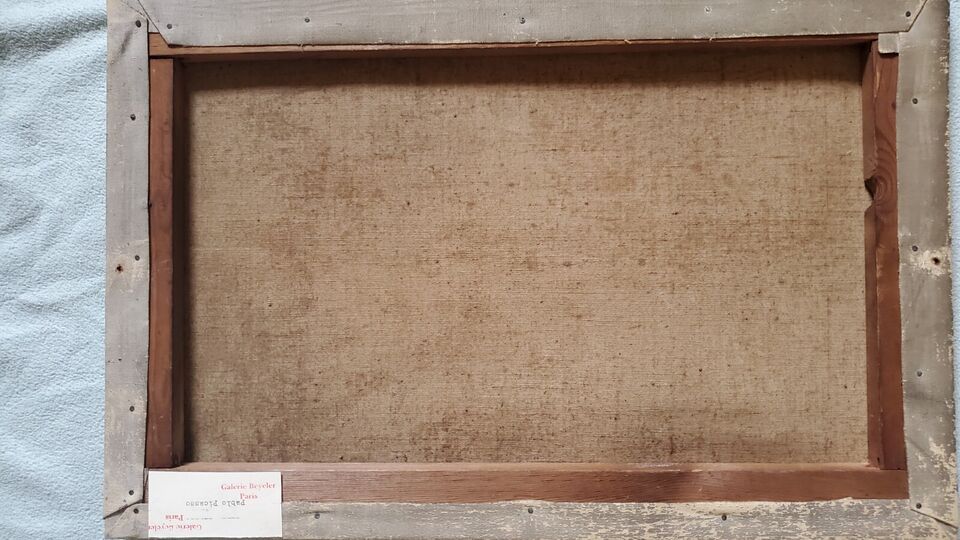
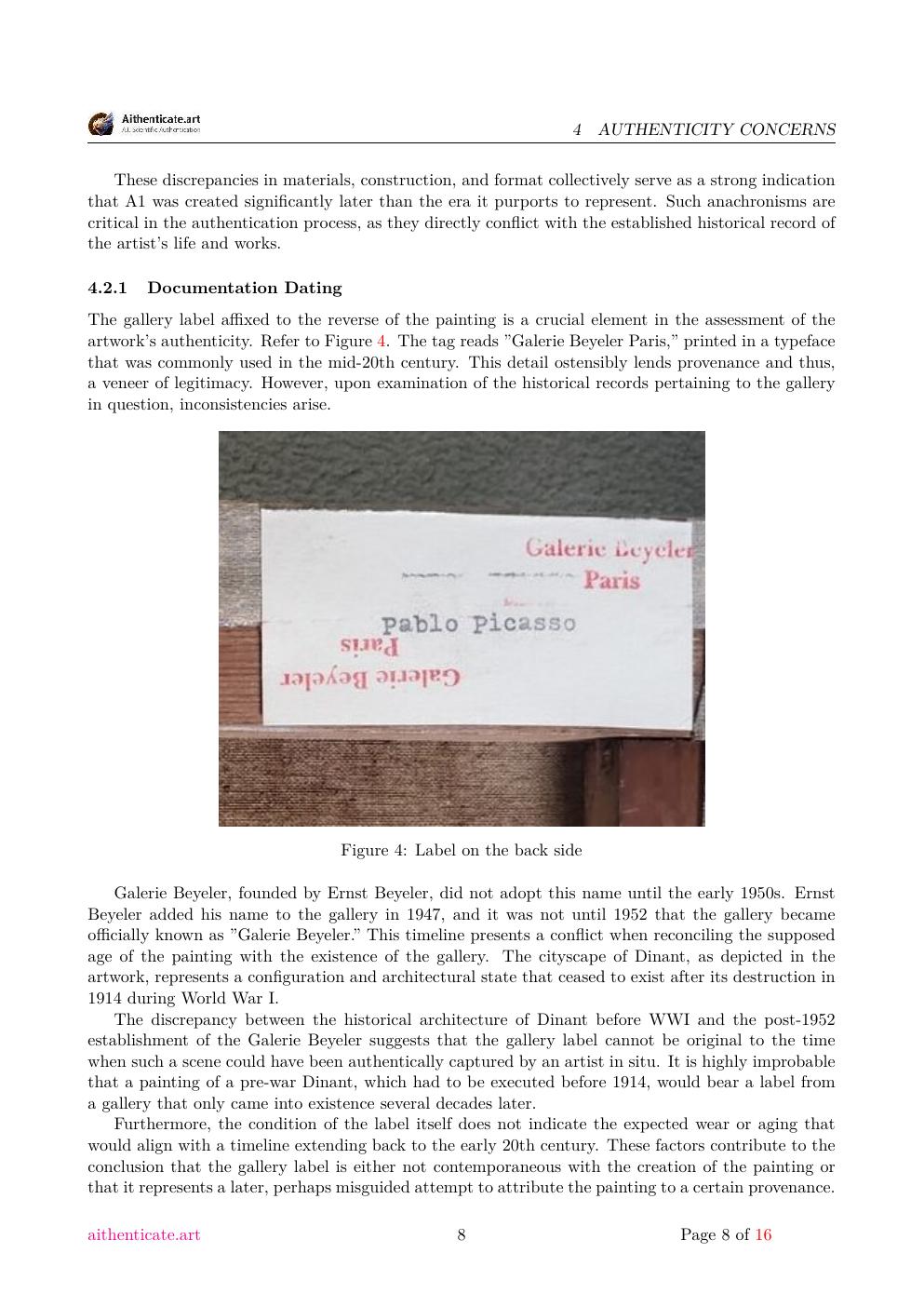
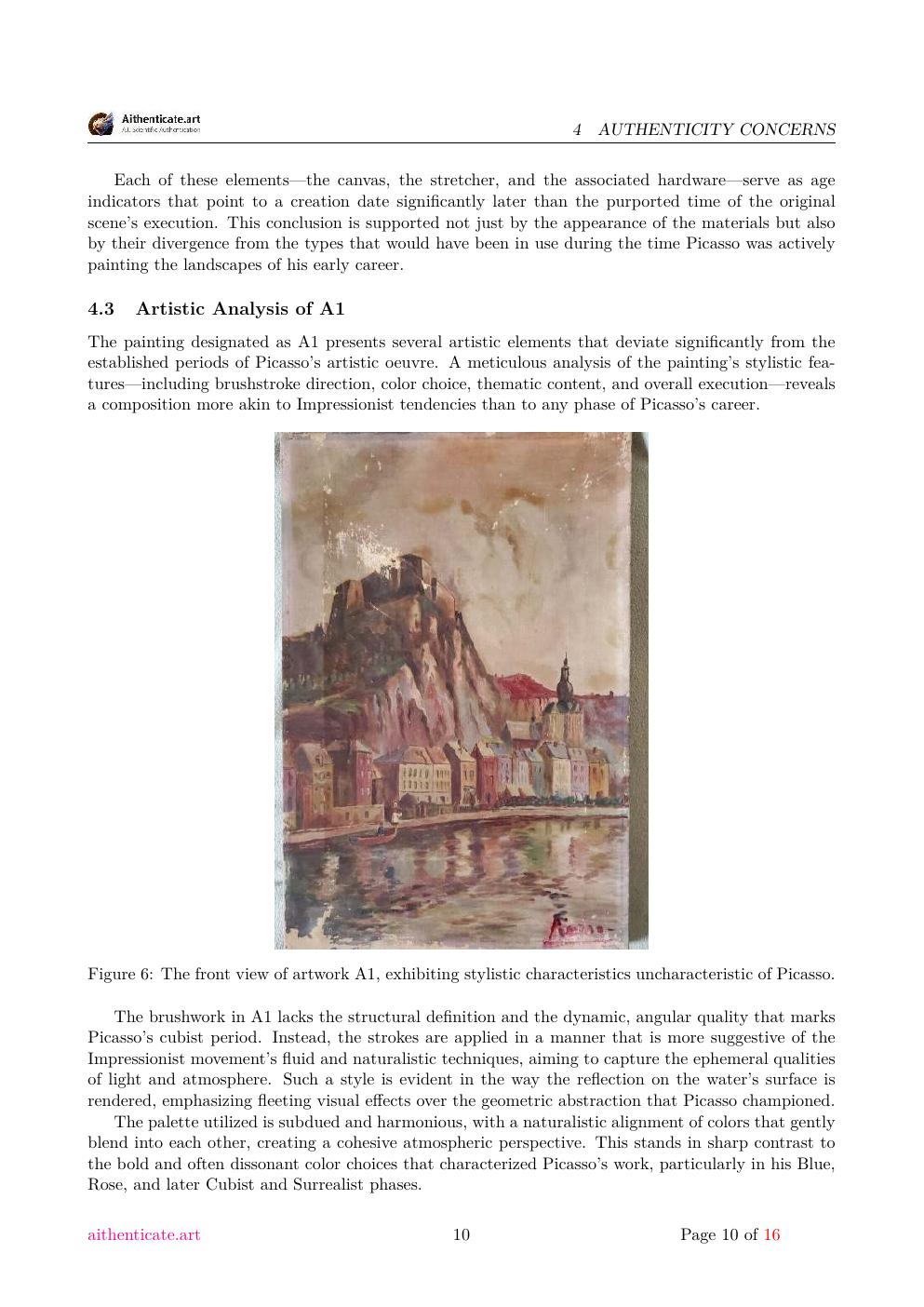
Comparative Analysis of Artwork ReproductionsUpon examination of the other painting depicting the same scene of Dinant, Belgium, shown in Figure we encounter a striking resemblance in subject matter yet notable discrepancies in execution that merit a closer investigation. The comparison of these two artworks presents a case study in the reproduction of images, a practice not uncommon in the art world, both historically anHistorical Context of DinantThe historical context of Dinant, Belgium, is pivotal to understanding the significance of the artwork's subject matter. The town, known for its picturesque setting and architectural landmarks, experienced profound transformation due to the events of World War I.Documentation DatingThe gallery label affixed to the reverse of the painting is a crucial element in the assessment of the artwork's authenticity. The tag reads "Galerie Beyeler Paris," printed in a typeface that was commonly used in the mid-20th century.Material Age IndicatorsThe materials present on the reverse of the painting, as shown in Figure , provide essential clues to its age and origins. The canvas, stretcher, and hardware all exhibit characteristics that are not consistent with the early 20th century but rather indicate a mid-20th century provenance, likely the 1950s.Comparative Analysis with "View of Namur"In the course of this investigation, another artwork has come under scrutiny, providing a comparative context for A1. This painting, referred to as "View of Namur" and depicted in Figure , is signed at the bottom left and portrays a landscape that is geographically and stylistically proximate to the scene depicted in A1.Signature VerificationThe signature found on the artwork A1, depicted in Figure , is subjected to meticulous scrutiny. An immediate observation reveals that the signature fails to correspond with the known characteristics of Picasso's authentic signature.
Private authentication
Submit your artwork for a ConfirmArt review
Use this real case as a reference for the kind of evidence that can be organized in a private authentication report.
The public browser receives rendered pages, not a native PDF viewer or direct PDF URL. Public pixels can still be screen-captured; private commissioned reports remain controlled client deliverables.
QR verification
Traceable real case
This real case has a stable verification URL and source fingerprints. The QR code resolves to the public verification record for this case.
Only your email and service selection are needed to submit the request. Optional images, dimensions and notes can be added now or later.
Payment is requested only for the Authentication report. Catalogue search, advisory, restoration and local inspection requests are reviewed first so the scope can be confirmed.
Authentication is a human expert review. ConfirmArt may use AI for bounded research support such as database, image, book or provenance searches, but not as a classifier verdict.
Complete front image
Reverse, support, frame and condition details
Signature, inscriptions, labels or seals
Invoices, certificates, provenance or catalogues
Comparative images, references or previous opinions, if available