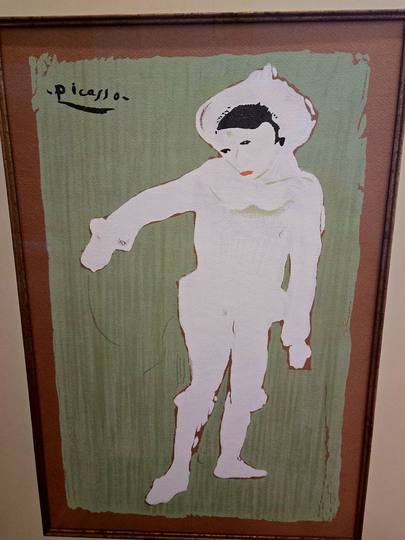
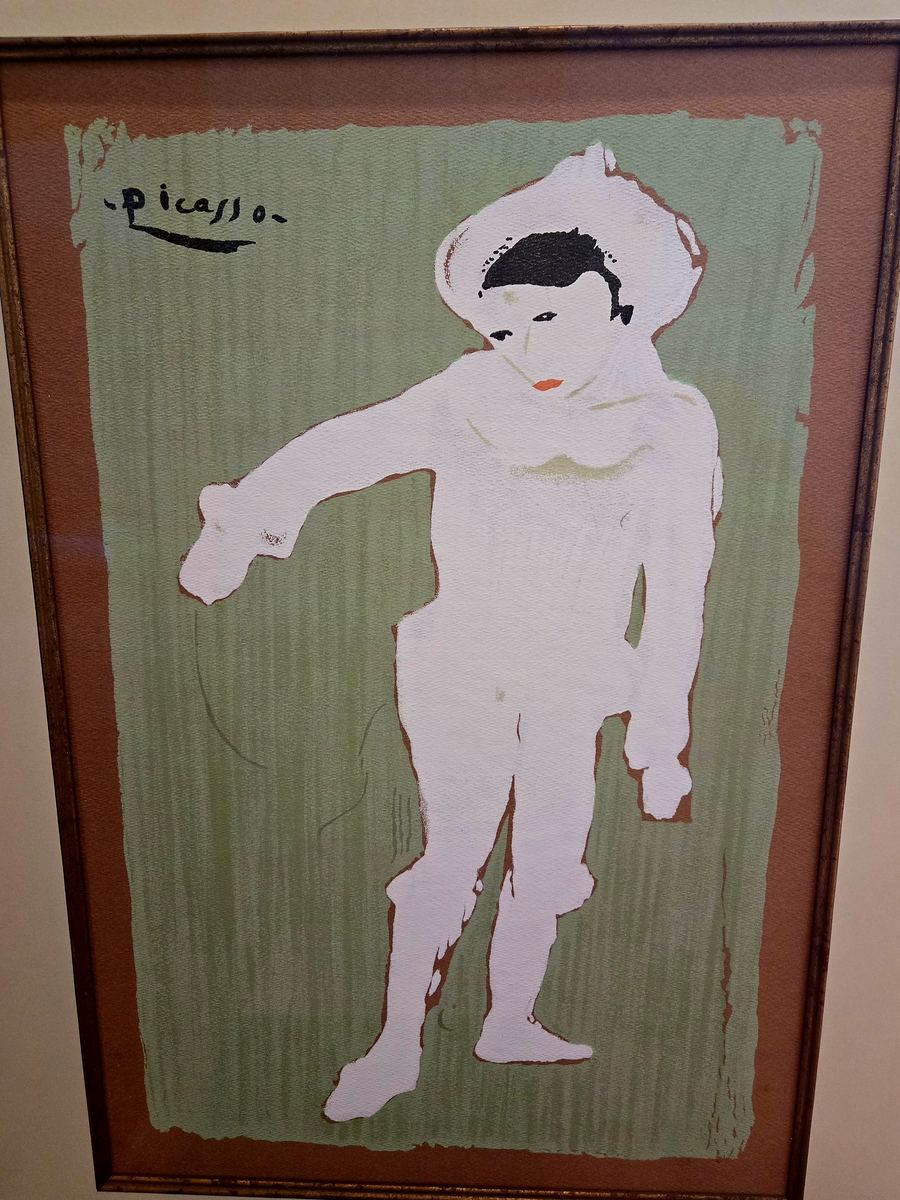
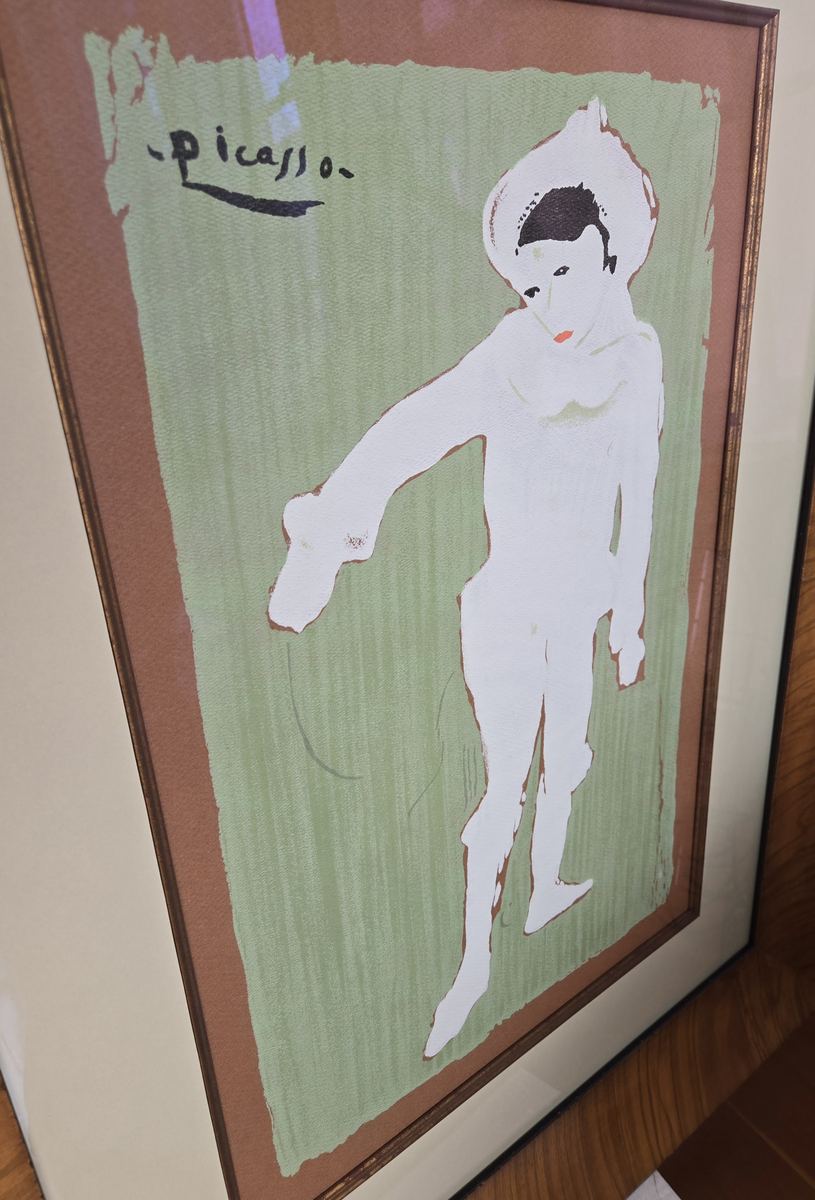
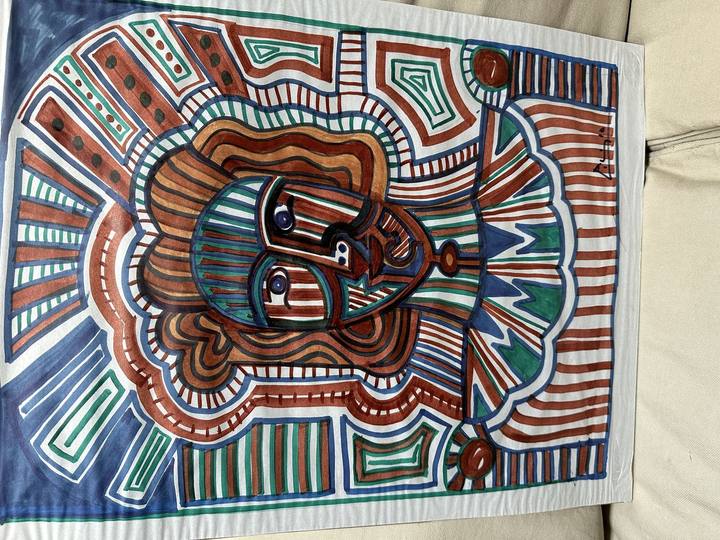
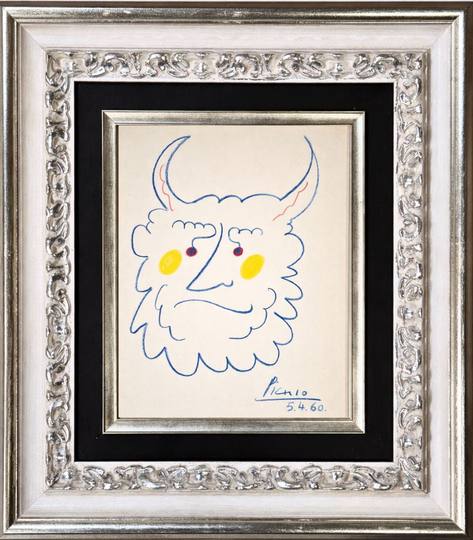
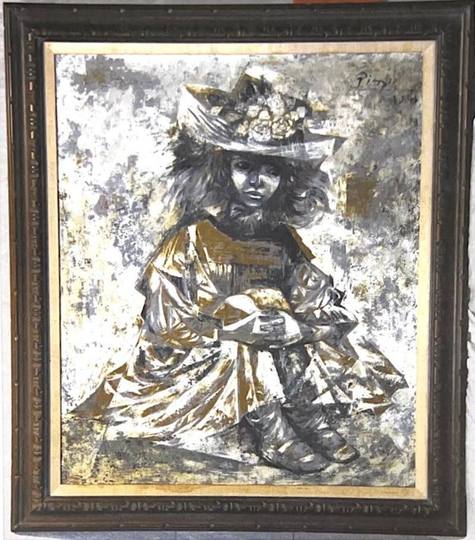
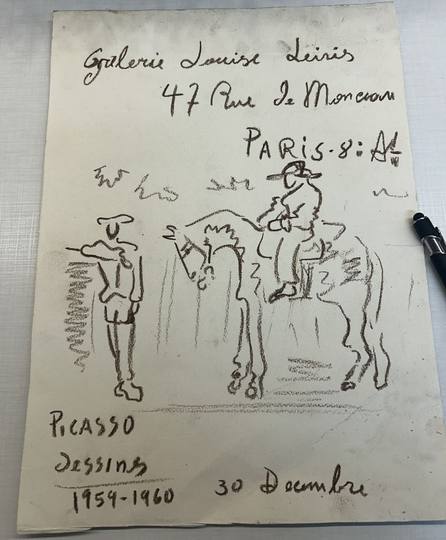
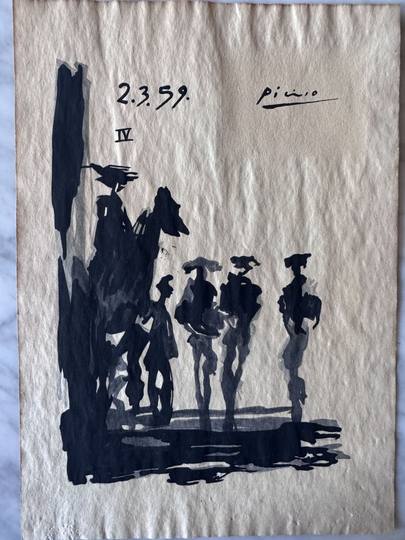
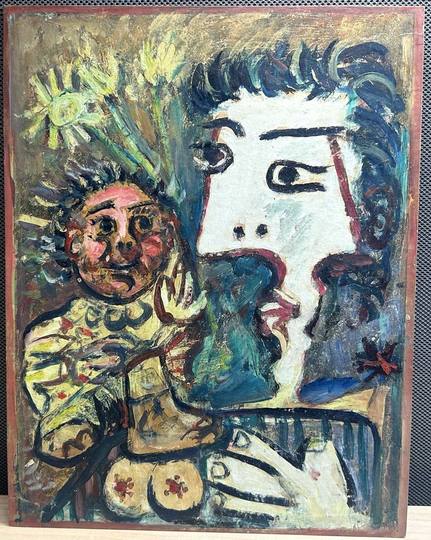
Real client case reviewed by ConfirmArt for Little Pierrot, attributed or related to Pablo Picasso. The public page presents selected visual evidence and a rendered report viewer without exposing the private commissioned PDF.
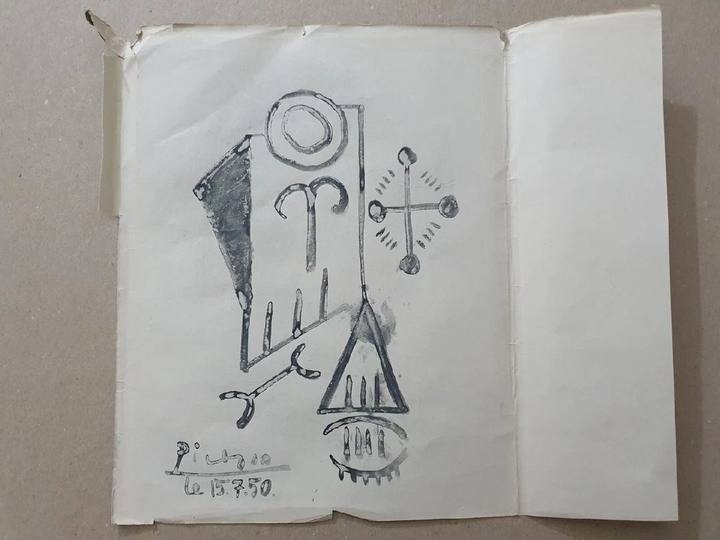
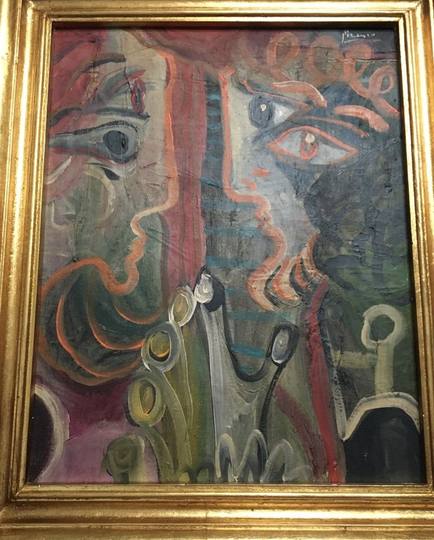
Pablo Picasso authentication evidence image 1: Little PierrotPablo Picasso authentication evidence image 2: Little PierrotPablo Picasso authentication evidence image 3: Little PierrotPablo Picasso authentication evidence image 4: Little PierrotPablo Picasso authentication evidence image 5: Little PierrotPablo Picasso authentication evidence image 6: Little PierrotPablo Picasso authentication evidence image 7: Little Pierrot
Report structure
Section summaries
01
Artwork Description
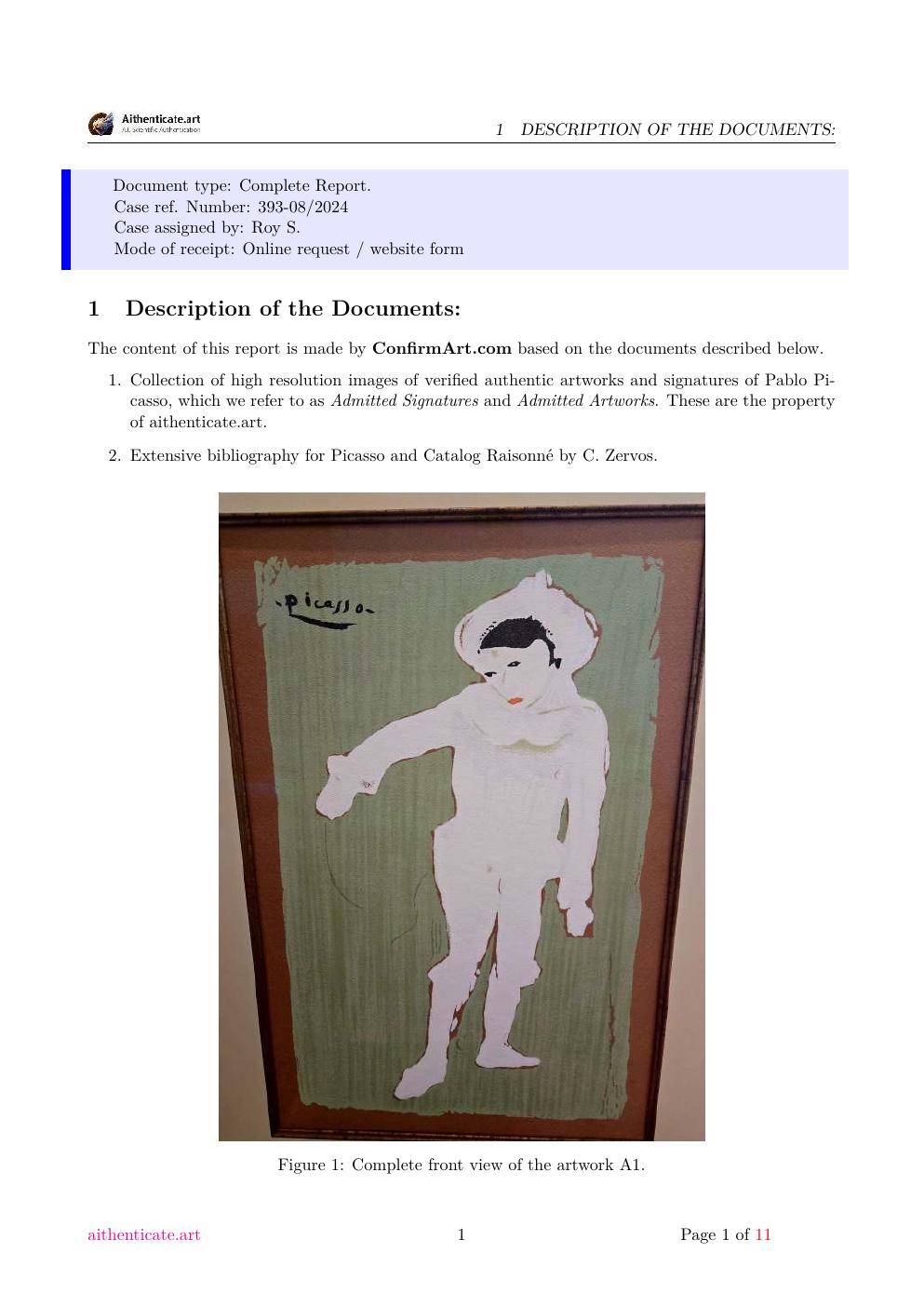
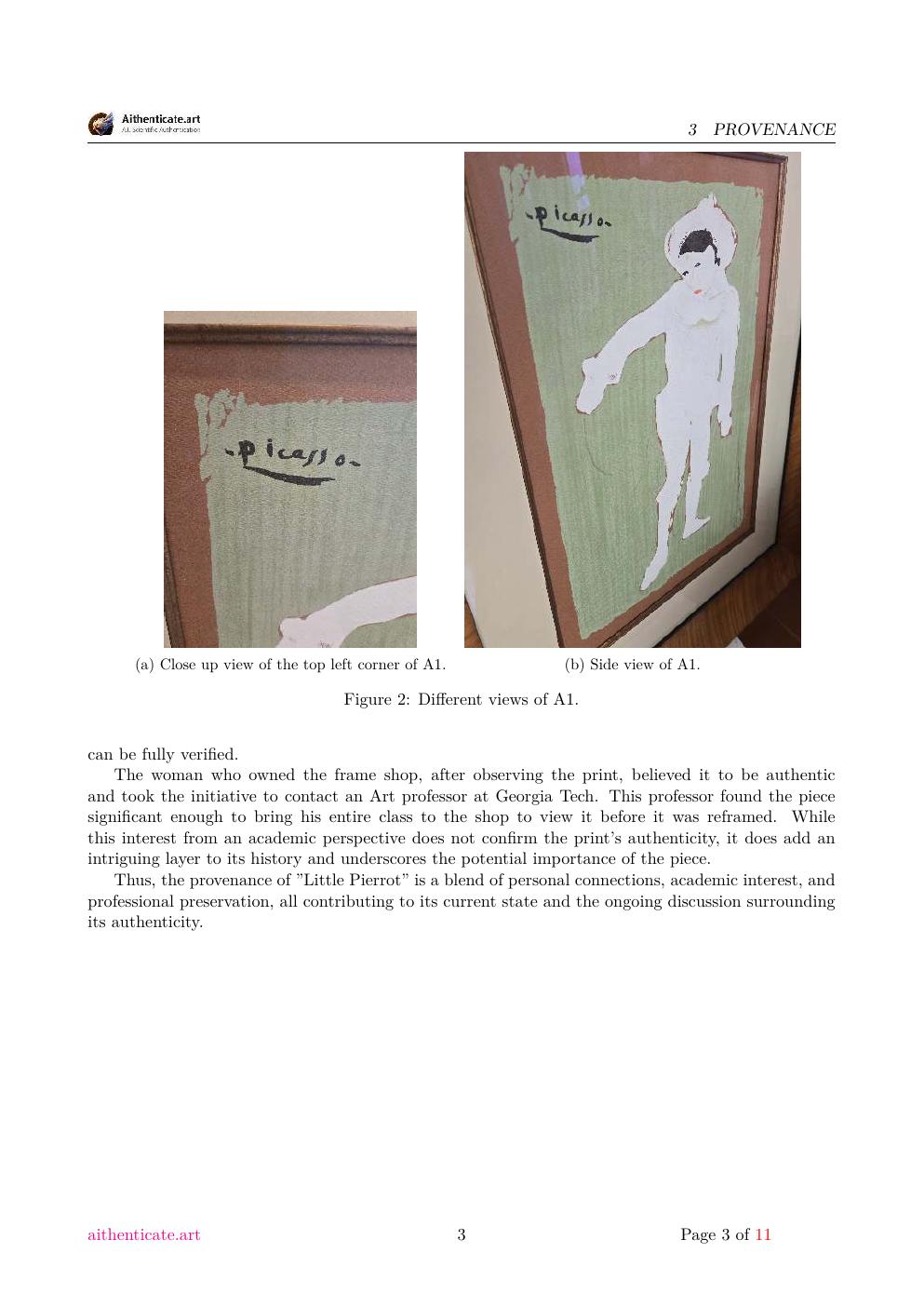
The artwork, titled "Little Pierrot," measures 18x24 inches and captures the essence of Picasso's exploration of simplified forms and expressive color palettes. Dominated by a of a young Pierrot, the composition is marked by a minimalist approach, both in its depiction of the human form and in its use of color. The stands against a background of muted green, rendered with a delicate, almost ethereal quality that contrasts with the stark whiteness of the itself.
02
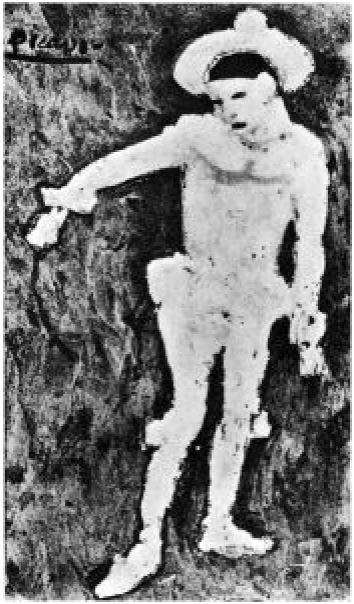
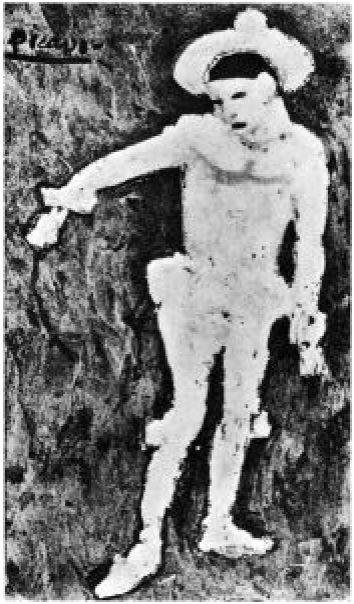
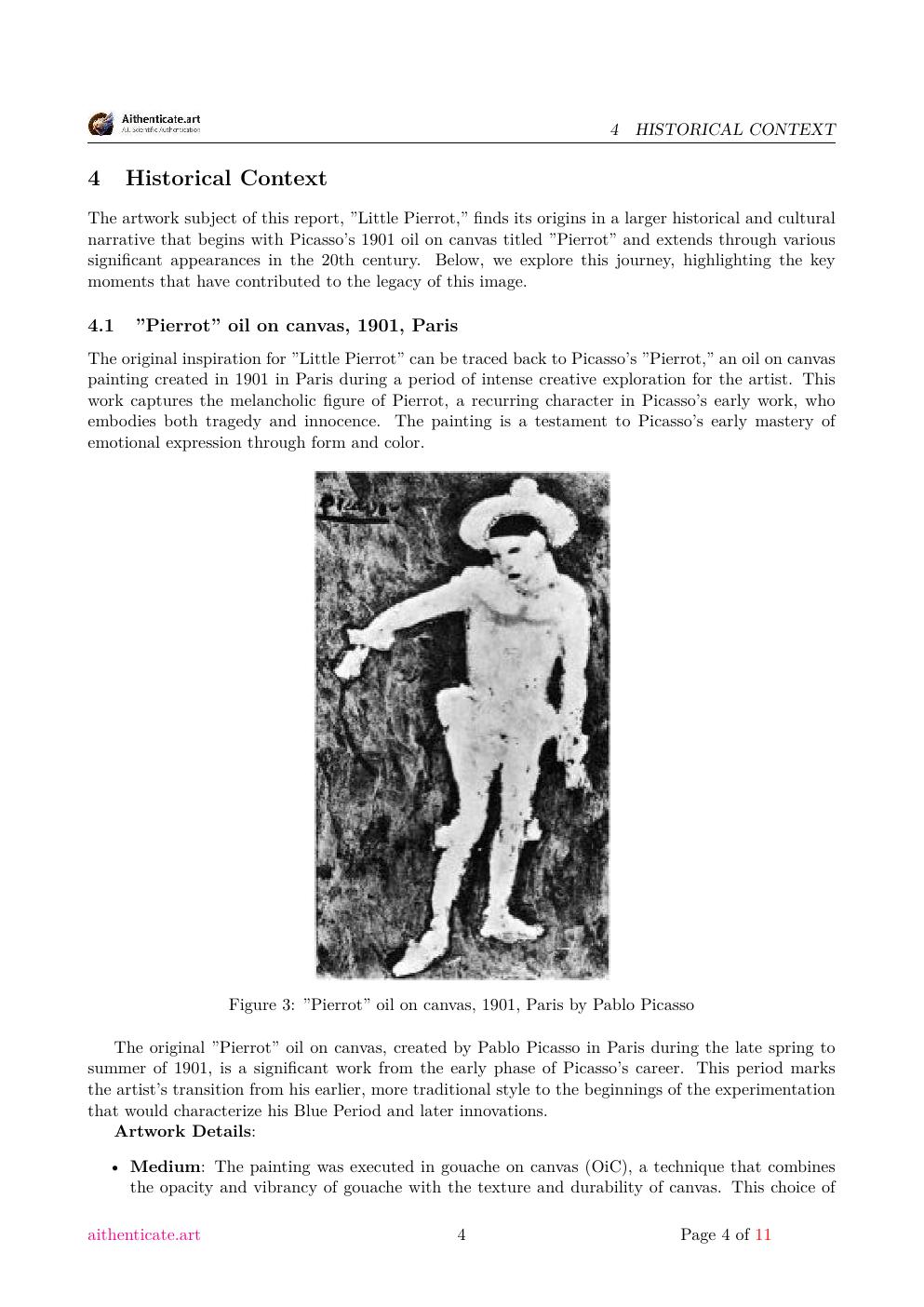
"Pierrot" oil on canvas, 1901, Paris
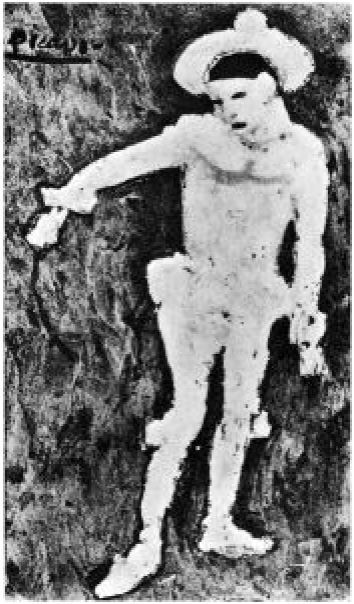
The original inspiration for "Little Pierrot" can be traced back to Picasso's "Pierrot," an oil on canvas painting created in 1901 in Paris during a period of intense creative exploration for the artist. This work captures the melancholic of Pierrot, a recurring character in Picasso's early work, who embodies both tragedy and innocence. The painting is a testament to Picasso's early mastery of emotional expression through form and color.
03
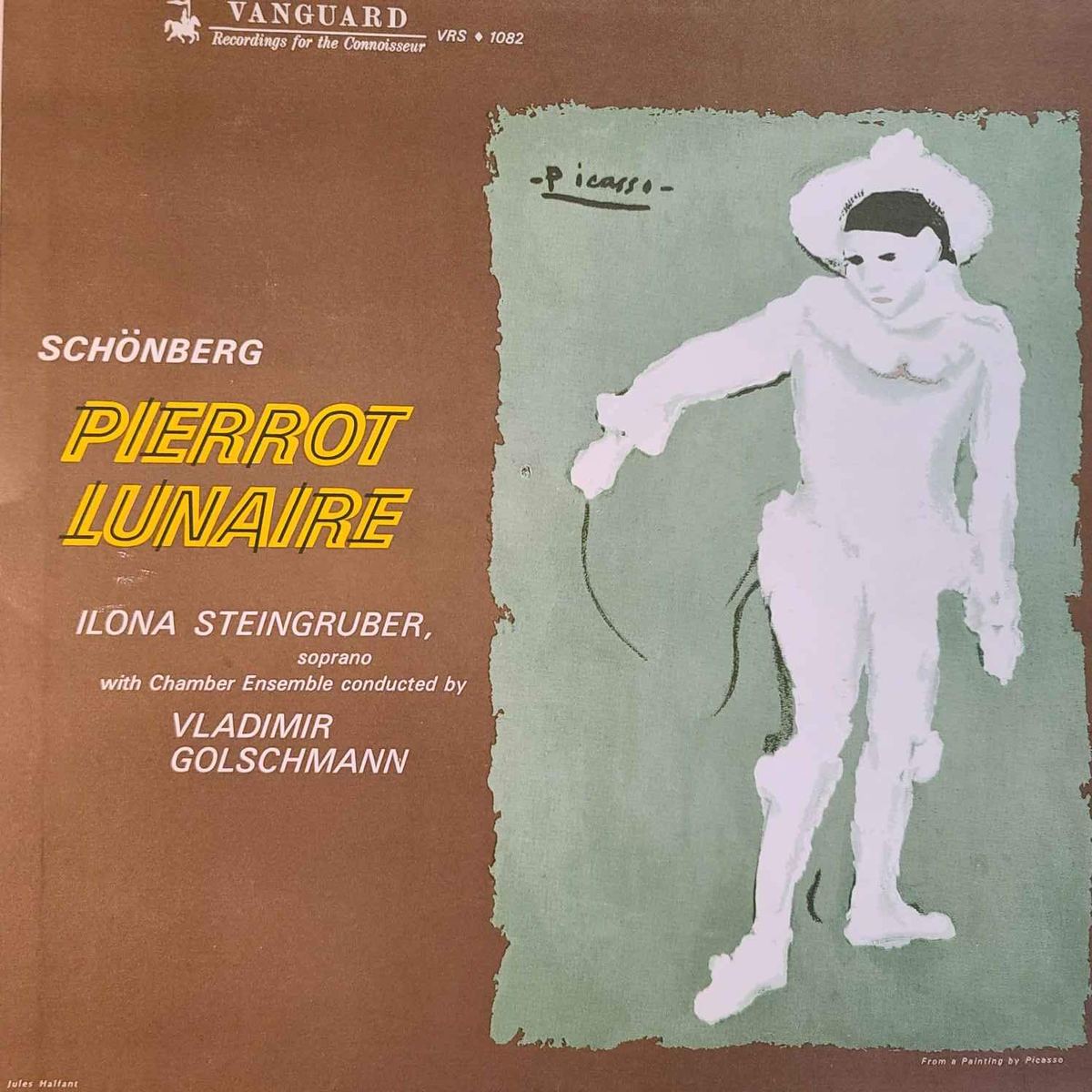
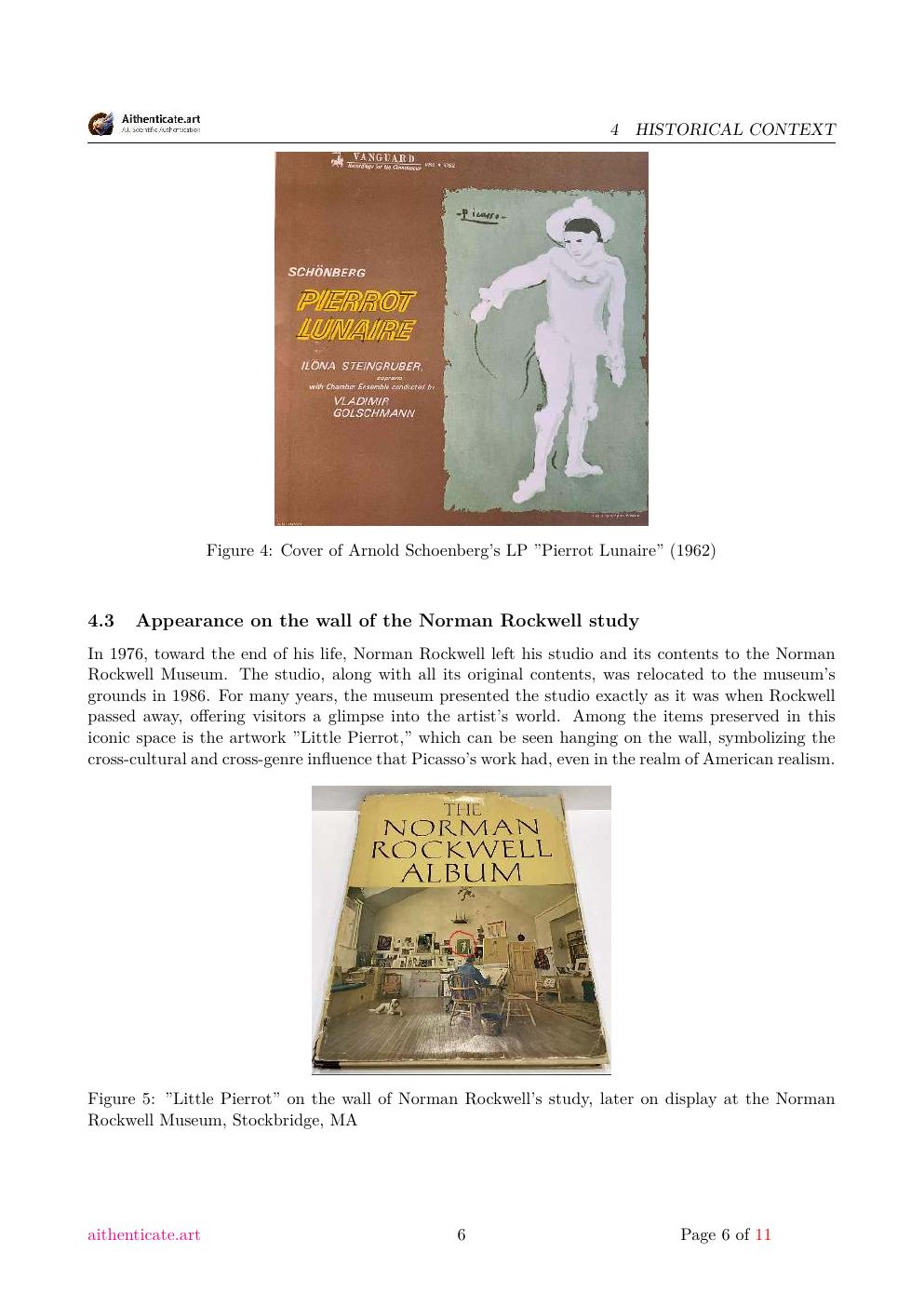
Arnold Schoenberg's LP "Pierrot Lunaire" from 1962
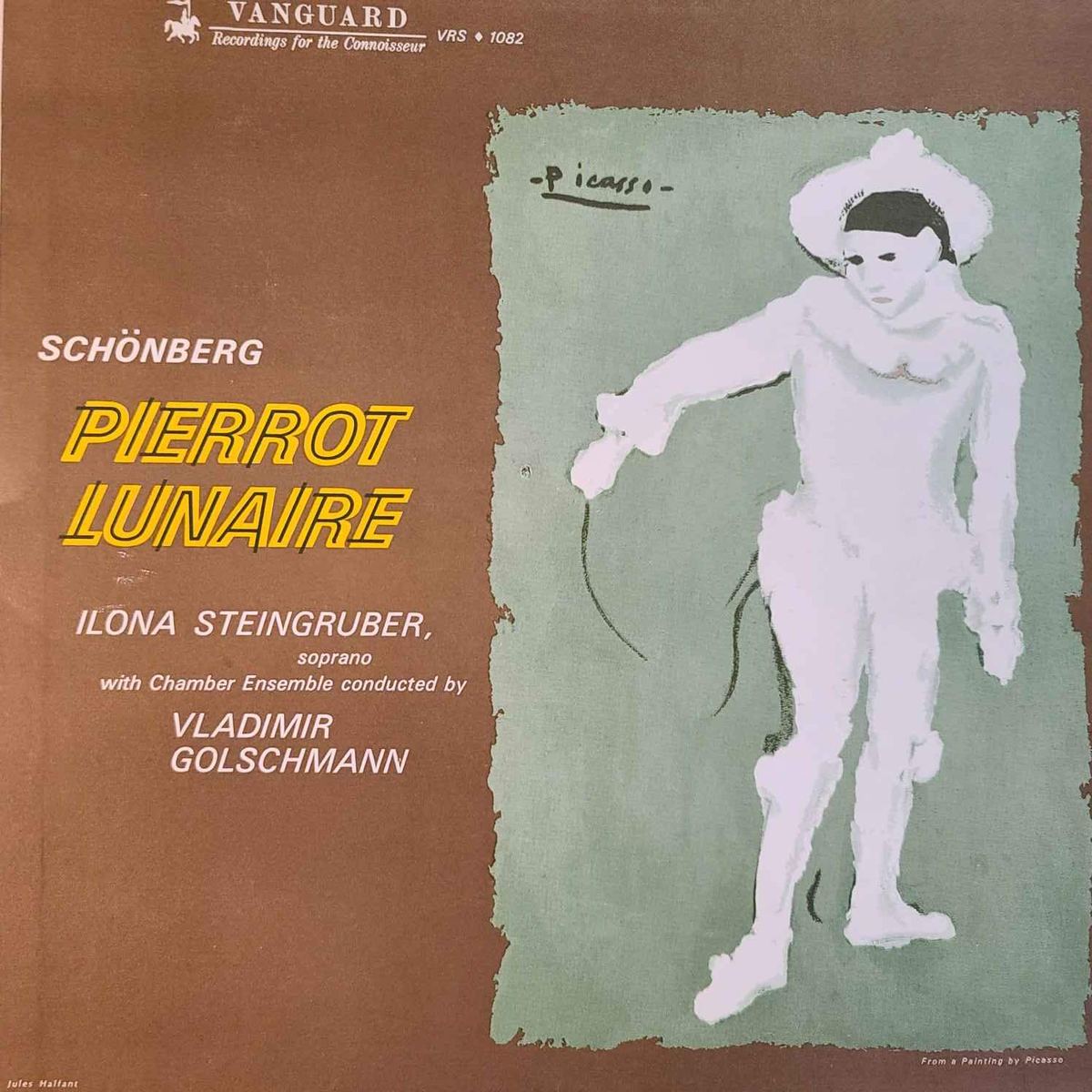
The image of "Little Pierrot" surfaced in popular culture with its appearance on the cover of Arnold Schoenberg's 1962 LP, "Pierrot Lunaire." This album, featuring soprano Ilona Steingruber and conducted by Vladimir Golschmann, is a seminal recording of Schoenberg's atonal masterpiece. The choice to use Picasso's Pierrot on the cover underscores the cultural resonance of the image, linking Schoenberg's avant-garde music with Picasso's exploration of the melancholic and the surreal. Cover of Arnold Schoenberg's LP "
04
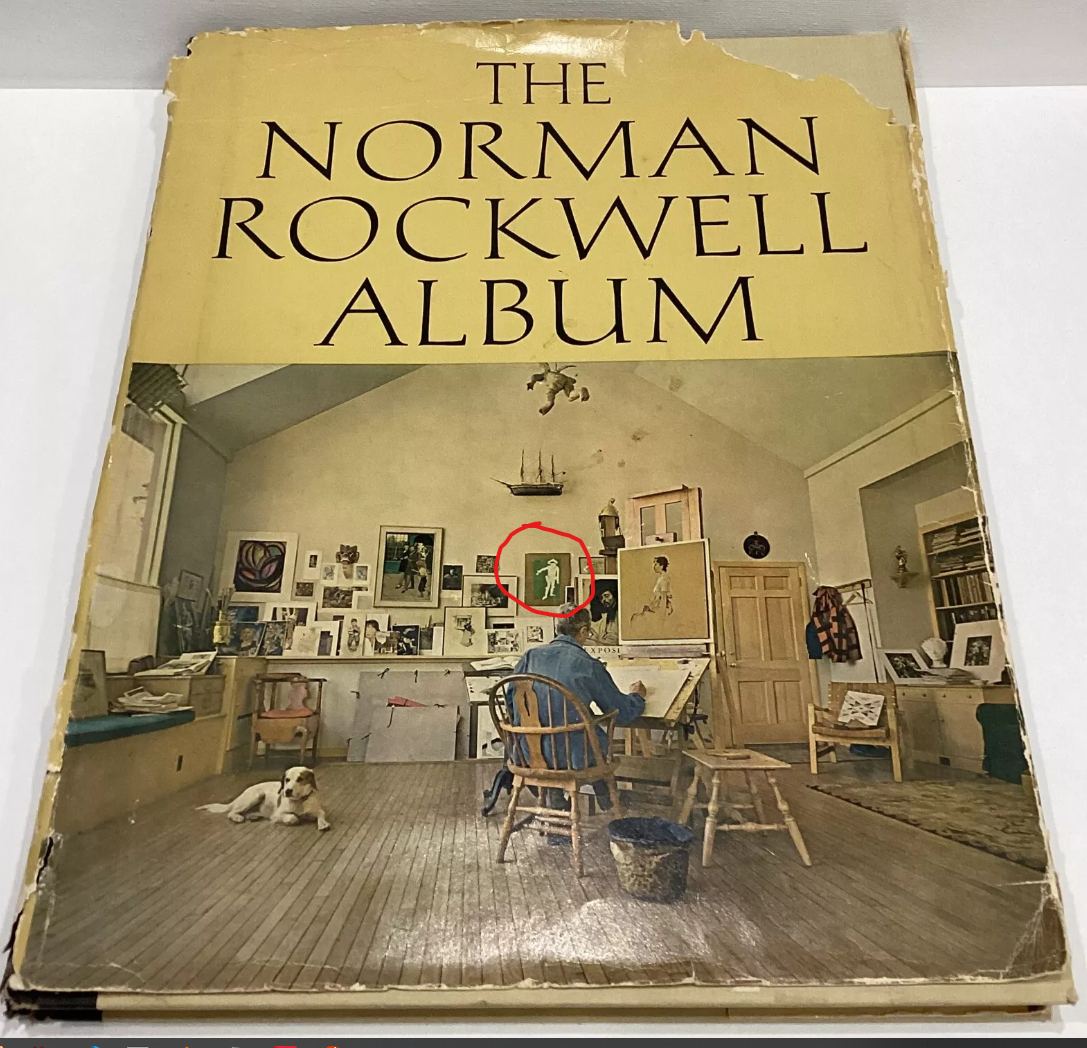
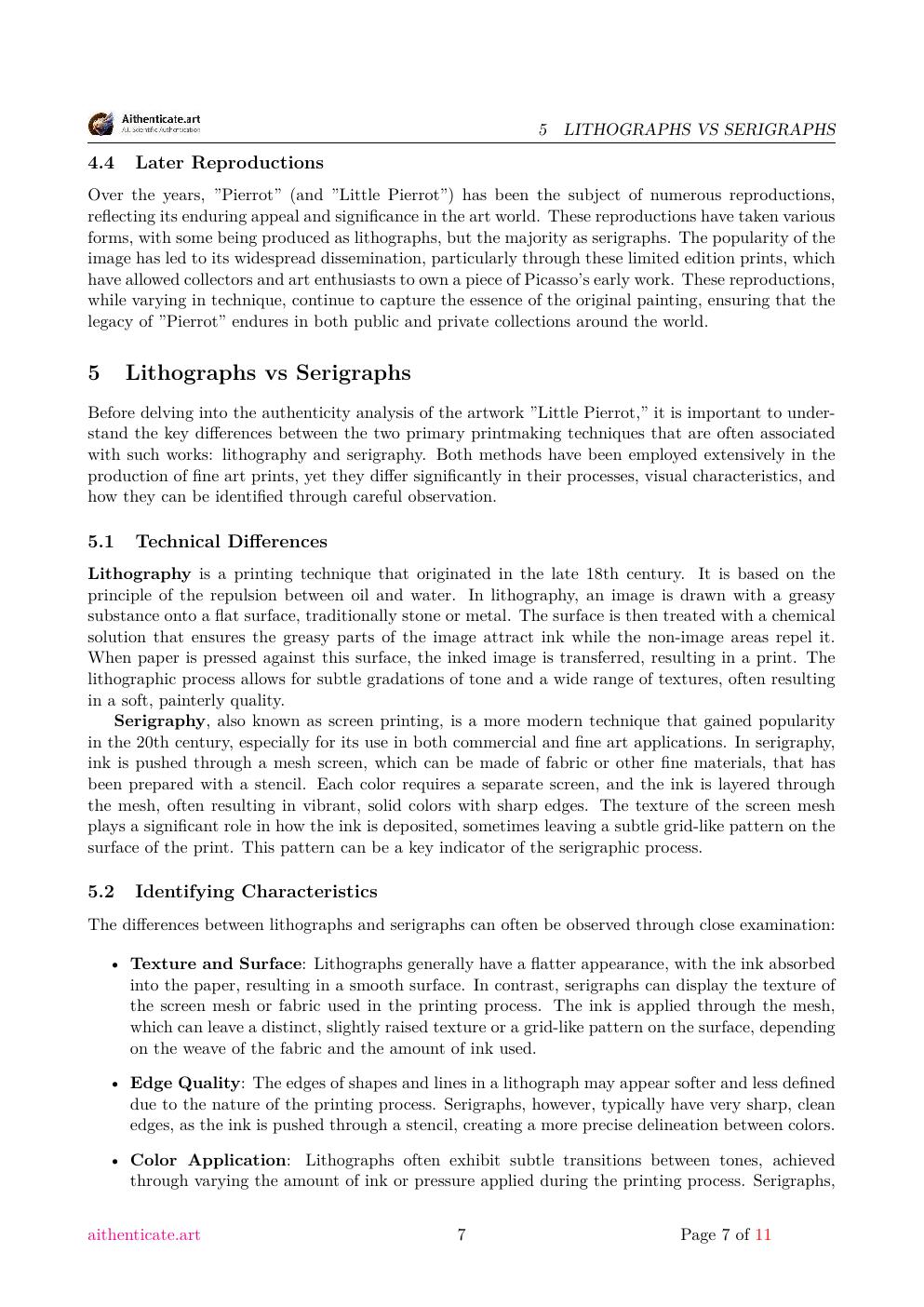
Appearance on the wall of the Norman Rockwell study
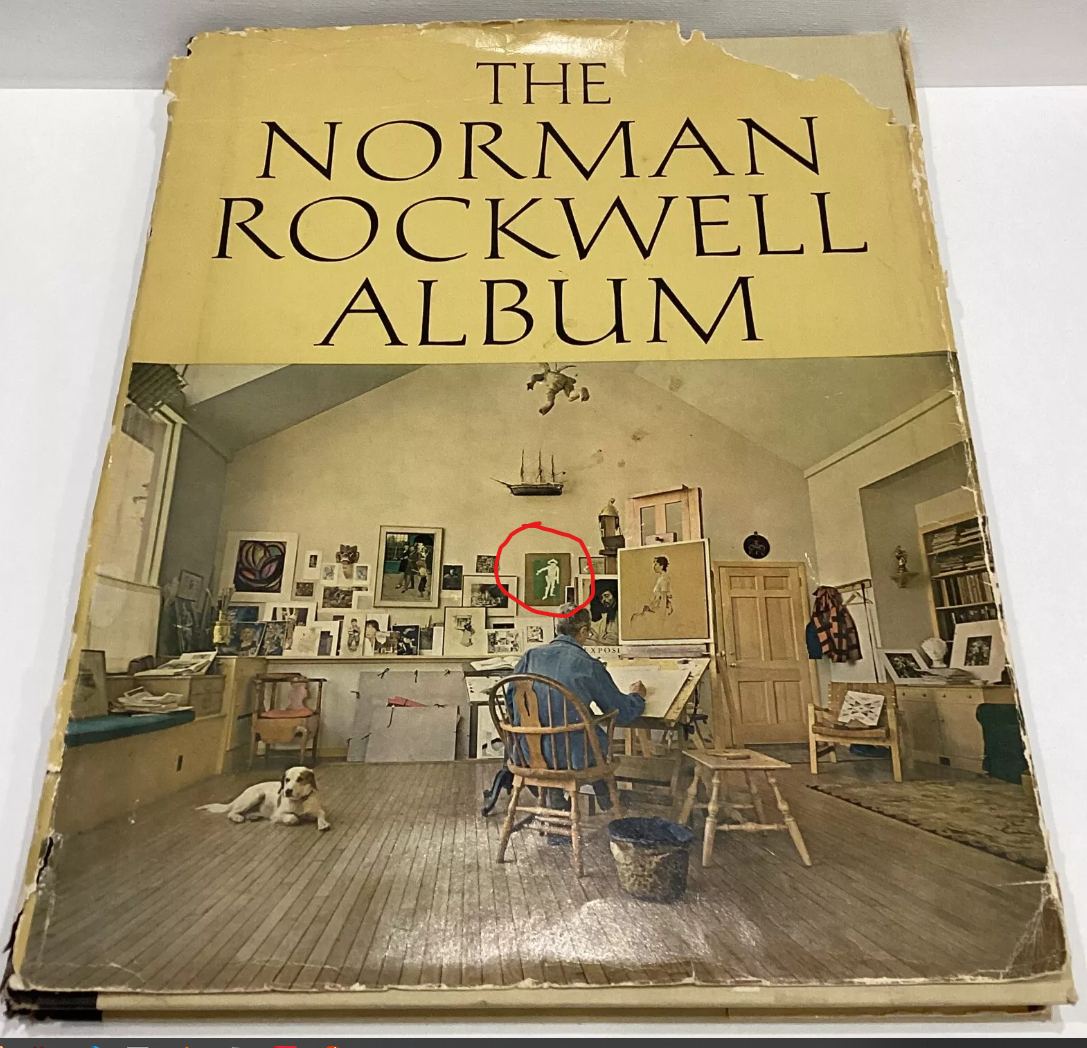
In 1976, toward the end of his life, Norman Rockwell left his studio and its contents to the Norman Rockwell Museum. The studio, along with all its original contents, was relocated to the museum's grounds in 1986. For many years, the museum presented the studio exactly as it was when Rockwell passed away, offering visitors a glimpse into the artist's world.
05
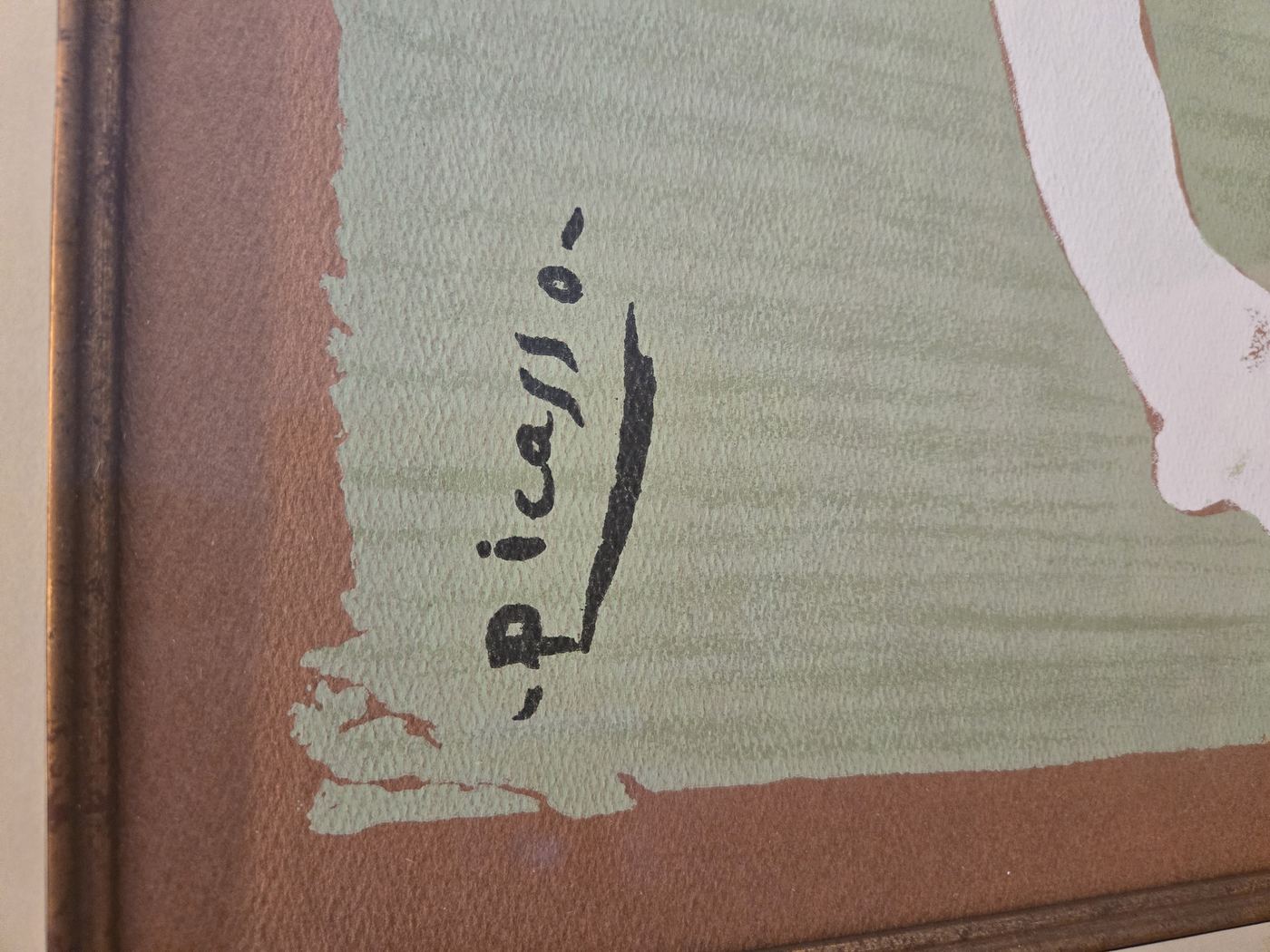
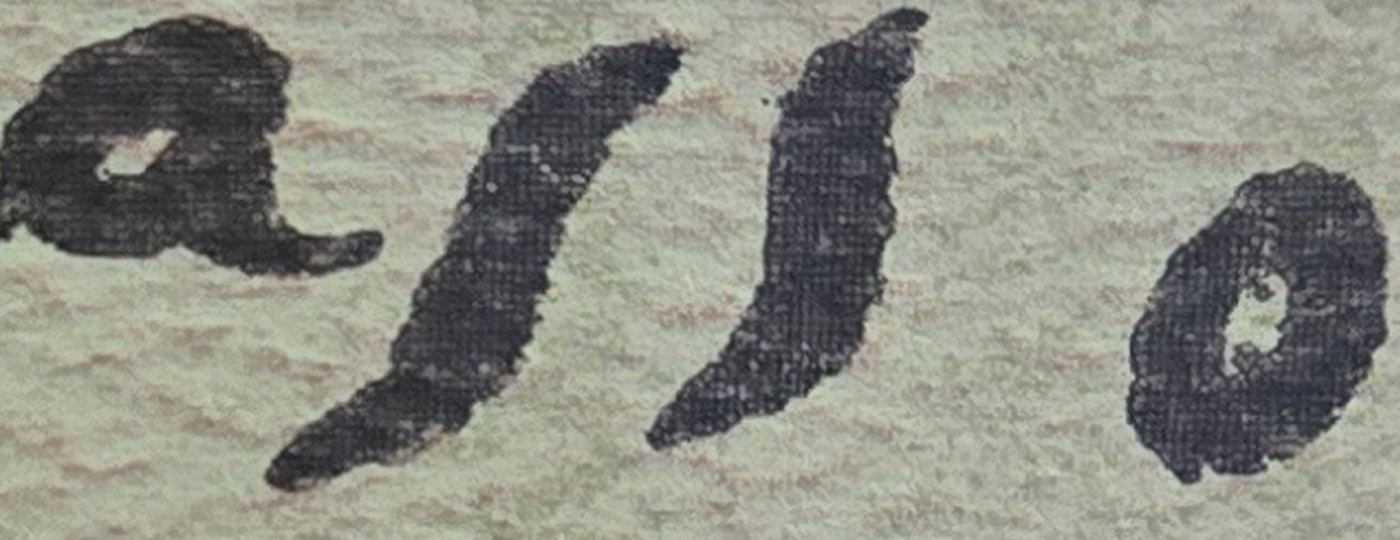
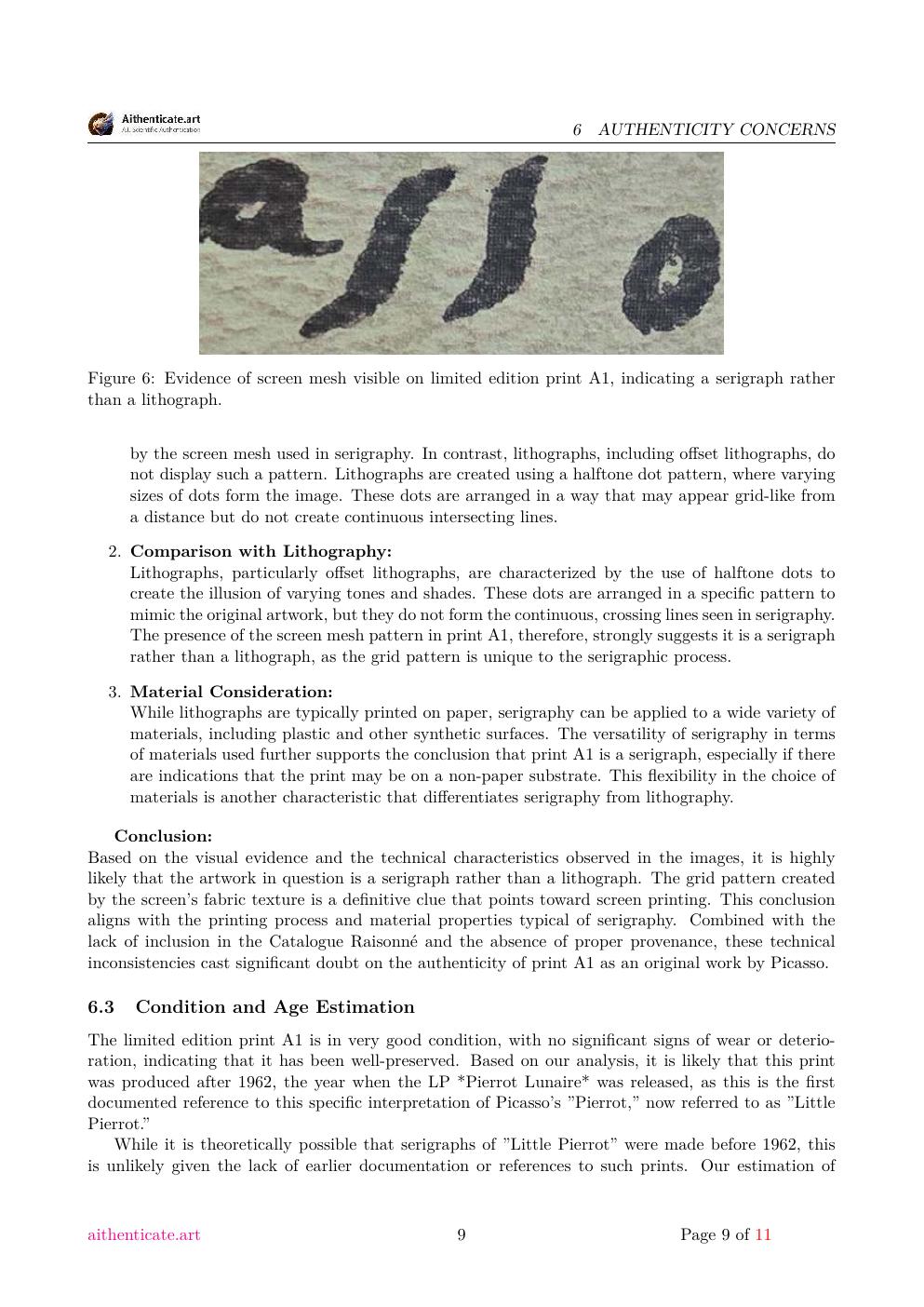
Evidence of Screen Mesh
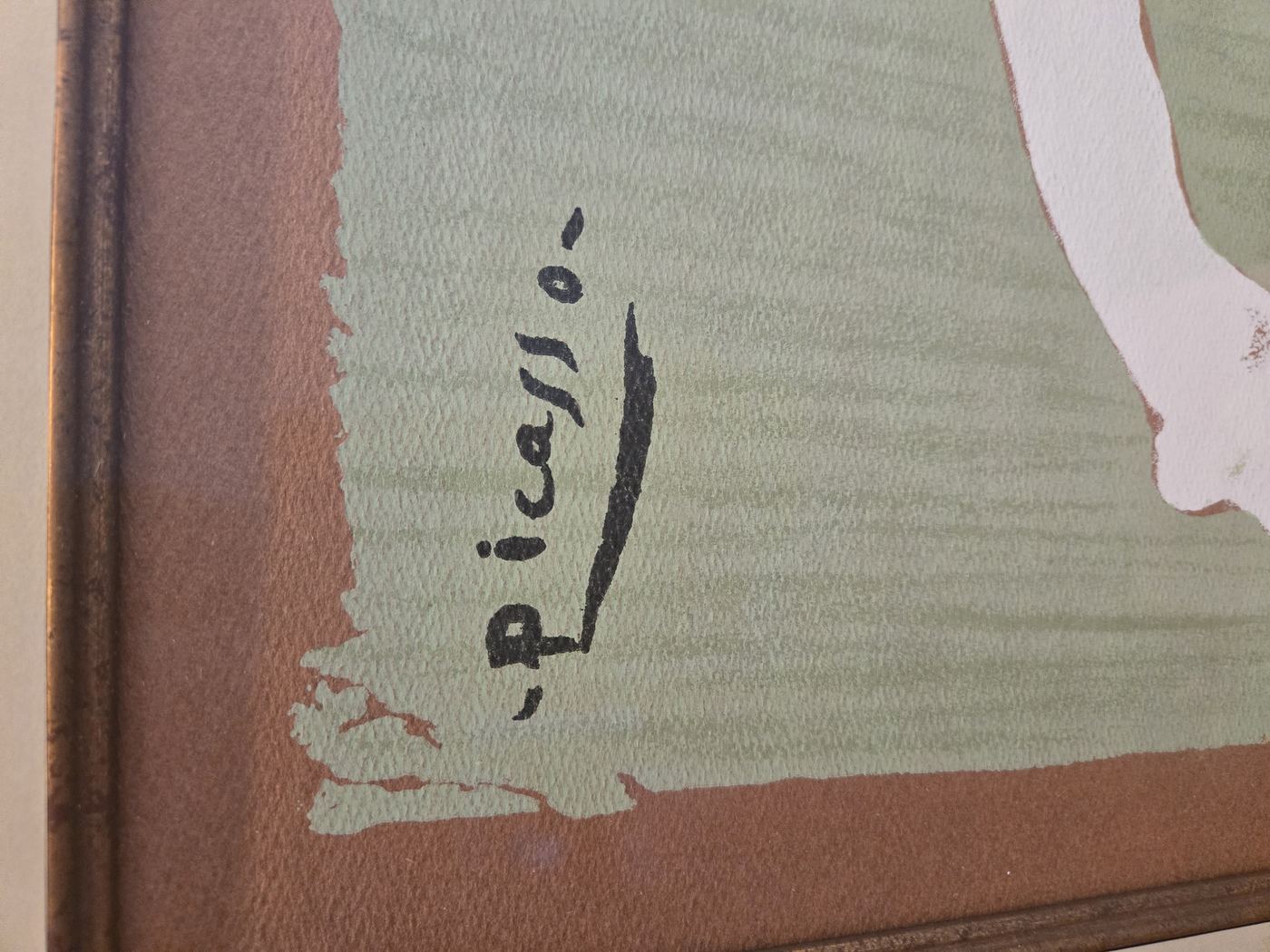
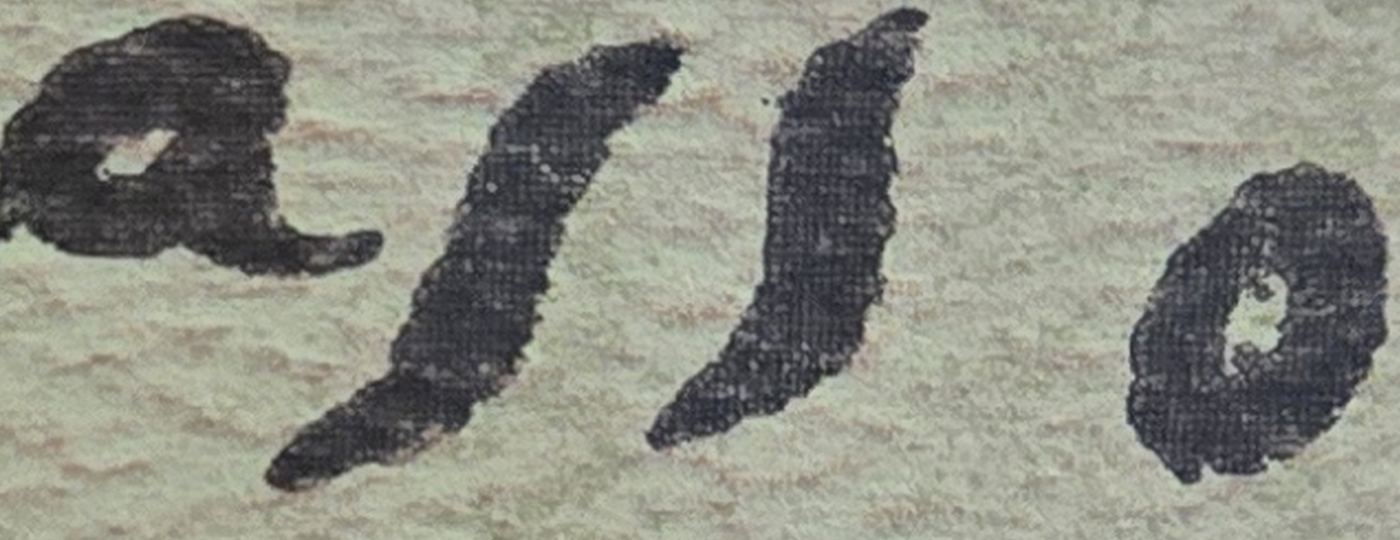
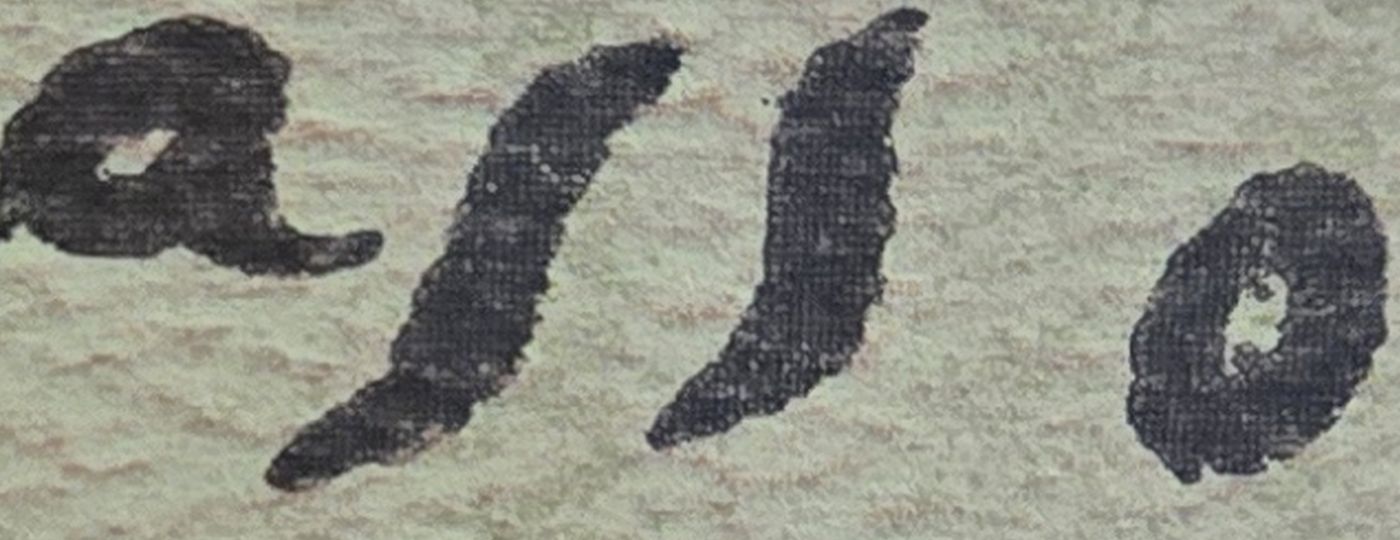
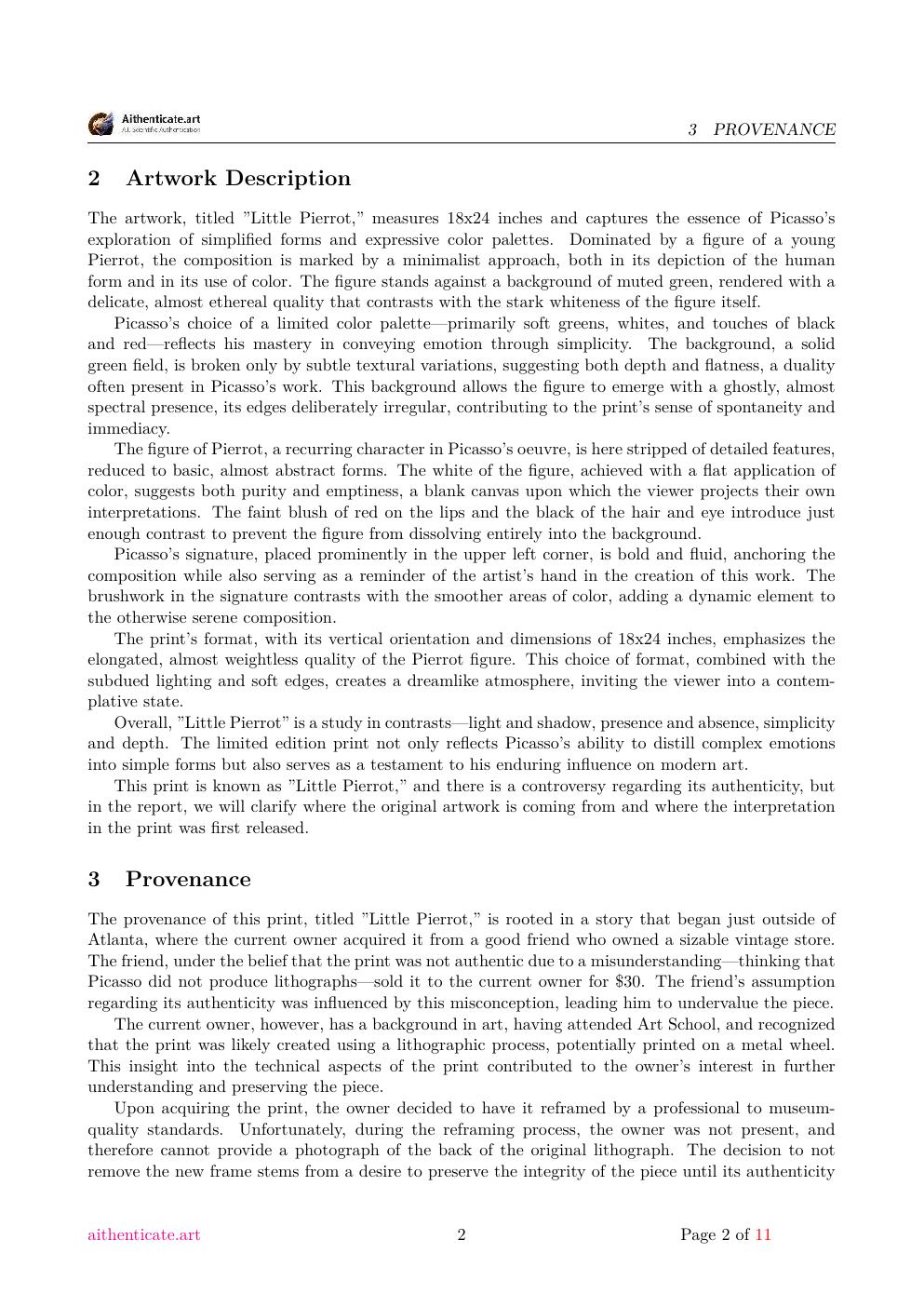
Further compounding these concerns is the evidence of a screen mesh pattern visible upon close examination of the limited edition print A1. By zooming in on the image of the top left corner of the print, as shown in Figure , we can clearly observe the presence of a screen mesh texture, a characteristic feature of serigraphy (screen printing). Evidence of screen mesh visible on limited edition print A1, indicating a serigraph rather than a lithograph.
Authentication evidence
Selected close details from the human review
"Pierrot" oil on canvas, 1901, ParisThe original inspiration for "Little Pierrot" can be traced back to Picasso's "Pierrot," an oil on canvas painting created in 1901 in Paris during a period of intense creative exploration for the artist. This work captures the melancholic of Pierrot, a recurring character in Picasso's early work, who embodies both tragedy and innocence.Evidence of Screen MeshFurther compounding these concerns is the evidence of a screen mesh pattern visible upon close examination of the limited edition print A1. By zooming in on the image of the top left corner of the print, as shown in Figure , we can clearly observe the presence of a screen mesh texture, a characteristic feature of serigraphy (screen printing).
Private authentication
Submit your artwork for a ConfirmArt review
Use this real case as a reference for the kind of evidence that can be organized in a private authentication report.
The public browser receives rendered pages, not a native PDF viewer or direct PDF URL. Public pixels can still be screen-captured; private commissioned reports remain controlled client deliverables.
QR verification
Traceable real case
This real case has a stable verification URL and source fingerprints. The QR code resolves to the public verification record for this case.
Only your email and service selection are needed to submit the request. Optional images, dimensions and notes can be added now or later.
Payment is requested only for the Authentication report. Catalogue search, advisory, restoration and local inspection requests are reviewed first so the scope can be confirmed.
Authentication is a human expert review. ConfirmArt may use AI for bounded research support such as database, image, book or provenance searches, but not as a classifier verdict.
Complete front image
Reverse, support, frame and condition details
Signature, inscriptions, labels or seals
Invoices, certificates, provenance or catalogues
Comparative images, references or previous opinions, if available