Late Qing Dynasty Bone Sculpture, Valued $40-50K
01
Description
Is this sculpture from the late Qing Dynasty?
Exquisite antique Chinese sculpture embodies rich cultural symbolism.
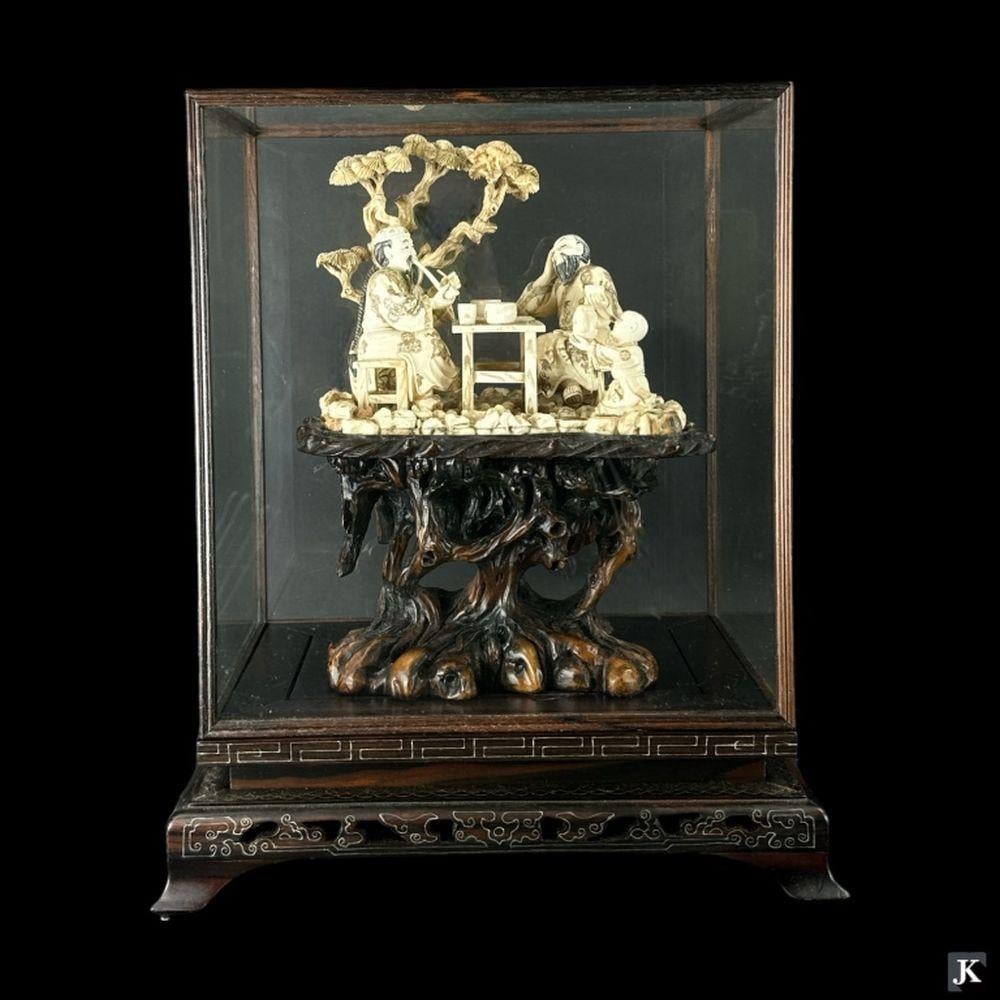
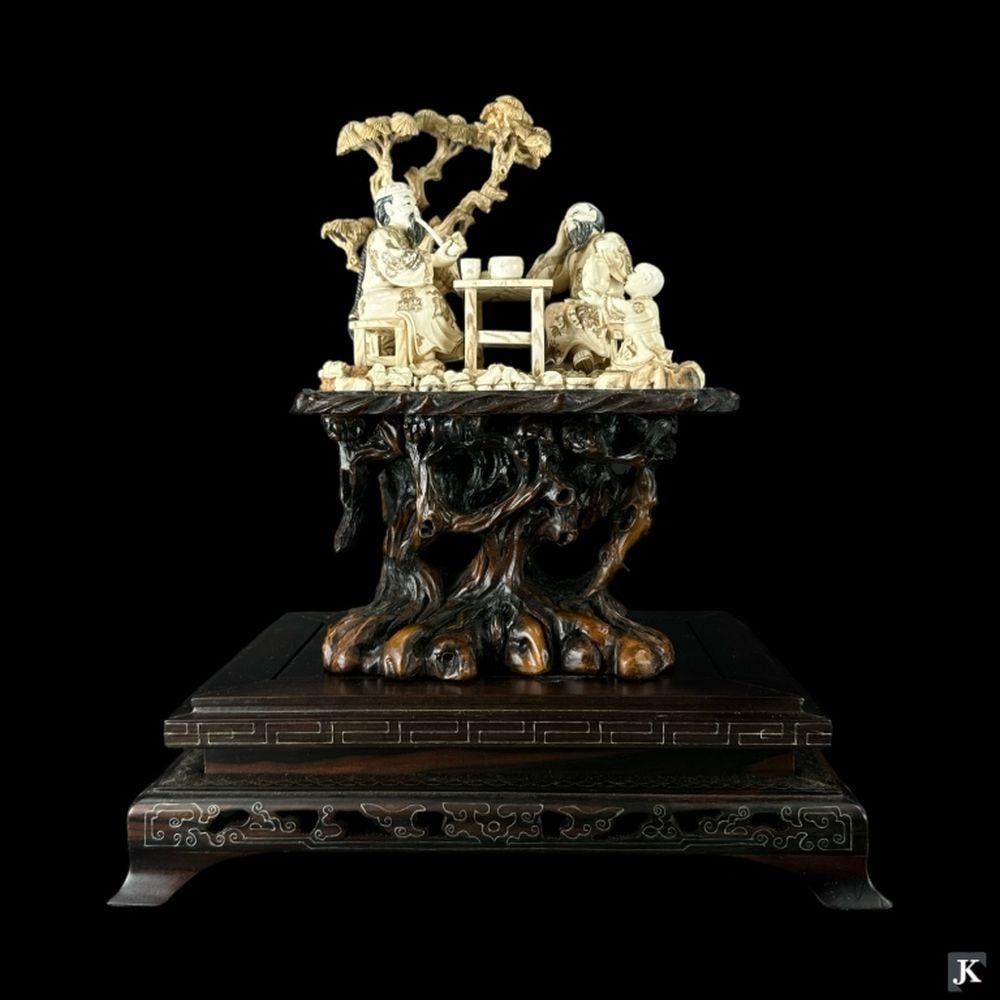
The artwork is a finely carved antique Chinese sculpture created from bone, depicting two wise men engaged in a game of Go. The sculpture sits on a wooden base, evoking balance and craftsmanship. The piece, estimated to be from the late Qing Dynasty, features intricate motifs and a red coral plaque with the artist’s signature. The sculpture’s thematic composition includes symbolic elements like the pine tree and traditional attire, reflecting cultural values. The estimated value falls between $40,000 to $50,000, considering its historical significance and conservation needs.
Provenance
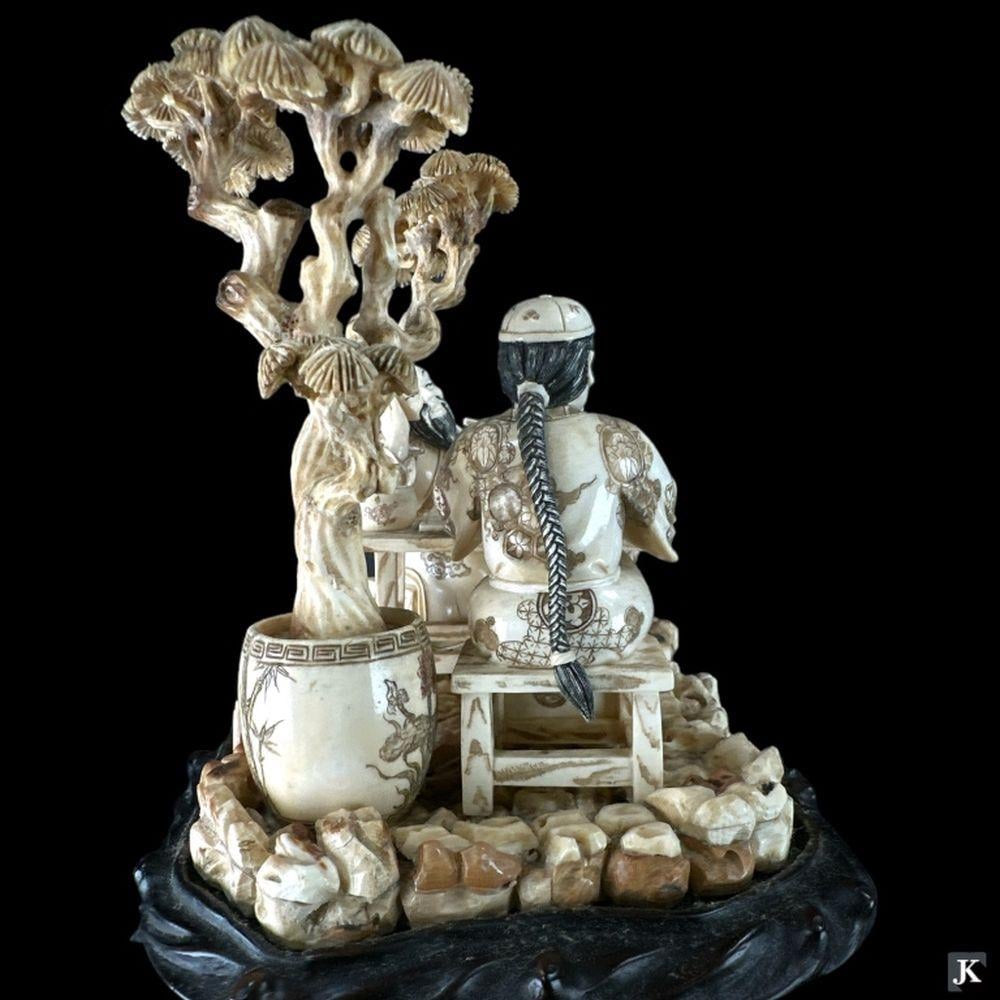
The provenance of the antique Chinese bone sculpture traces back to a recent public auction at Joshua Kodner Auctions. It was acquired from a New York gallery and displayed at the “Important Things” auction in 2024. The sculpture’s age is estimated to be between 1890 and 1911, aligning with late Qing Dynasty styles. The estimated value ranges from $40,000 to $50,000, reflecting its historical significance and artistic merit. The conservation plan emphasizes environmental control, gentle handling, and professional intervention when needed to ensure its longevity and preservation.
02
Expert’s take
Analysis
The art expert’s main point on the authenticity of the item is that it aligns with the late Qing Dynasty period, reinforcing its historical context and potential value.
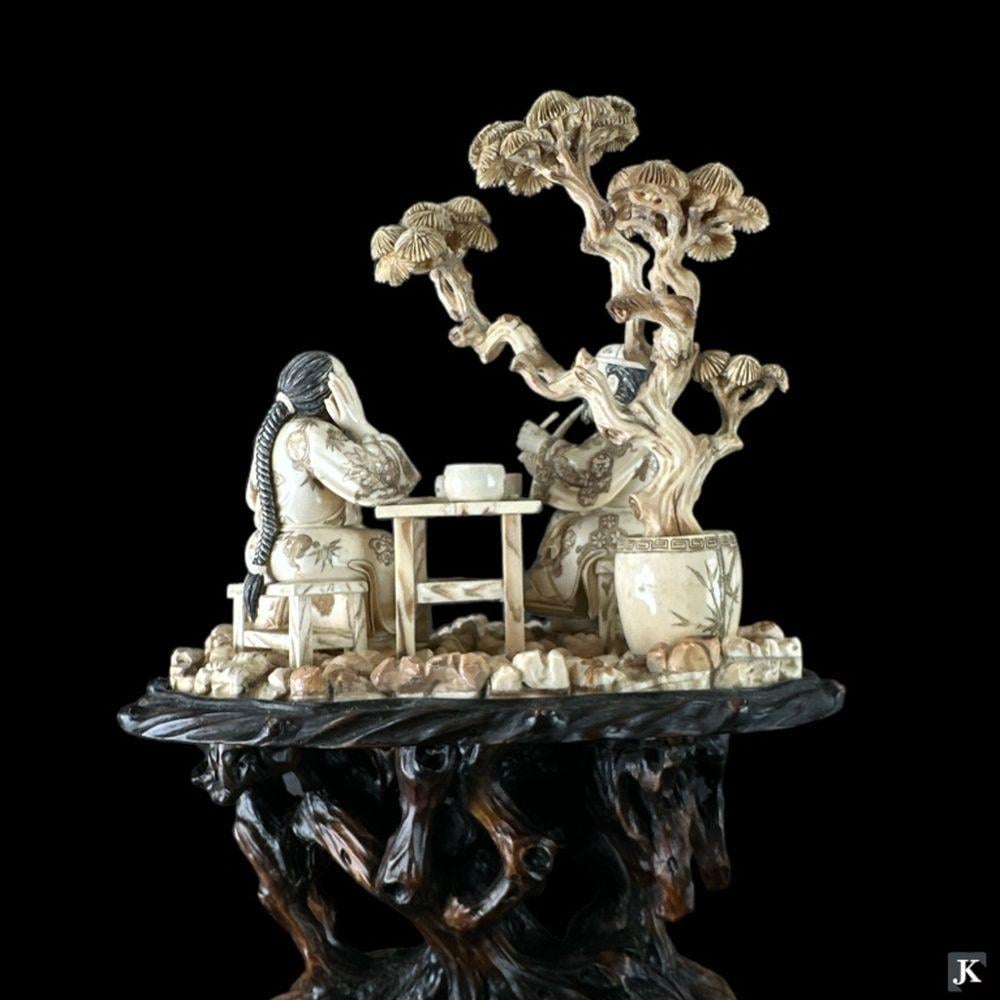
The Expert Analysis of the artwork suggests that the piece aligns stylistically with the late Qing Dynasty, estimated to be between 1890 and 1911. The use of bone, likely ox bone, and high-quality wood like Rosewood indicates traditional craftsmanship. The decorative motifs, including chrysanthemums and plum blossoms, are symbolic of this period. The Guapi Mao hat worn by one figure further supports this dating. The estimated value of the sculpture ranges from $40,000 to $50,000, considering its historical significance, artistic merit, and conservation status. The conservation plan emphasizes environmental control, gentle cleaning methods, and professional intervention for restoration. Preventative measures and display considerations are outlined to ensure the long-term preservation of this culturally rich artifact. The comparative analysis against verified authentic pieces by the artist is challenging due to the lack of identified works, enhancing the uniqueness and potential value of this sculpture.
03
A.I. Analysis
A.I. Authentication
The antique Chinese sculpture’s authenticity analysis confirms its historical significance from the late Qing Dynasty.
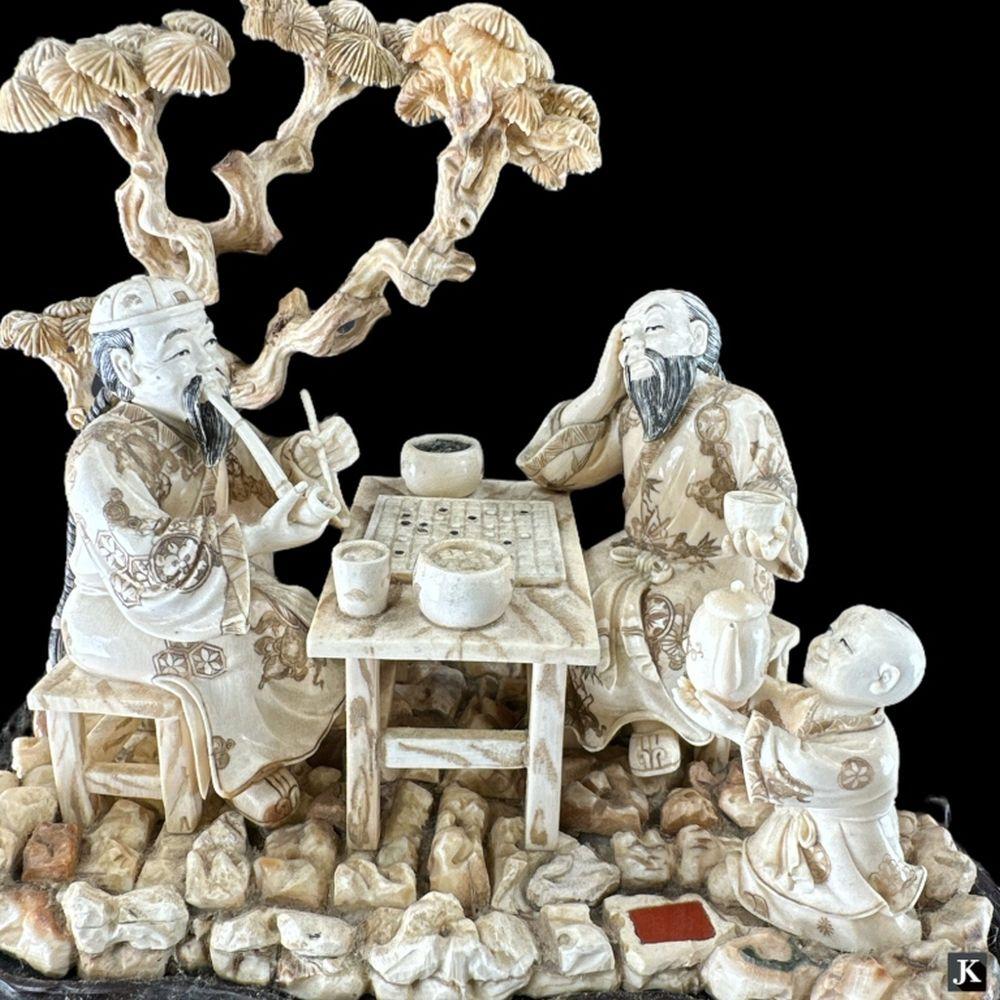
The A.I. classification analysis of the Chinese bone sculpture indicates a late 19th to early 20th-century creation. The craftsmanship aligns with late Qing Dynasty artistic trends, enhancing its historical value. The estimated age between 1890 and 1911 informs the $40,000 to $50,000 appraisal value, reflecting its cultural and artistic significance. Recommendations for conservation and restoration ensure the sculpture’s longevity and preservation of its aesthetic and historical attributes.
04
Valuation
Value Estimation
Final Appraisal Value: $40,000 to $50,000.
Read only the Value Estimation section in this report written in latex, then summarize it without exceeding 600 characters. Highlight in bold font the Final Appraisal Value or Replacement Value. Use plain text, you can include paragraph spacing.
Interested on more detail on this case? Tap on the document and see what you get when ordering our reports!
05
Order it now!
Submit an artwork
Do you want to verify and value a piece? Our simple, online form takes just four steps. All you need to begin is your email address—we’ll request any additional details via email. Get started and discover the authenticity and true value of a work of art quickly!
06
People
ConfirmArt Team
Meet the Team
Why Choose Us?
ConfirmArt offers an unique authentication and collection management service in the market, at an unmatched price per report.
- Unique Service that blends human expertise with A.I.
- Affordable Excellence: Starting at just $89, our verification and valuation services are accessible without compromising on quality.
- ConfirmArt Team: Guided by Roi S., we are experts in Art, Collection Management, A.I., and history.
- Commitment to Integrity: to ensuring the authenticity and enhancing the value of your collection.
Founder & Lead Analyst

Expert, Editor

Provenance and History.
07
FAQ
Questions?
Is it worth it to purchase a report for $99?
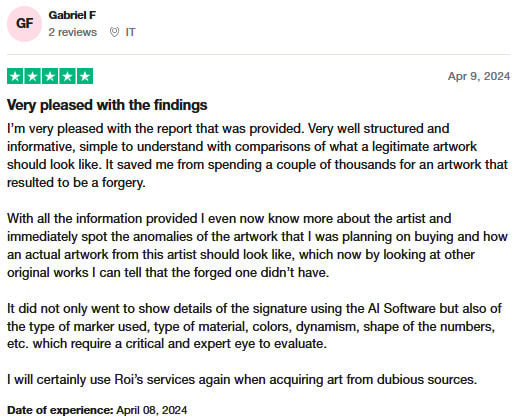
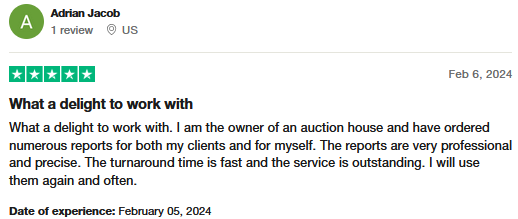
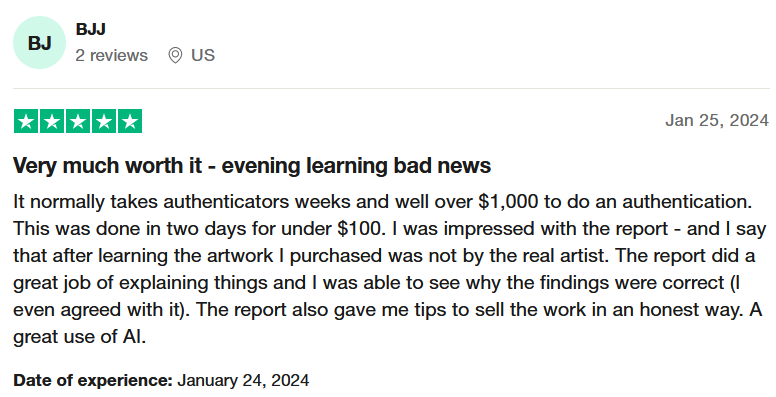
Absolutely. For just $99, you receive a comprehensive report that leverages our rigorous verification and valuation methods, which are rooted in evidence and not mere opinion. The detailed procedures we undertake are valued well over $1000 in the art appraisal industry. Regardless of whether an artwork is authenticated or identified as inauthentic, our reports provide insightful information that enhances your understanding of the piece’s value and contributes significantly to the future valuation of your collection. Our commitment to quality is reflected in the positive feedback from our customers, who appreciate learning the “why” behind our findings. You can read an example of our customer reviews here.
Do you provide advisory services for collections?
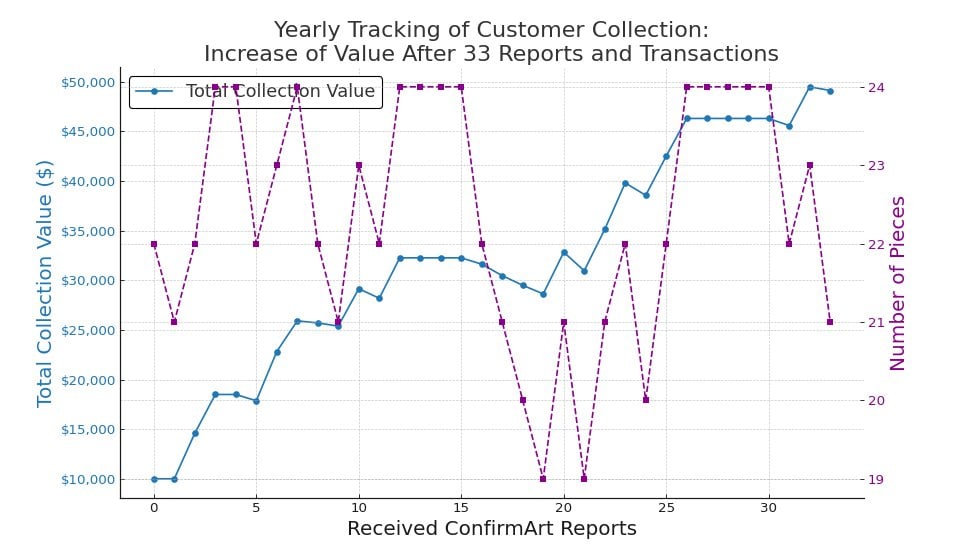
Yes. Our tailored reports offer invaluable guidance for collectors, steering them through smart acquisitions and well-timed sales to steadily increase the value of their collections. We don’t just focus on individual pieces; we consider the entire collection’s coherence and market potential. Our approach is data-driven and informed by extensive market analysis.
The chart below illustrates the success story of one of our valued clients over a year. It’s a testament to how each meticulously prepared report and advised transaction can significantly contribute to an upward trend in the overall value of a collection, all while curating an exquisite selection of art pieces. This success story showcases the power of expert validation: making informed choices leads to remarkable returns.
Is the Expert authenticity assessment accurate?
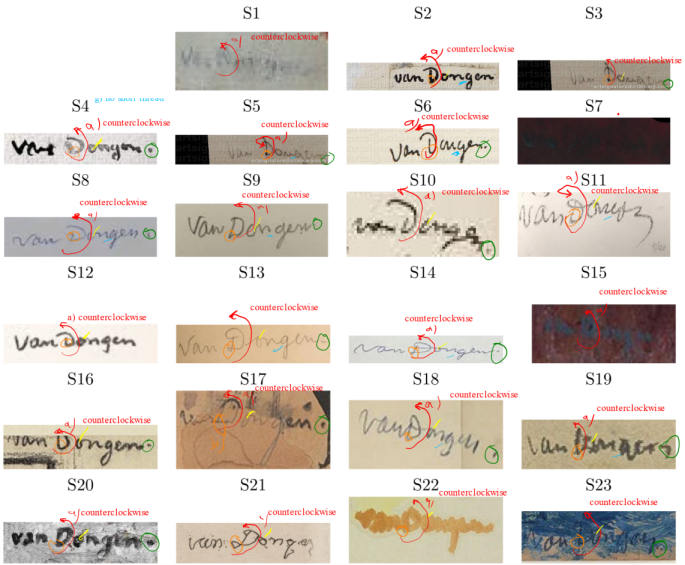
Yes, our authenticity assessment is highly accurate. It is not based on subjective opinions; instead, we provide tangible evidence to support our claims. This evidence consists of specific traits that are consistent across numerous verified authentic pieces, traits that are often missed even by the most skilled forgers. These authenticity cues—such as style, composition typical to an artist, stroke direction in autographs, characteristic signatures and monograms, and preferences for dedications in memorabilia—are derived from our extensive databases. Within this FAQ, we’ve included a selection of examples illustrating such cues that have enabled us to identify skilled forgeries, ones that were previously certified as authentic by professional curators relying solely on their subjective judgment.
How can you distinguish a signature made using an autopen from a genuine one with just a photo?
An autopen, a device designed to replicate signatures, follows a predetermined path to mimic handwriting. Despite its precision, the autopen process isn’t flawless and often leaves behind subtle clues that it has been used. Our expertise in this area comes from owning various autopen machines and extensively studying the marks they leave. We’re familiar with the specific traits of autopen signatures, such as uniform pressure, lack of natural variation in stroke, and consistent start and end points that human signatures rarely exhibit. By examining these telltale signs in high-resolution photos, our experts can effectively differentiate between autopen signatures and genuine hand-signed inscriptions.
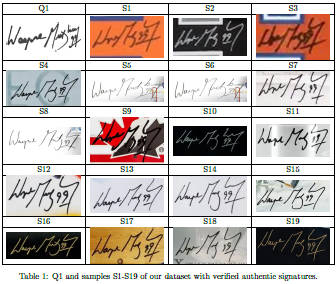
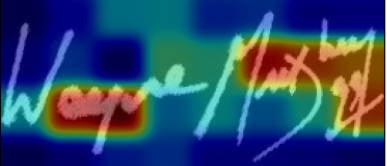
How does AI-guided authentication work, and is it reliable?
AI-guided authentication employs advanced machine learning algorithms trained on extensive datasets of authenticated items, such as signatures of notable individuals or verified artworks. The process involves optimizing the images for precise feature extraction, which is crucial for the AI to learn and recognize authentic characteristics. A control dataset, a mix of verified authentic signatures and known forgeries, is used to validate the model’s performance with a high level of accuracy. This accuracy provides strong confidence in the AI’s ability to authenticate signatures and artwork, making it a reliable tool in our appraisal process.
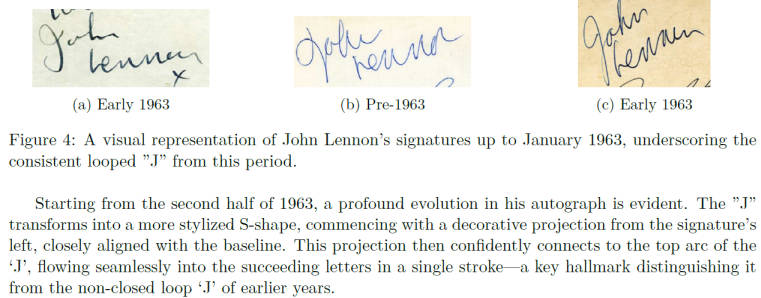
Is forensic graphology considered a pseudoscience?
General graphology, which suggests that personality traits can be discerned from handwriting, is indeed viewed with skepticism by the scientific community. However, our service utilizes forensic graphology in a much narrower and scientifically accepted sense: we focus on the authentication of signatures and handwriting by comparing them with verified samples. This branch of forensic science is widely used in legal and law enforcement settings and is based on observable, repeatable patterns. Our application of graphological analysis is evidence-based, employing rigorous standards to match handwriting characteristics with established authentic exemplars. This method is respected and utilized in forensic investigations and is not considered pseudoscience.
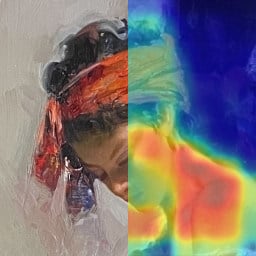
How can you determine if an artwork is a reproduction just from a photo?
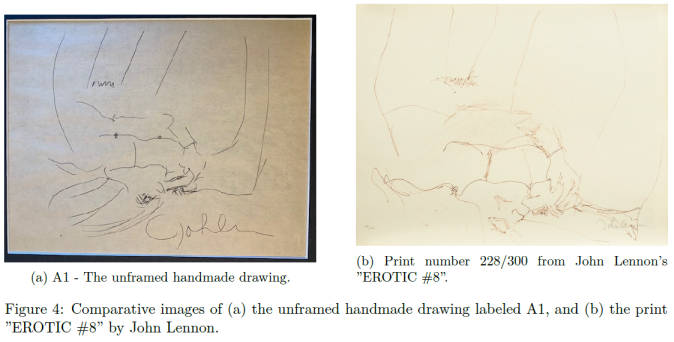
Identifying a reproduction from a photograph is a nuanced process that benefits greatly from technology. We have access to comprehensive records and databases that catalog verified original prints and their characteristics. By using these resources, we can distinguish handmade reproductions from original numbered prints by observing details that may not be perceptible to the untrained eye. Our AI-powered search tools analyze the photo, comparing it with high-resolution images of authentic works to find the closest match. These advanced algorithms look for specific markers and inconsistencies that are typical of reproductions, allowing us to deliver reliable results based on extensive data and sophisticated technology.
Where do you source the images of verified authentic samples for comparison?
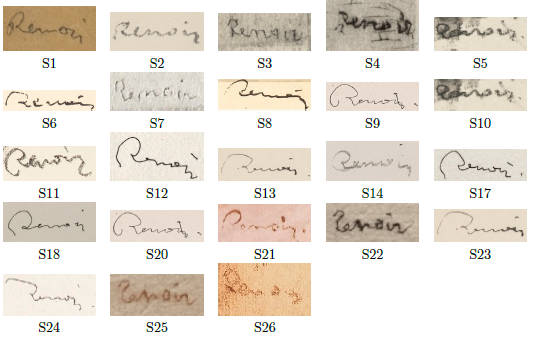
Our collection of verified authentic samples for comparison comes from a variety of reputable and authoritative sources. These sources ensure that our comparisons are based on the most accurate and reliable images available, giving you confidence in our authentication process. This includes:
- Private Image Databases: We access high-quality, proprietary databases that are often costly and exclusive, ensuring we have a broad selection of authenticated images to use for comparison.
- Catalogue Raisonné: These comprehensive, annotated listings provide documented and photographed works of artists and are an invaluable resource for authentication purposes.
- Museum Collaborations: We partner with museums and other cultural institutions, which allows us to compare artworks and signatures against their vast collections of authenticated pieces.
- Auction Houses: We also obtain verified samples from past auction catalogs, where artworks and autographs have been authenticated by experts.
Do you issue Certificates of Authenticity?
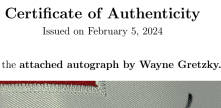
Our Complete Report serves as a comprehensive Certificate of Authenticity (COA) and goes beyond by offering evidence-based conclusions, not merely opinions. The report itself is a detailed document that substantiates the authenticity of your piece with concrete findings.
However, should you require a traditional COA for marketing or other purposes, we are pleased to provide one. This certificate will be signed by Roi S., PhD, and will reference the detailed findings in your Complete Report. This formal COA, also numbered and with a unique hologram, can be requested when your artwork receives an AUTHENTIC verdict based on our rigorous examination process.
Do your appraisals comply with international standards?
Yes, our appraisals rigorously adhere to internationally recognized standards, ensuring that our evaluations are both accurate and ethically responsible. We align our practices with the AIC (American Institute for Conservation) Code of Ethics, and we follow the guidelines set by the Uniform Standards of Professional Appraisal Practice (USPAP). Our methods also comply with SWGDOC and ANSI/ASB Standard 35.
08
Clients



and hundreds of pre-purchase inspections for items at sale at:





Click the image below to read our customer experiences from our sister page aithenticate.art